African Big Cats Safaris

12-Day The Great African Birding Safari

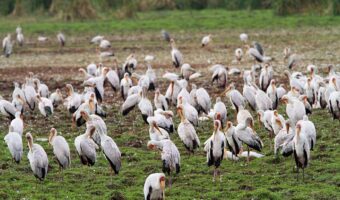
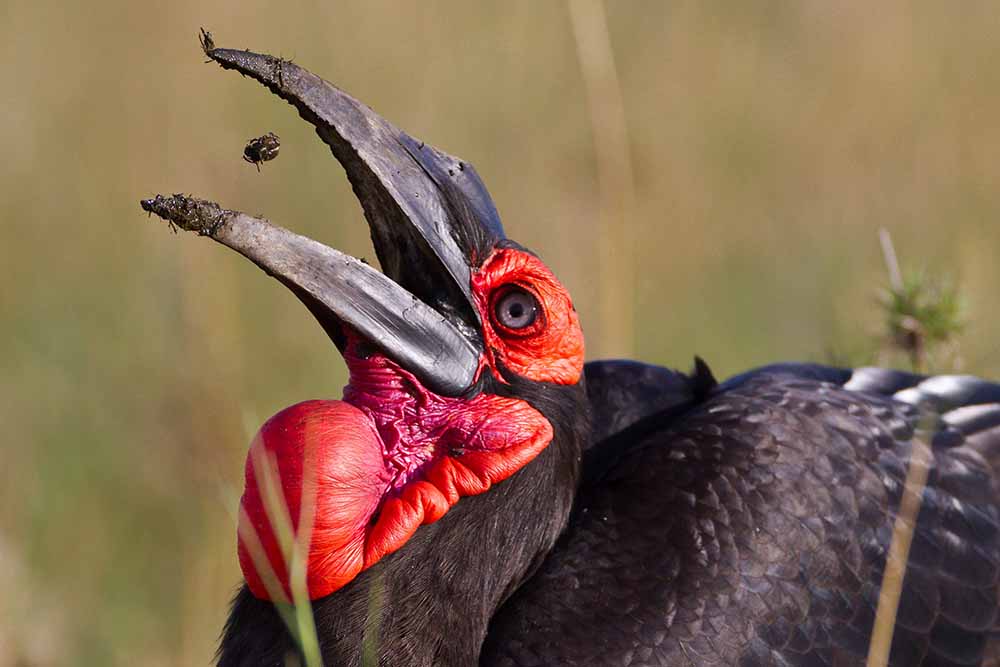
Experience the incredible diversity of Tanzania’s birdlife on this immersive 12-day bird watching safari, exploring an exceptional variety of habitats including montane forests, freshwater lakes, acacia woodlands, open savannahs, seasonal wetlands, and the vast plains of the Serengeti ecosystem.

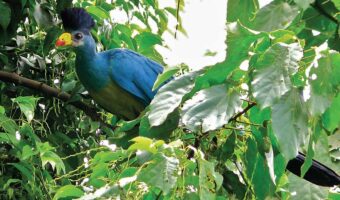
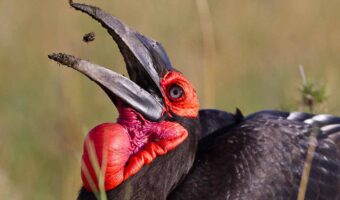
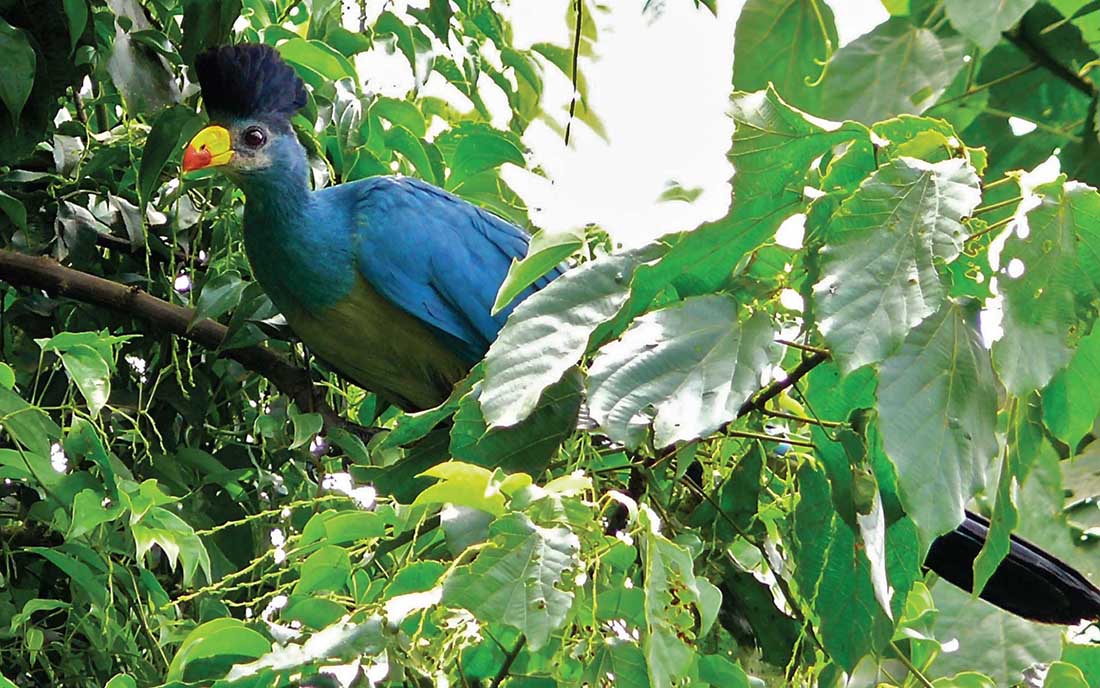
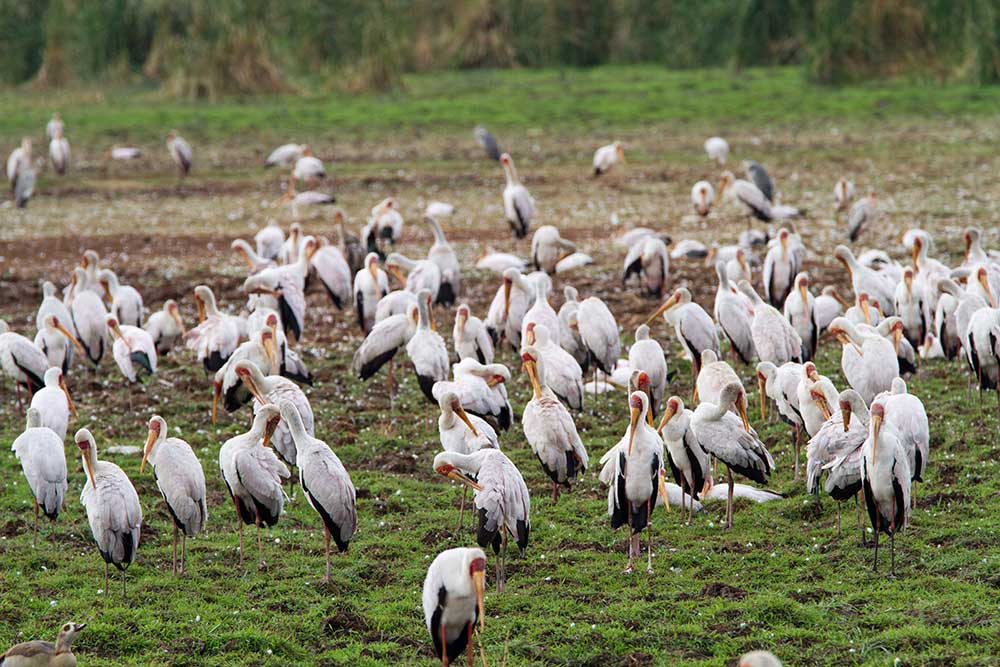
The safari offers outstanding birding opportunities in Arusha National Park, Mkomazi National Park, Tarangire National Park, the Southern Serengeti, and Central Serengeti , each hosting unique resident and migratory species. From colorful bee-eaters, kingfishers, hornbills, and turacos to impressive raptors, waterbirds, and dry-country specialists, bird enthusiasts can expect to encounter hundreds of species in some of East Africa’s most breathtaking landscapes.

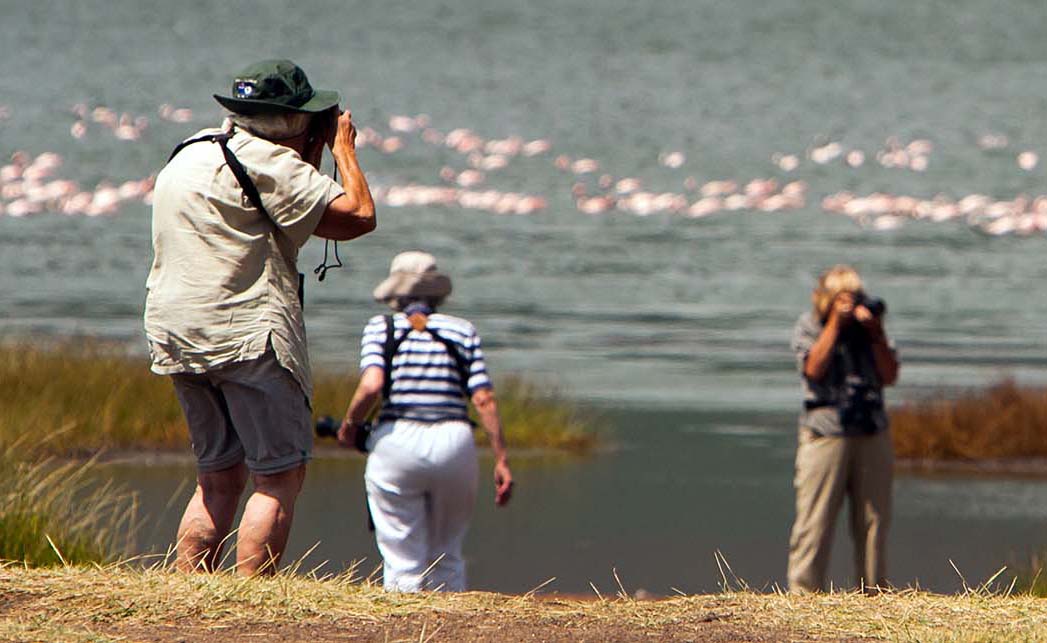
Led by experienced birding guides and complemented by comfortable accommodations, this safari combines world-class bird watching with spectacular scenery and abundant wildlife. Whether you are an avid birder, photographer, or nature lover, this journey offers an unforgettable opportunity to experience Tanzania’s rich avian heritage in its natural environment.
Detailed Epic Bird Watching Safari Itinerary

airport1

DAY 1: Arrival at the airport

After arrival at the airport (Kilimanjaro / Arusha), your private driver guide will pick you up at the airport and transfer you to your accommodation for overnight awaiting for your safari departure on the following day.

Accommodation

Pink Flamingo Lodge

Meal Plan

Bed & Breakfast
lion

DAY 2-3: Mkomazi National Park

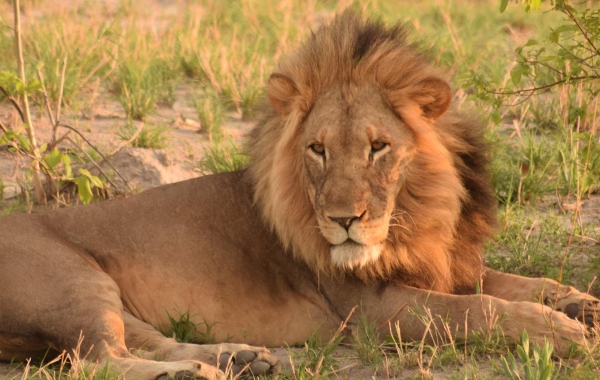
Early morning after breakfast you will be picked up by your private safari guide and head to Mkomazi National park. As you approach Mkomazi National Park, you will be greeted by stunning views of the Usambara and Pare mountain ranges in the distance. Mkomazi National Park stands out from all other national parks as it has a black rhinoceros’ sanctuary and also a captive-breeding program for the African wild dog. Seeing these two unique endangered species is a once-in-a-million adventure together with other species such as giraffe, eland, hartebeest, zebra, buffalo, Lion, elephant and the long-necked gerenuk.

The Mkomazi Rhino Sanctuary has attained international renown for rehabilitating rhino, and it offers viewing and educational opportunities for visitors. Mkomazi is also fascinating destination for bird watchers, boasting more than 450 avian species including some Eurasian migratory species. The home to the Martial Eagle, Ostrich, Weaver, Kori Dustard and other common bird species

Walking safari: Walking in Mkomazi gives visitors an opportunity to go bird watching and walk around the beautiful Park around Dindira or Long walk starting from Zange area, the park’s HQ to the Babus area. Safari activity in Mkomazi allows you to get up close and personal with animals and Africa nature. You will be escorted by a knowledgeable armed park ranger who will guide you and protect you from Hazardous creatures.

You will spend 2 nights in this incredible place

Accommodation

Mkomazi Wilderness Retreat

Meal Plan

Breakfast, Lunch & dinner
fly

DAY 4: Arusha National Park

In the morning, you will be collected from your hotel  and take you to the Arusha National Park. The park has an incredible variety of fauna and flora, which cannot fail to impress. Hollywood also chose this region to film the movie “Hatari” in which Hardy Kruger starred alongside the legendary John Wayne.

At the Momella Gate, an armed ranger will be waiting for you to accompany you on your walking safari that will give you the chance to experience the wildlife up-close. Only a few other national parks in Tanzania give you such an opportunity and it is something that should not be missed.

Your day trip will include a visit to the Ngurdoto Crater. Buffaloes, waterbucks, giraffes, warthogs, zebras and baboons can be seen all year round as well as many different bird species. The park is also known for the black & white colubus monkey and the word colobus id described from a greek word meaning “Thumb” since the monkey has no thumb and it is good at tree climbing and jumping from branch to branch.

Only a few other national parks in Tanzania give you such an opportunity and it is something that should not be missed. Lunch will be taken at a picnic place and in the afternoon, you will continue your tour in the safari vehicle through the Arusha National Park.

After plenty of time allocated for you to observe the wildlife, we will take you back to Arusha.

Accommodation

Mount Meru Game Lodge

Meal Plan

Breakfast, Lunch & dinner
lion

DAY 5: Arusha to Tarangire National Park

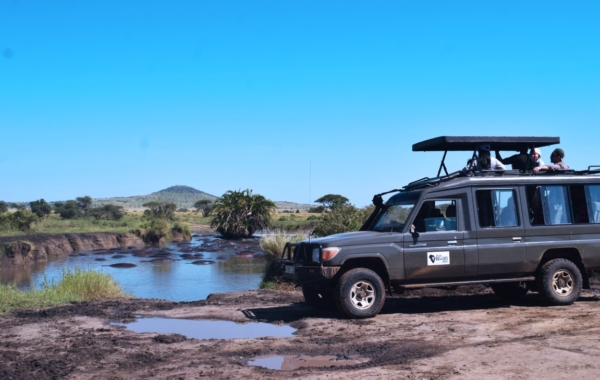
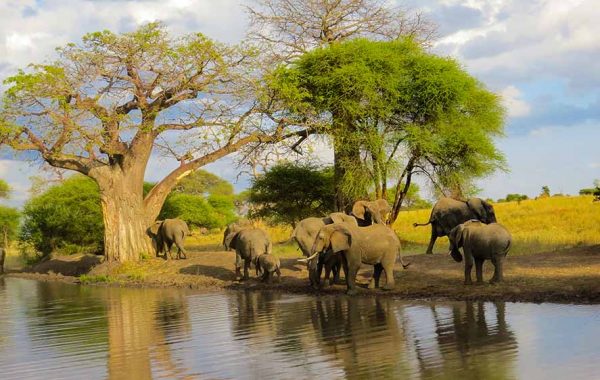
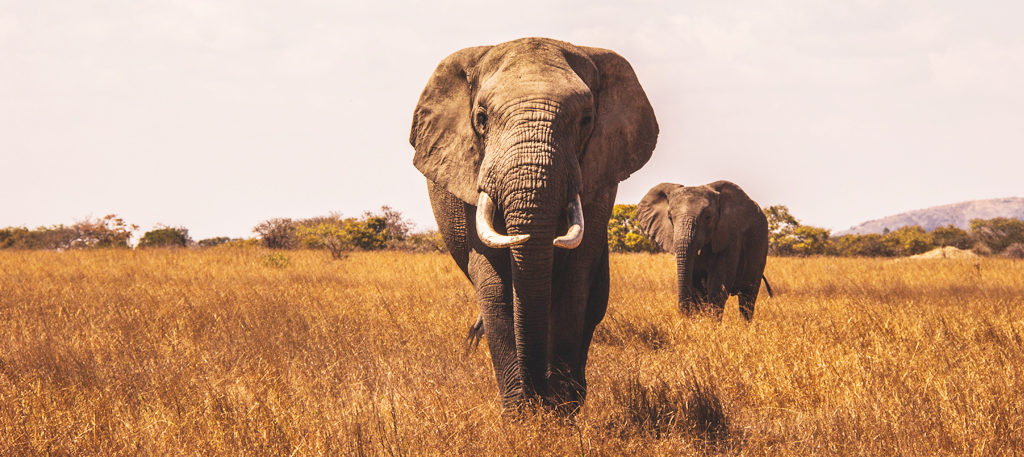
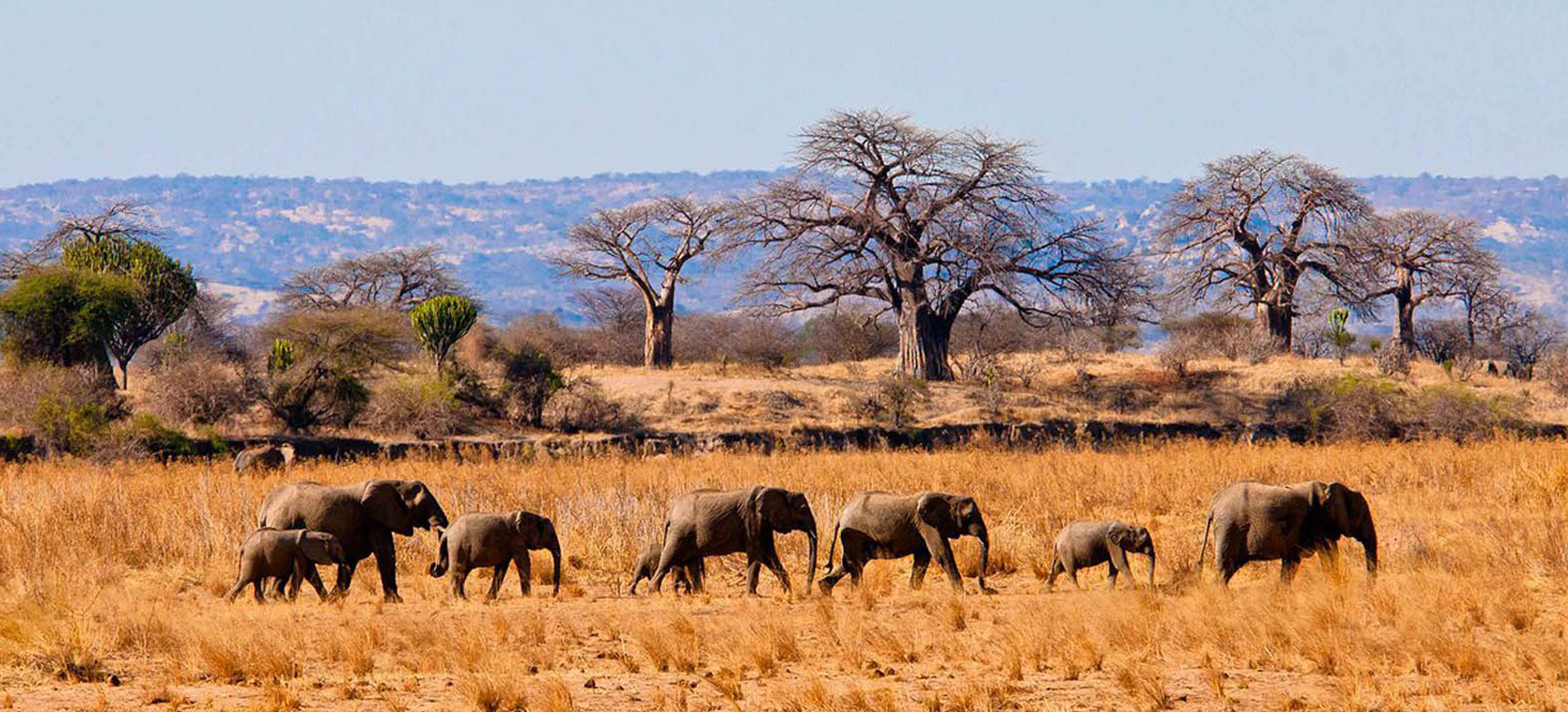
Early morning after breakfast, we depart to Tarangire National Park. The Park is named after the Tarangire River which runs through it.  This ‘river of warthogs’ is the only source of water for wildlife in the region during the dry season. In places, the vegetation is quite dense, including elephant grass, acacia woodlands and lush groundwater forest. The Park is well known for its elephant families, which can often be seen congregating by the river. You may also see giraffe, bushbuck and hartebeest. These animals are closely followed by a range of predators, including lions and leopards. There are more breeding species of birds found in Tarangire National Park than anywhere else on the planet!

After Lunch and an extensive game drive, we head for our Tented partner lodges for dinner and overnight.

Accommodation

Tarangire Sopa Lodge

Meal Plan

Breakfast, Lunch, Dinner
lion

DAY 6: Tarangire National Park

Early after breakfast you will depart to Tarangire where you will enjoy full day game drive. With more chance of witnessing what you didn’t see the previous day you will visit the most remote areas of Tarangire National Park including Silale swamps. The Silale Swamps attract hundreds of elephants who come to feed on the lush grass, but it is not just the elephants that come here. A mix of animals in all shapes and sizes can be spotted at Silale Swamps – including cats! It is a great place to see the famous tree climbing lions of Tarangire as well as leopards. To add to the collection, the Silale Swamps are also known as a great place to see huge African Rock Pythons.

After Lunch and an extensive game drive, we head back for our accommodation for dinner and overnight.

Accommodation

Tarangire Sopa Lodge

Meal Plan

Breakfast, Lunch, Dinner
fly

DAY 7: South Serengeti National Park (Ndutu area) – Bird Watching Paradise

After breakfast, we journey towards the far south of Serengeti National Park into the spectacular Ndutu area, which lies within the Ngorongoro Conservation Area—a vital part of the southern Serengeti ecosystem.

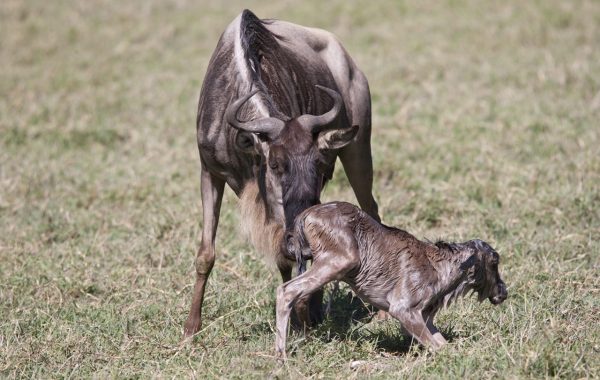
Ndutu is not only famous for the annual wildebeest calving season, but it is also a birdwatcher’s paradise, home to over 400 bird species. The region features a rich variety of habitats: seasonal alkaline lakes, acacia woodlands, open plains, and swamps—creating ideal conditions for birdlife.

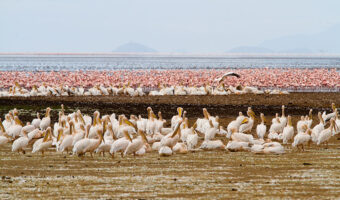
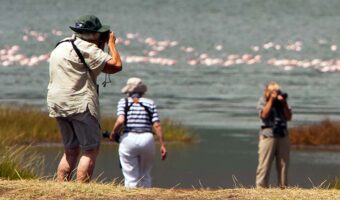
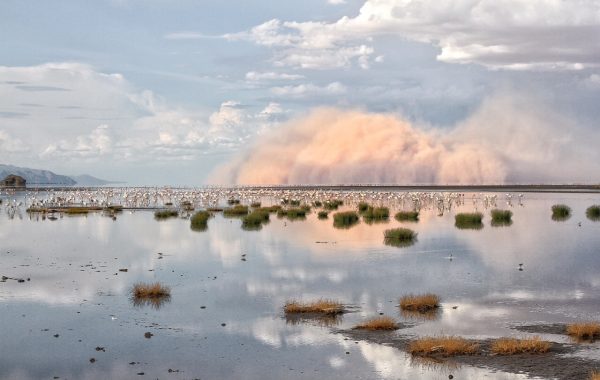
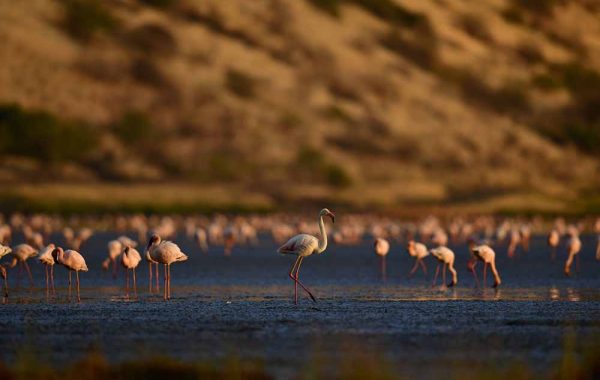
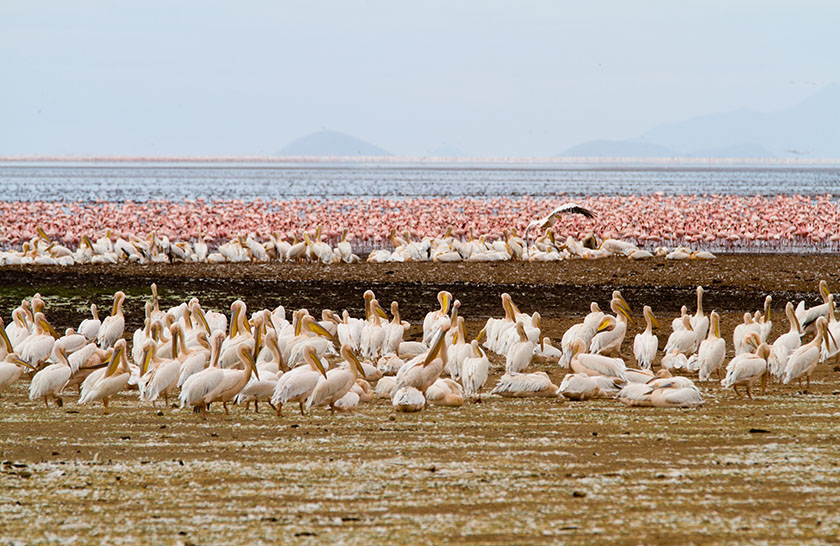
Lake Ndutu, with its alkaline waters, attracts large flocks of flamingos, stilts, avocets, and plovers. The woodlands around the lake shelter species such as the Bare-faced Go-away-bird, Silverbird, and the striking Lilac-breasted Roller. Raptors are also common—look out for Martial Eagles, Bateleurs, and Secretary Birds patrolling the skies and grasslands.

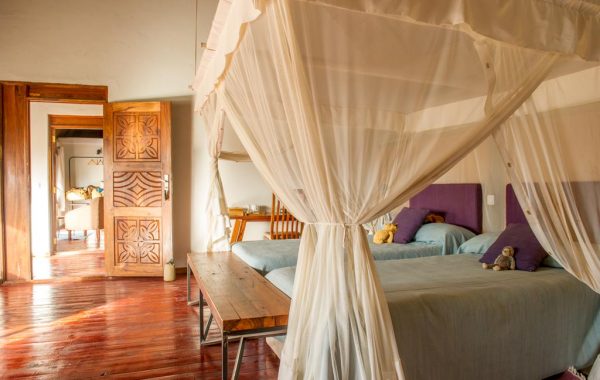
After lunch and an extensive game drive focused on both big game and bird sightings, we head to our luxury tented lodge for dinner and overnight.

Accommodation

Ndutu Safari Lodge

Meal Plan

Breakfast, Lunch, Dinner
fly

DAY 8: Ndutu Southern Serengeti

After an early breakfast, we continue with our game drive across the Ndutu plains, taking time to slow down and explore the diverse avian life of the region.

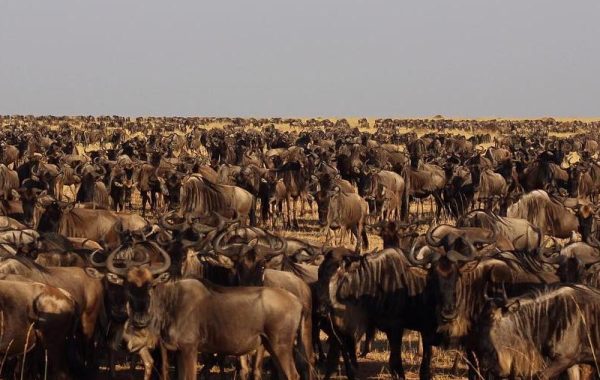
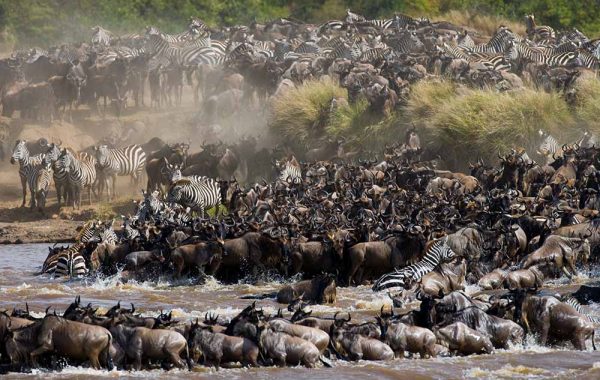
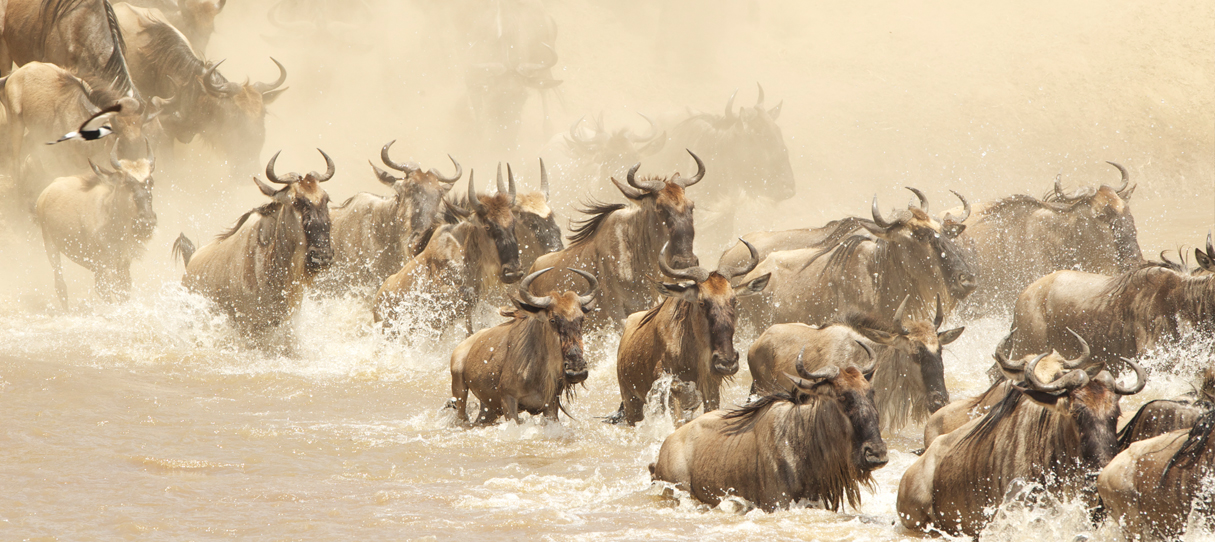
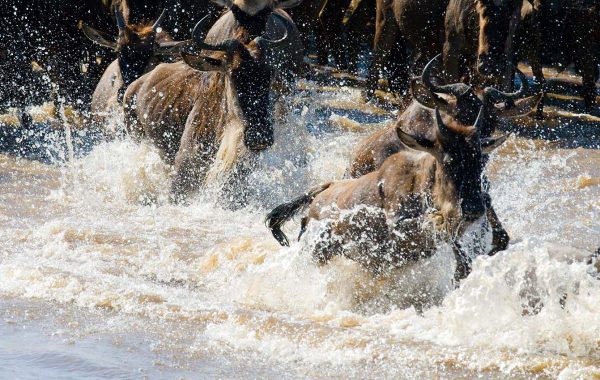
The Ndutu area comes alive during the calving season, and while the spectacle of over 8,000 wildebeest births per day is dramatic, the skies and bushes are just as busy. During this season, many migratory birds are also present, making it an exceptional time for both novice and experienced birders.

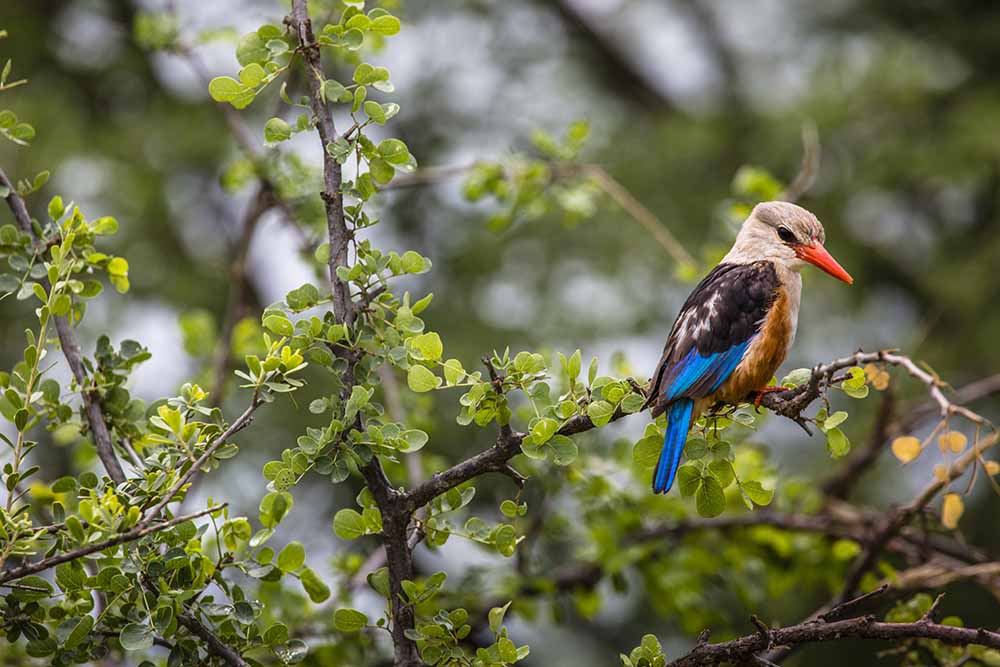
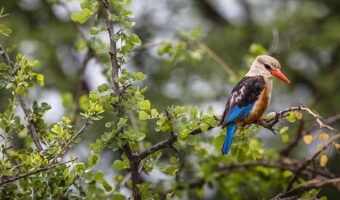
Expect sightings of colorful species like the Fischer’s Lovebird, Grey-headed Kingfisher, Yellow-throated Sandgrouse, and Chestnut-bellied Sandgrouse. Keep an eye on the trees for the elusive Pearl-spotted Owlet and the melodic White-browed Coucal. The grasslands and lakesides attract Kori Bustards, Crowned Lapwings, and groups of helmeted guineafowl moving between shrubs.

The day’s focus is on a balanced experience—soaking in the calving drama while appreciating the beauty and diversity of birdlife that flourishes in this season.

After a full day’s exploration, we return to our tented lodge for dinner and overnight.

Accommodation

Ndutu Safari Lodge

Meal Plan

Breakfast, Lunch, Dinner
migration

DAY 9: Central Serengeti National Park ( Game Drive & Birdwatching Adventure)

After an early breakfast, we make our way to the iconic Central Serengeti, a region world-renowned for its rich wildlife and exceptional birdlife.

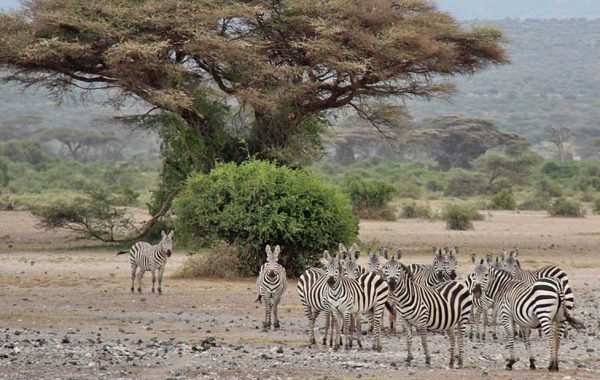
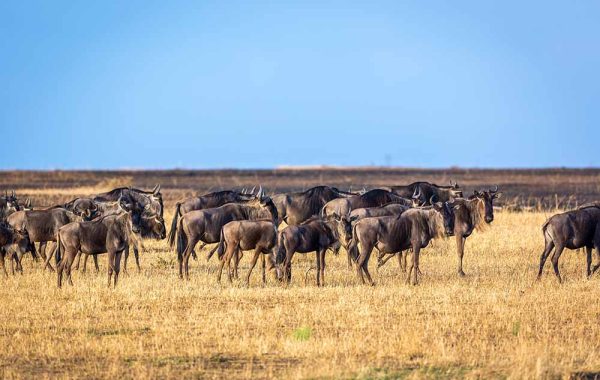
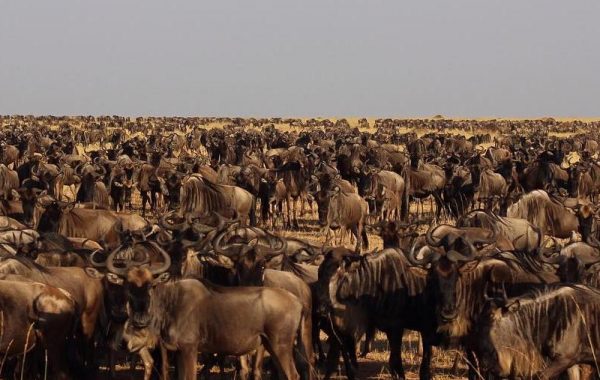
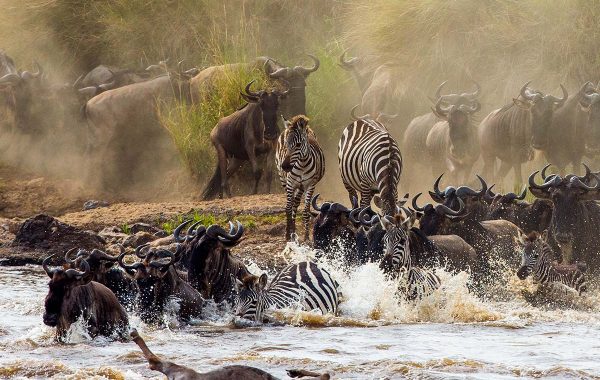
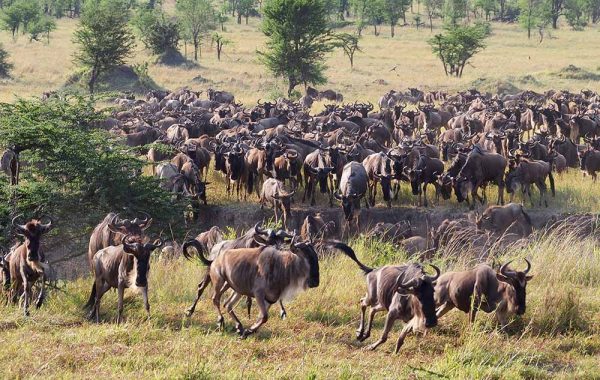
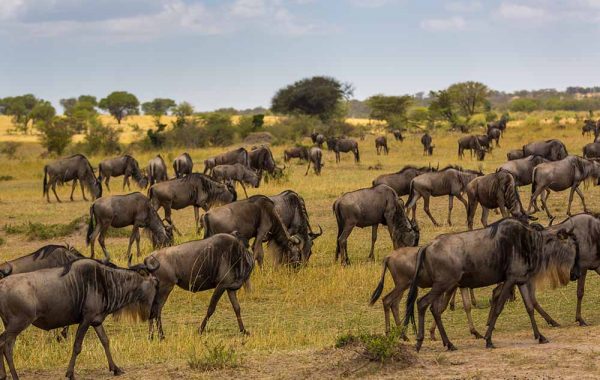
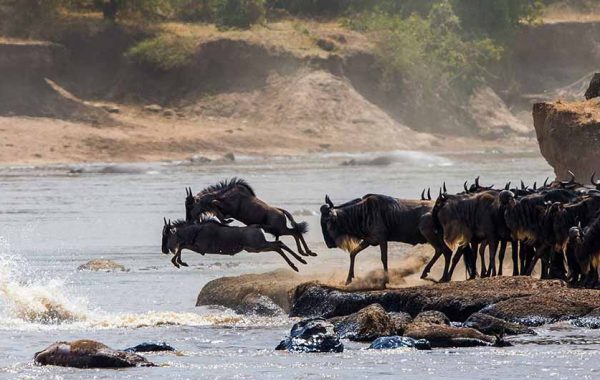
Famous for its vast open plains, the Serengeti offers sweeping views ideal for spotting big game such as lions, elephants, buffaloes, and the endless herds of wildebeest and zebras. This region is also the heart of the Great Migration during certain times of the year.

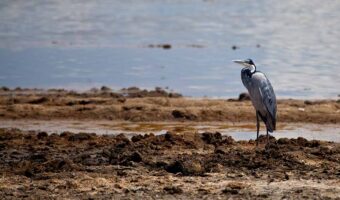
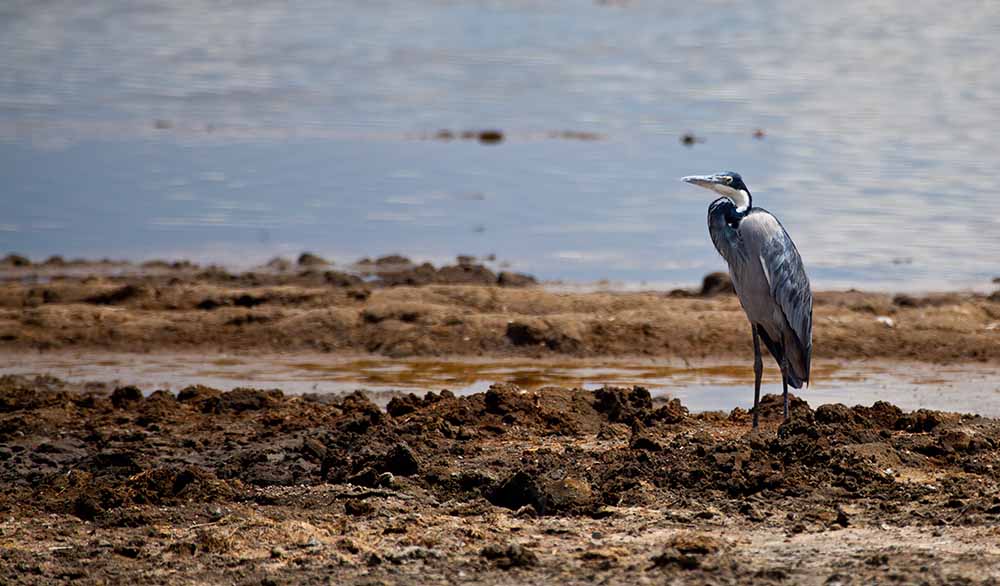
However, for bird lovers, Central Serengeti is a hidden gem. The Seronera River Valley in particular supports a wealth of bird species thanks to its mix of woodland, grassland, and riverine habitats. Expect to spot superb starlings, African hoopoes, and Red-cheeked cordon-bleus fluttering through the bush. The riverbanks attract kingfishers, herons, and the majestic Fish Eagle. You may even hear the unmistakable call of the Coqui Francolin or see the colorful Yellow-throated Longclaw walking through the grasses.

After lunch, enjoy an extended game and birding drive, pausing often for both big game sightings and avian highlights. Keep your binoculars ready—you never know what gem may appear on a tree branch or above the horizon.

In the evening, arrive at your tented camp for a relaxing dinner under the Serengeti stars.

Accommodation

Embalakai Tented Camp

Meal Plan

Breakfast, Lunch and Dinner
migration

DAY 10: Serengeti National Park ( Seronera Valley Game Viewing & Birdwatching).

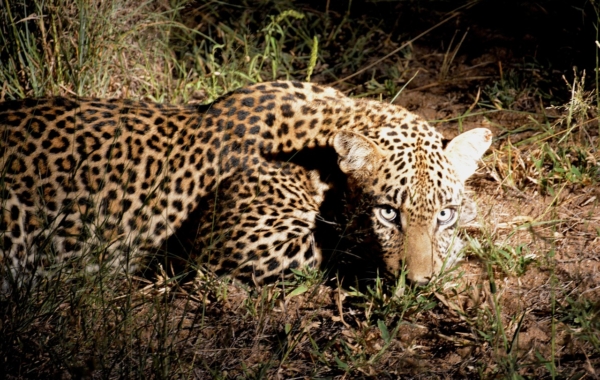
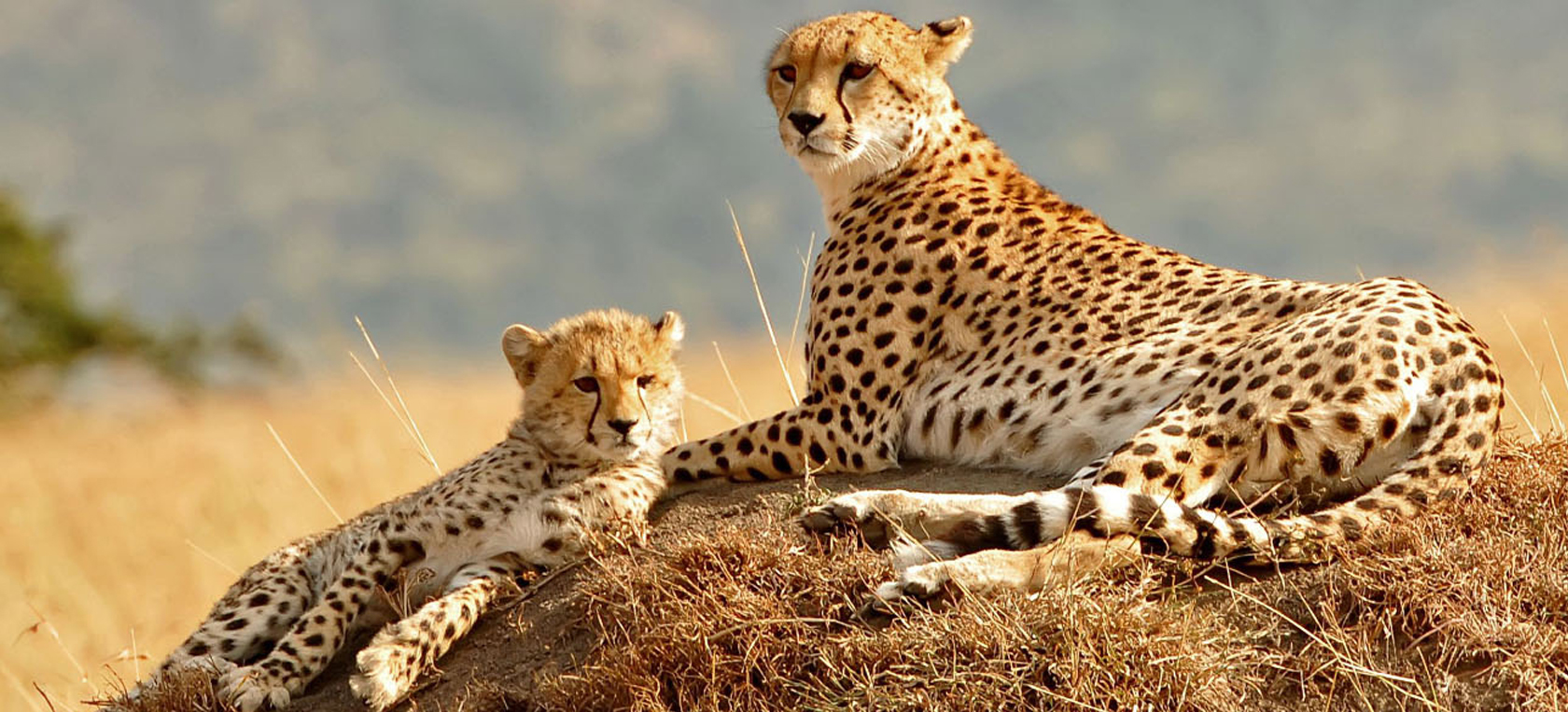
After breakfast, set off on another thrilling game drive in the Seronera region of Serengeti National Park. This central area is known as the predator capital of the Serengeti, and for good reason—lions, cheetahs, hyenas, and even the elusive leopards are frequently seen, especially around the rocky kopjes and along the river.

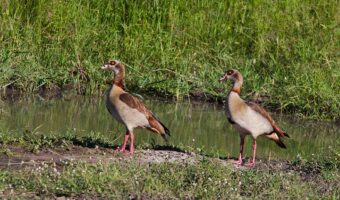
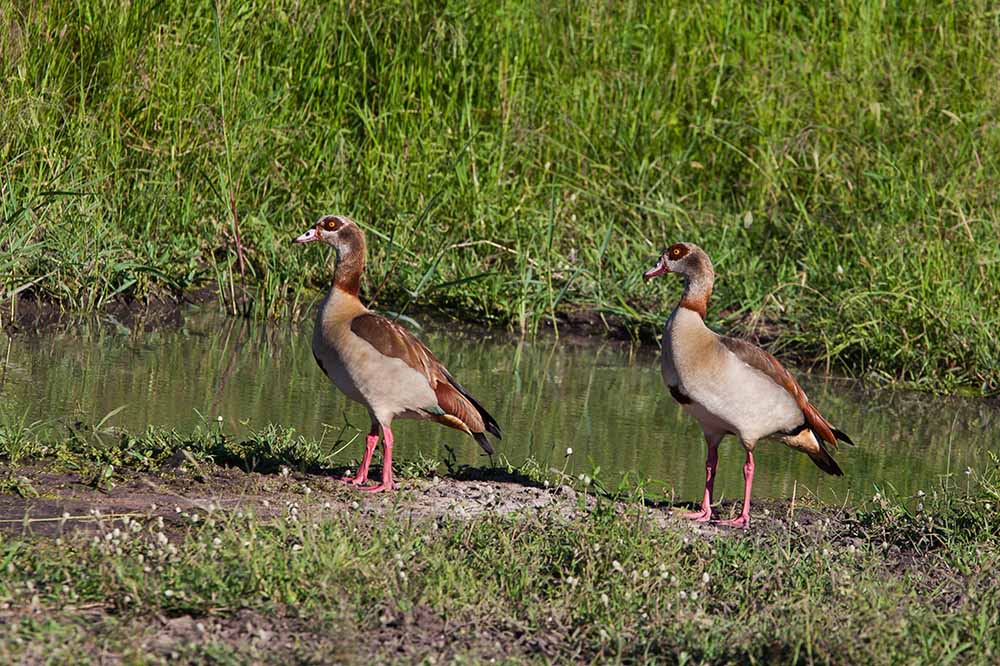
As your eyes scan the plains for wildlife, don’t forget to look to the skies and trees—the birdlife here is rich and colorful. The tall acacia trees may reveal Grey Kestrels, Eastern Chanting Goshawks, or the elegant African Grey Hornbill. Open areas are often alive with Kori Bustards, Secretary Birds, and Northern White-crowned Shrikes. The presence of water draws in saddle-billed storks, black-winged stilts, and flocks of Egyptian geese.

With the help of your experienced guide, you’ll gain a deeper understanding of how the ecosystem supports such diversity, making the Serengeti not just a big game destination, but a birdwatcher’s paradise as well.

After a full day of immersive wildlife and bird experiences, return to your tented camp for dinner and overnight.

Accommodation

Embalakai Tented Camp

Meal Plan

Breakfast, Lunch and Dinner
migration

DAY 11: Serengeti National Park to Ngorongoro crater

Early morning after breakfast, we continue with our en-route drive inside the Serengeti National Park before we depart to Ngorongoro crater. When you first see Ngorongoro Crater, it looks like a forgotten world.  Concealed by the steep volcanic walls is a pristine wilderness including sweeping savannah, pockets of acacia woodland and glistening lakes and swamps.  The Crater was created when a large volcano exploded and collapsed in on itself two to three million years ago. It is famous for both its geological delights and for being a natural reserve which is home to some of the densest large mammal populations in the whole of the African continent. The drive down the into the Crater is an adventure in itself and when you reach the Crater floor, you quickly find yourself amongst large numbers of wildebeest, zebra, gazelle, and more than 500 bird species. The Crater provides you with the best chance of seeing the endangered black rhino, which can sometimes be spotted in the open grasslands.

After Lunch and an extensive game drive inside the crater, we head for our luxury partner camp inside the park for dinner and overnight.

Accommodation

Ngorongoro Lions Paw Camp

Meal Plan

Breakfast, Lunch, Dinner
fly

DAY 12: Onwards Travel

After Breakfast at your accommodation, we head back to Arusha where we will arrive in time to catch your flight from either Arusha or Kilimanjaro Airport which marks the end of our epic adventure.

Accommodation

N/A

Meal Plan

Breakfast & Lunch

If you liked our 12-Day Epic Bird Watching Safari Through Mkomazi & Beyond, you might also like our 12 Days High End North Migration Safari (Tarangire, Ngorongoro, Serengeti).

End of Epic Bird Watching Safari Itinerary

COST FOR 2026/2027

NUMBER OF PAX 2 PAX 3 PAX 4 PAX
  7,120 6,905 6,210

What’s included?

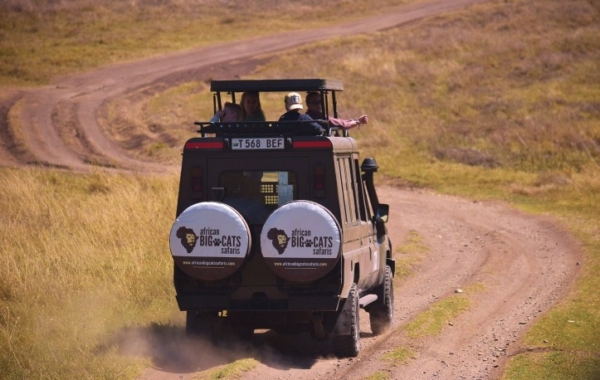
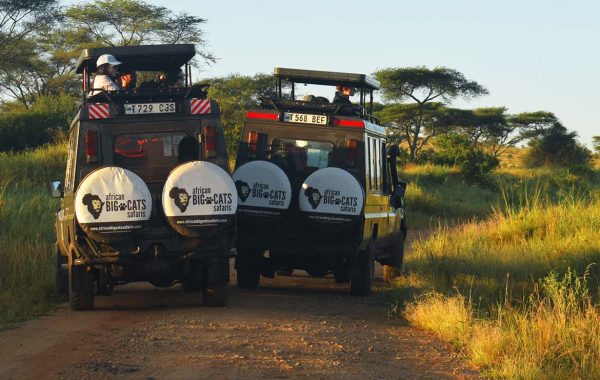
  • All nights’ accommodation, Private Safari Guide, Private Land Cruiser 4 x 4
  • All Park Fees, All Government Tax, AMREF (Flying Doctors Insurance),
  • Unlimited Drinking Water, Tea and Coffee inside safari vehicle
  • First aid Kit
  • Pair of Binocular

What’s not included?

  • Things of personal nature
  • Tips/gratitude
  • Soft & Alcoholic drinks at accommodations marked as all inclusive
  • Visa
  • International Flights
  • Travel Insurance

    Enquire about this tour
    You might also like