

June 8, 2026 By Bigcats Comments are Off Africa, mandatory, Safari, staff, tipping, trek
Our Safari Tipping Guide explains everything about how tipping works and what is considered appropriate during your African safari.
Tipping your Safari Guide
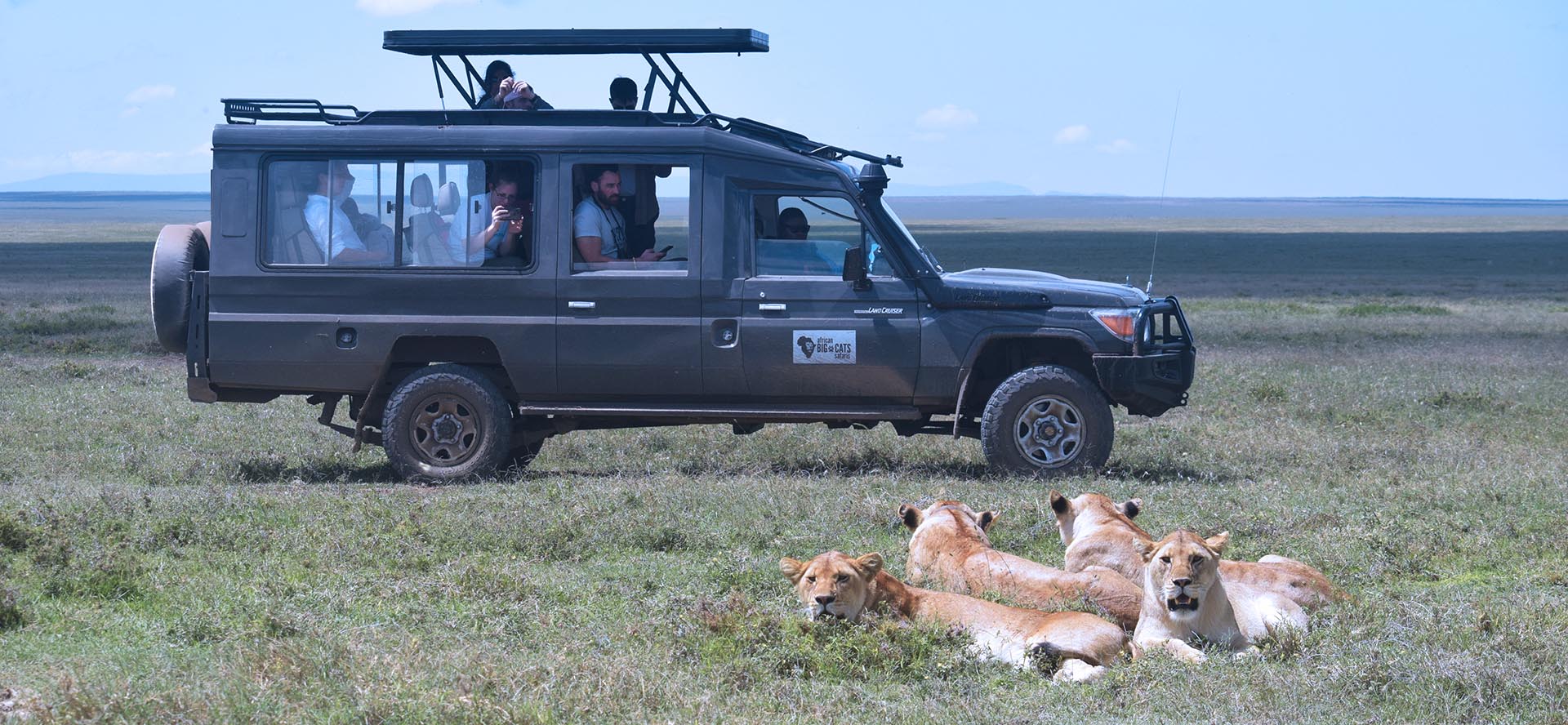
Your safari guide often plays the most important role in shaping your overall experience. In many cases, guides become educators, wildlife experts, drivers, problem-solvers, and hosts throughout the journey.
An experienced guide can transform an ordinary game drive into an extraordinary wildlife experience. Their ability to interpret animal behavior, locate elusive species, and position vehicles for the best viewing opportunities significantly enhances the quality of your safari.
Most travelers choose to tip their guide at the conclusion of the safari. The amount generally depends on the duration of the trip, the level of service provided, and personal satisfaction. Because guides carry considerable responsibility throughout the journey, they typically receive the largest share of gratuities.
Tipping Lodge and Camp Staff
Luxury safari lodges and tented camps rely on teams of dedicated staff members who work behind the scenes to ensure guests enjoy a comfortable stay.
Housekeeping staff maintain accommodations, chefs prepare meals, waiters provide attentive service, and maintenance teams keep facilities operating smoothly in remote environments. Every member of the team contributes to the overall safari experience.
Many safari lodges use communal tipping boxes that allow guests to leave a single contribution. Management then distributes the funds fairly among staff members. This system offers a simple and transparent way to recognize the entire team rather than tipping individuals separately.
Tipping During Mountain Treks and Expeditions
Travelers participating in trekking adventures such as Mount Kilimanjaro, Mount Meru, or other mountain expeditions should understand that tipping plays an important role in these experiences.
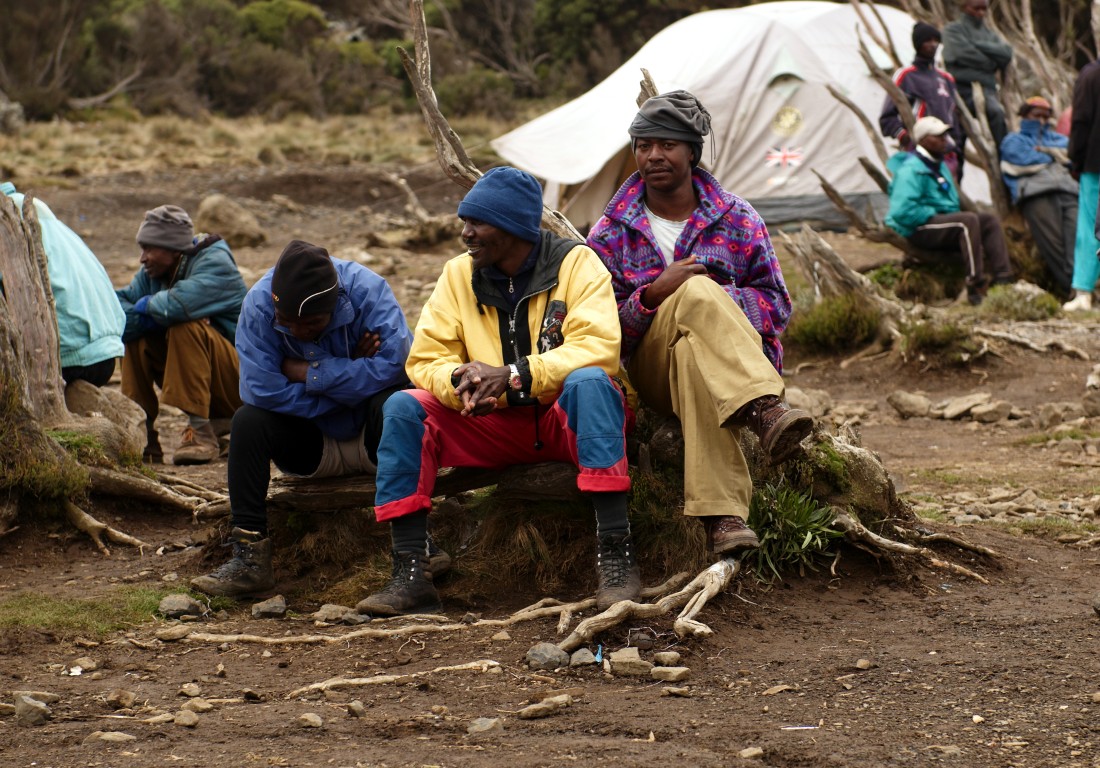
Mountain crews often carry equipment, transport supplies, prepare meals, establish camps, and provide essential support throughout the trek. Their dedication helps ensure both safety and comfort under challenging conditions.
Porters, assistant guides, cooks, and support staff frequently work long hours in difficult terrain. As a result, many climbers choose to recognize their efforts through gratuities at the conclusion of the expedition.
Should You Carry Cash for Tips?
Cash remains the most practical and widely accepted method for tipping throughout East Africa.
Many travelers prefer to carry small denominations of United States Dollars because they are commonly accepted across safari destinations. Local currencies may also be suitable in certain situations, depending on the country and location.
Carrying smaller notes makes it easier to provide gratuities during your journey and helps avoid the challenge of finding change in remote areas.
Is Tipping Mandatory on Safari?
No. Tipping is never mandatory.
Guests should view gratuities as a personal expression of appreciation rather than an obligation. Most safari professionals take great pride in delivering outstanding service regardless of whether a tip is received.
However, when travelers choose to recognize excellent service, the gesture is genuinely appreciated. For many tourism workers, gratuities provide valuable supplemental income and serve as recognition for their dedication and professionalism.
Safari Tipping Guide Is Ultimately About Gratitude
At its core, tipping reflects gratitude.
A safari becomes memorable not only because of the wildlife you encounter but also because of the people who help create those experiences. The guide who spots a leopard hidden in a tree, the camp staff who welcome you after a long day in the bush, and the chef who prepares dinner under the African sky all contribute to the journey.
These individuals help transform a vacation into an experience that remains with you long after you return home.
Our Luxury Safari programs




Travel East Africa with Confidence using our Safari Tipping Guide
Undeniably, understanding safari tipping etiquette allows you to focus on what truly matters: enjoying the adventure.
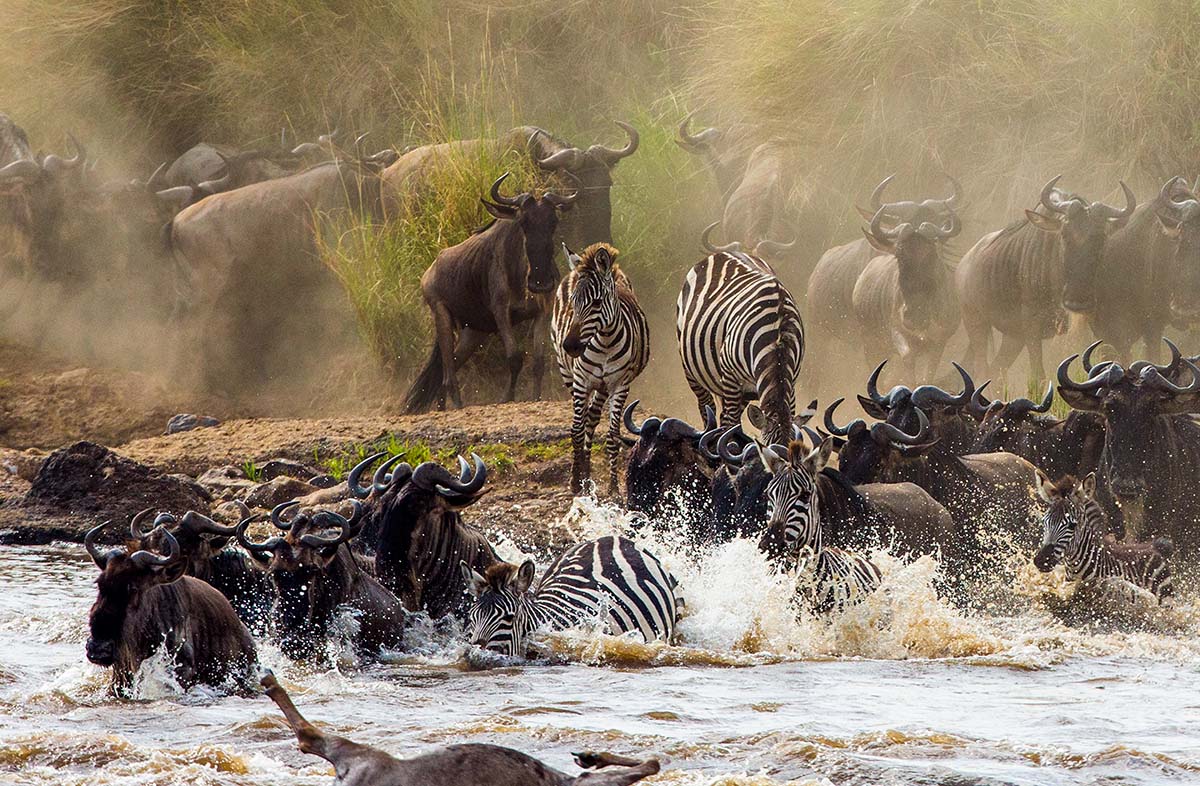
Whether you are exploring the Serengeti, witnessing the Great Migration, tracking gorillas, climbing Mount Kilimanjaro, or discovering Kenya’s iconic wildlife reserves, knowing how tipping works helps remove uncertainty from your travel plans.
With a clear understanding of safari tipping practices, you can travel confidently, recognize exceptional service, and fully appreciate the people who make East Africa’s safari experiences unforgettable.