The Great Migration Safari Guide helps travelers understand the movement of wildlife across the Serengeti, allowing them to plan a more informed and rewarding safari experience.
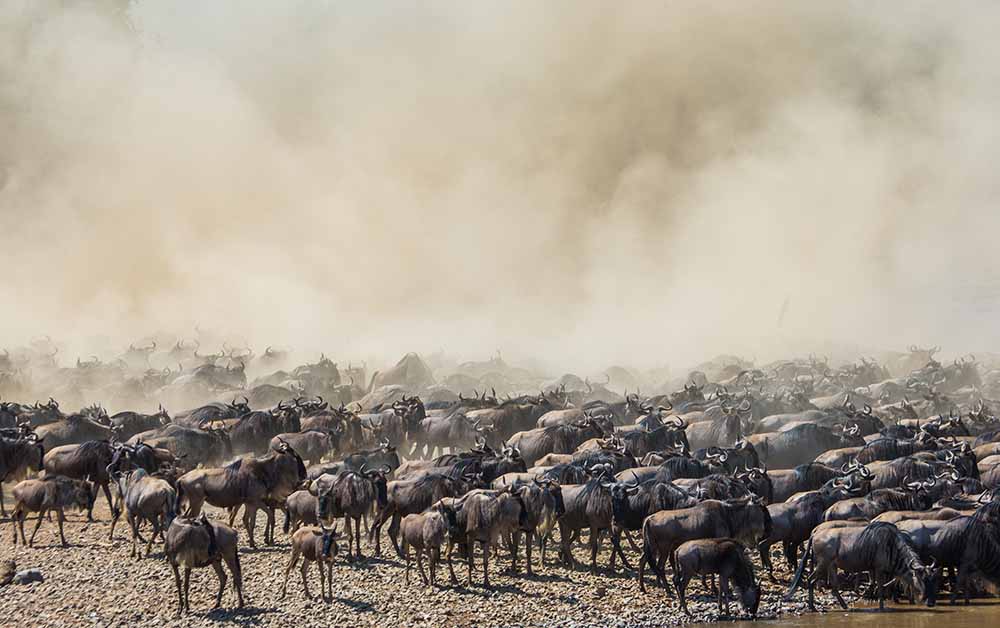
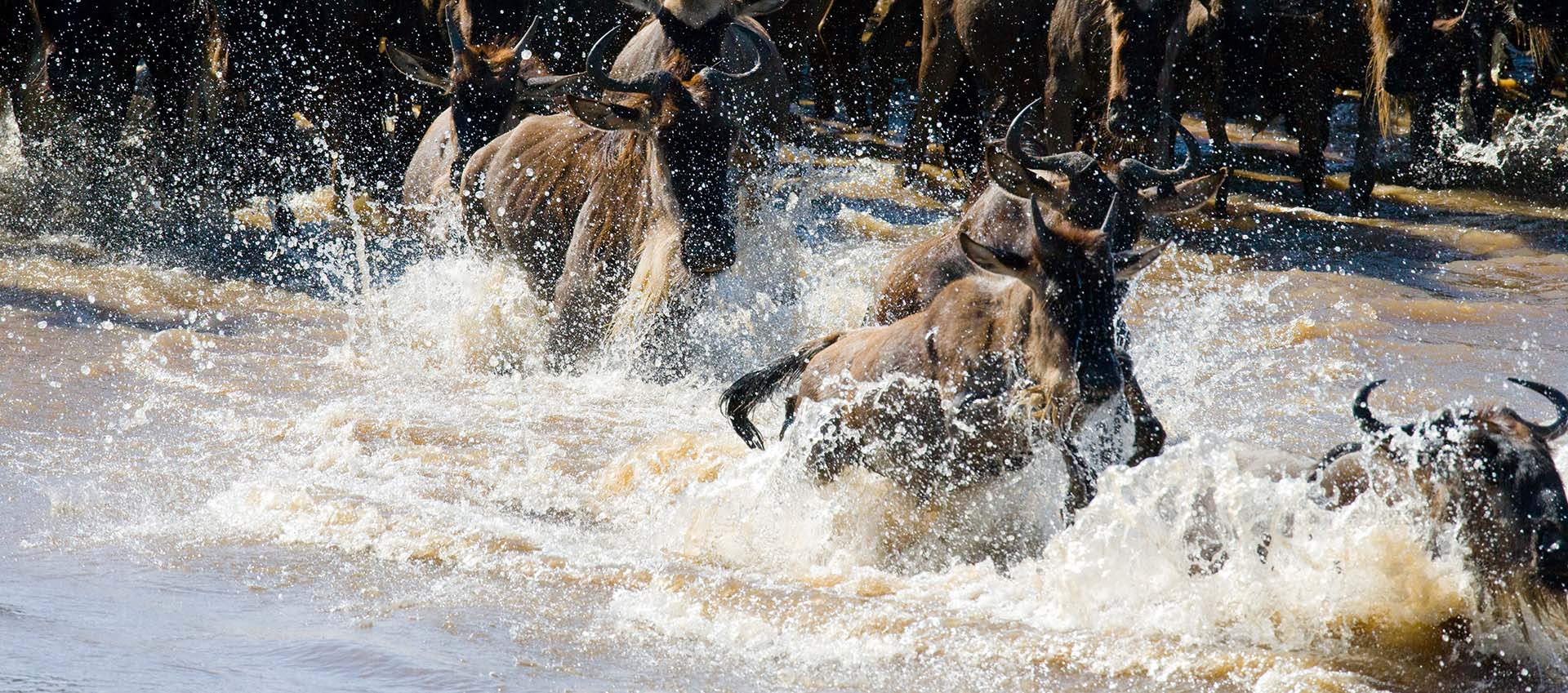
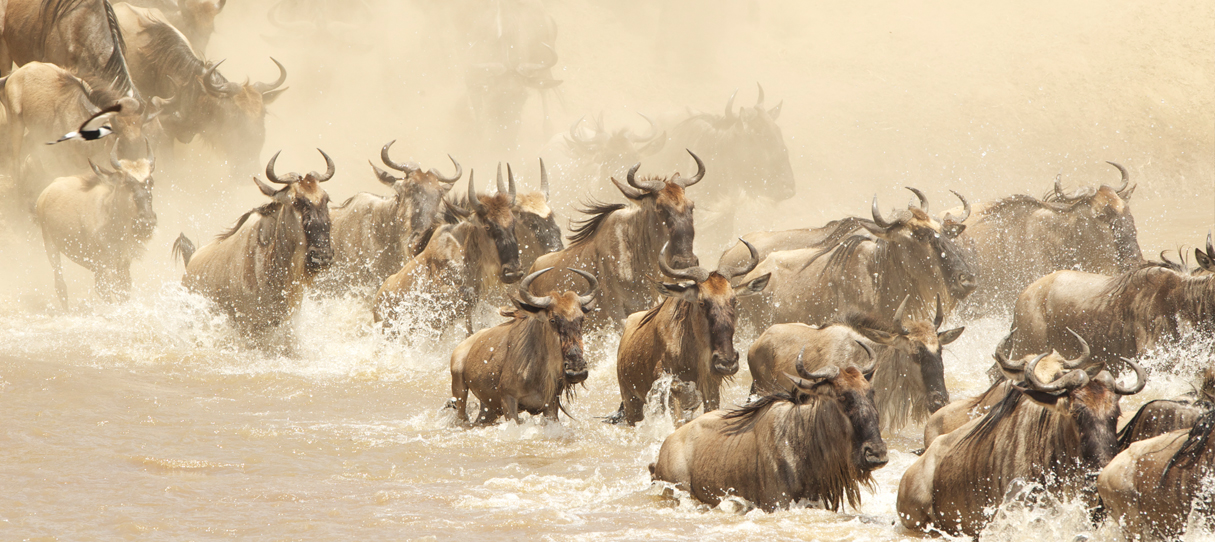
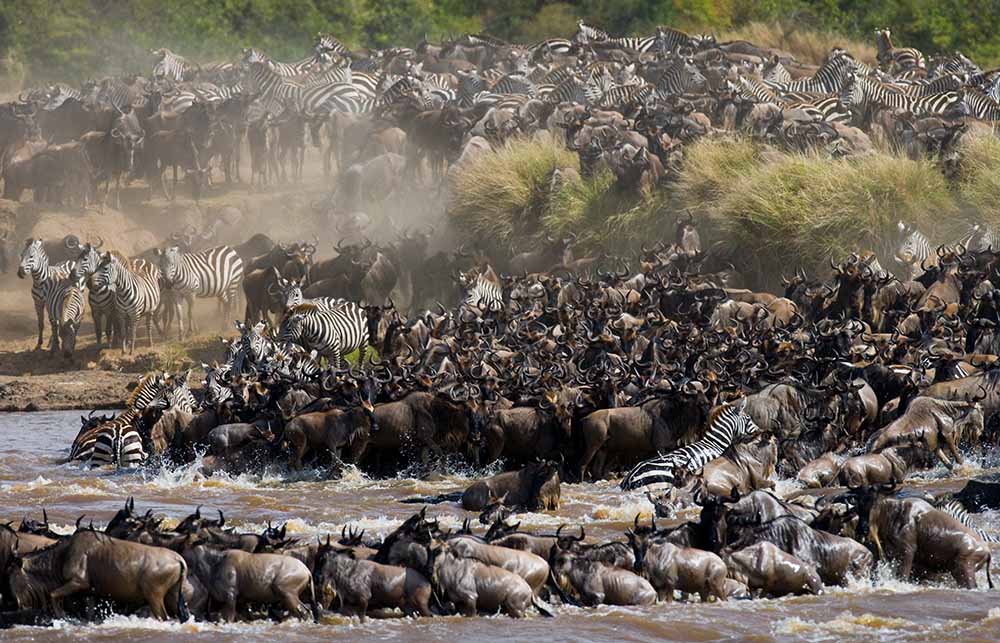
The Great Migration safari experience ranks among the most extraordinary wildlife journeys in the world. Every year, millions of travelers dream of witnessing vast herds moving across the African plains. However, beyond the dramatic images of river crossings and endless landscapes lies a far more complex and fascinating story. Once you understand how the migration truly works, your entire safari experience becomes deeper, richer, and far more meaningful.
The Great Migration Is a Continuous Natural Cycle
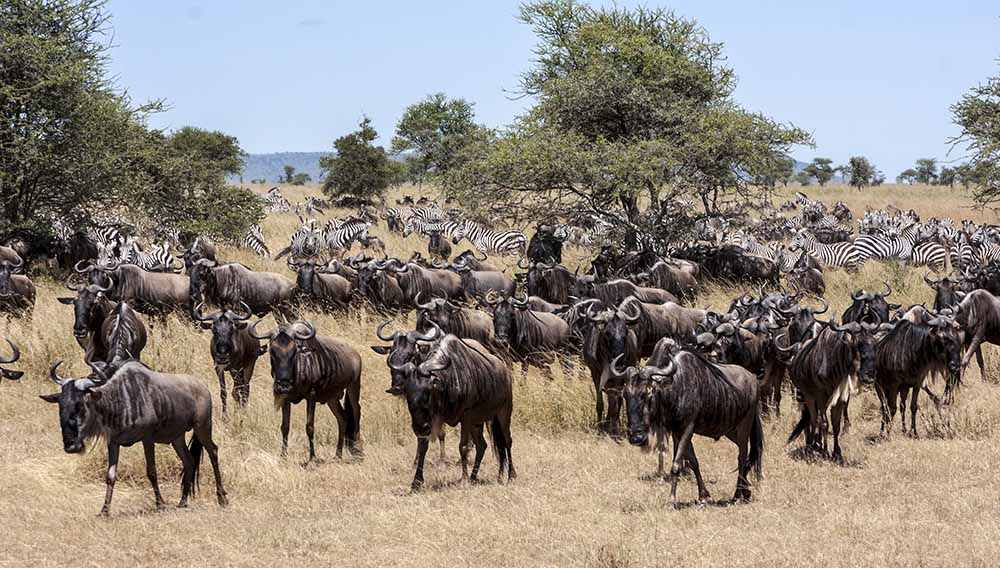
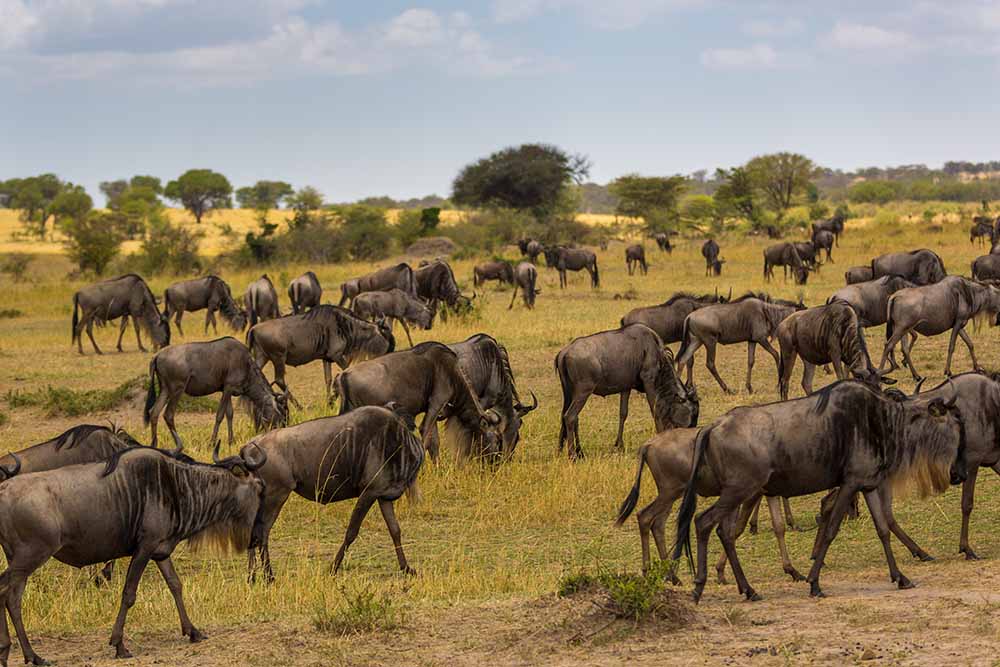
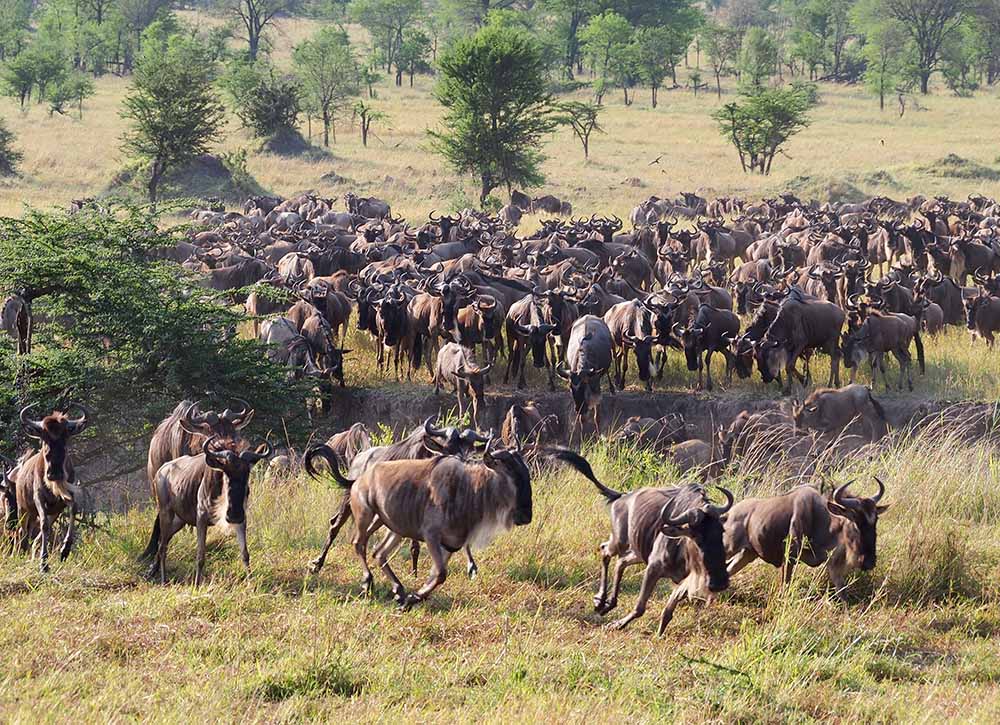
Many people assume that the Great Migration happens at a specific time or in a single location. In reality, this assumption creates one of the biggest misunderstandings about this phenomenon. The migration never stops. Instead, more than two million wildebeest, accompanied by zebras and gazelles, move continuously in a circular pattern across the Serengeti ecosystem.
Rather than following a fixed calendar, the herds respond directly to nature. Rainfall patterns determine where fresh grass grows, and water availability shapes their direction. Consequently, the migration has no clear beginning or end. It follows a natural rhythm that has existed for thousands of years, making it one of the most authentic wildlife processes on Earth.