
August 9, 2026 By Bigcats Comments are Off African wildlife, Luxury, Safari, Serengeti, Tanzania, wildlife
A Second Safari in East Africa allows you to explore new destinations, travel in a different season, and experience the region with greater depth and appreciation.
Your first safari introduces you to Africa’s breathtaking wildlife, endless landscapes, and unforgettable adventures. Every game drive brings excitement, every animal encounter feels extraordinary, and every sunset leaves a lasting impression. However, something changes after your first journey. Instead of wondering whether you should return, you begin asking how you can experience East Africa in a completely different way. Surprisingly, many seasoned travelers agree that a second safari often becomes even more meaningful because it offers greater appreciation, deeper understanding, and richer experiences.
Leave the Wildlife Checklist Behind
Most first-time safari visitors arrive with one primary goal: spotting the famous Big Five. Although seeing lions, elephants, leopards, rhinos, and buffalo remains exciting, experienced travelers soon discover that safari offers much more than a checklist.
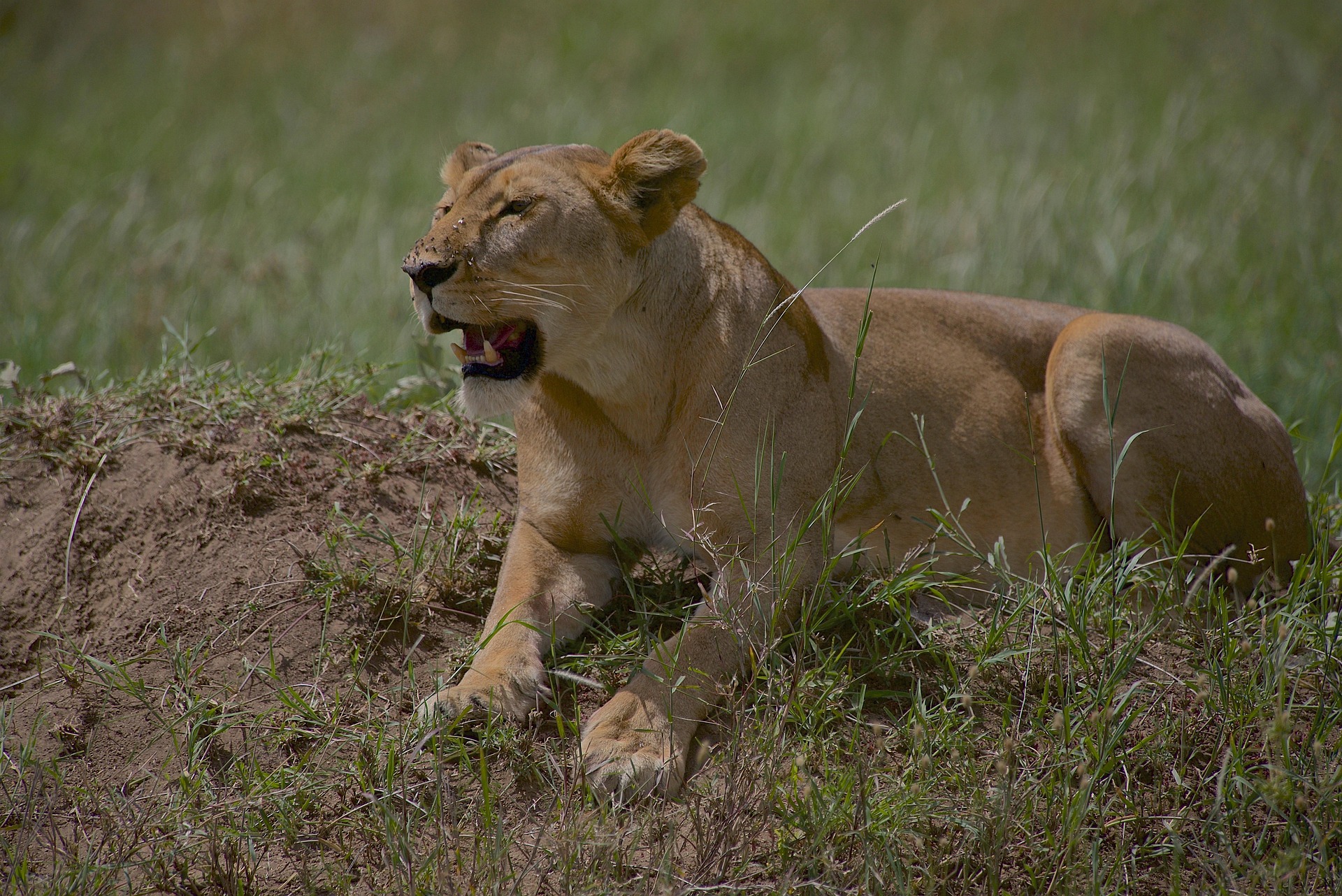
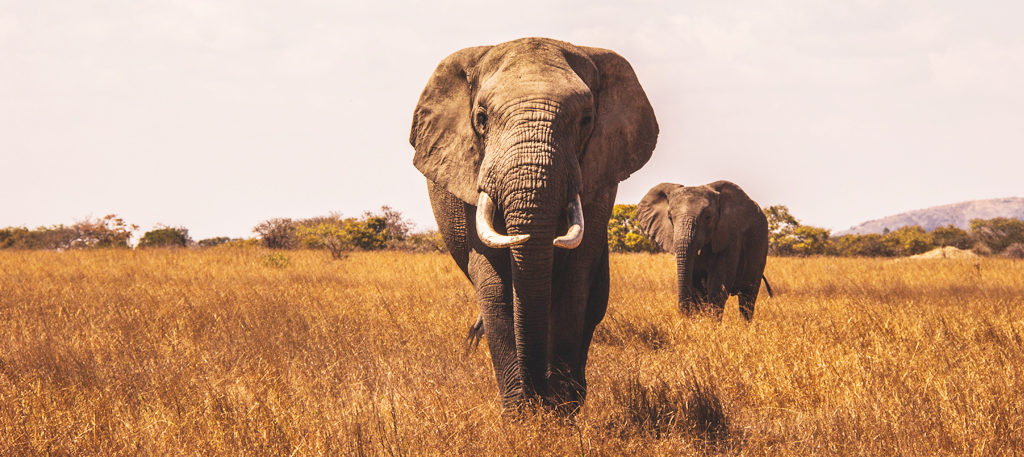
During your second safari, you begin to appreciate wildlife behavior instead of simply counting sightings. Rather than searching for another lion, you watch a pride caring for playful cubs. Instead of rushing toward the next attraction, you spend time observing elephant families, graceful giraffes, or colorful birdlife. As a result, every game drive becomes more immersive and rewarding because you experience nature with greater patience and understanding.
Explore New Destinations Beyond the Northern Circuit
Many visitors spend their first safari exploring Tanzania’s famous Northern Circuit, including Serengeti National Park, Ngorongoro Crater, and Tarangire National Park. Although these destinations deserve their worldwide reputation, East Africa offers countless hidden treasures waiting to be discovered.
Your second safari creates the perfect opportunity to visit places that many travelers overlook. For example, Nyerere National Park offers peaceful boat safaris, Ruaha National Park impresses visitors with dramatic landscapes and outstanding predator sightings, while Mahale Mountains National Park delivers the unforgettable experience of tracking wild chimpanzees through ancient forests. Consequently, every new destination reveals another fascinating side of East Africa.
Experience a Different Season
Changing the time of year can completely transform your safari experience. If your first visit took place during the dry season, consider returning during the Green Season. Lush vegetation replaces dusty landscapes, migratory birds arrive from around the world, and newborn animals appear across the plains.
Meanwhile, dramatic skies create spectacular photography opportunities, and fewer visitors allow you to enjoy a quieter, more exclusive atmosphere. Therefore, even familiar destinations feel entirely different simply because the season has changed.
Slow Down and Enjoy the Journey on your Second Safari in East Africa
One lesson many returning safari guests share is remarkably simple—they wish they had stayed longer. Instead of trying to visit numerous parks within a limited timeframe, consider spending more nights in fewer locations.
Relax on your private veranda while wildlife wanders nearby. Enjoy long lunches overlooking the African wilderness, and take time to absorb the peaceful rhythm of nature. Rather than rushing between destinations, you allow every moment to unfold naturally. Ultimately, luxury safari travel becomes less about seeing more places and more about creating deeper experiences.
Add New Adventures to Your Safari
A second safari gives you the freedom to explore East Africa from entirely new perspectives. Besides traditional game drives, you can float above the Serengeti during a sunrise hot air balloon safari, discover hidden details on a guided walking safari, or enjoy breakfast in the bush after an early morning wildlife adventure.
Furthermore, you can enrich your journey by visiting local communities, climbing Mount Kilimanjaro, or relaxing on the white sandy beaches of Zanzibar after your safari. These additional experiences create a well-rounded itinerary that combines wildlife, culture, and adventure into one unforgettable holiday.
Travel with Purpose on a Second Safari in East Africa
Many returning visitors seek more than beautiful scenery and exciting wildlife encounters. They want to understand the people, conservation efforts, and communities that protect East Africa’s remarkable ecosystems.
By learning about wildlife conservation, supporting local initiatives, and spending time with experienced safari guides, you gain valuable insight into the challenges and successes of preserving Africa’s natural heritage. Consequently, every wildlife encounter becomes more meaningful because you understand the story behind it.
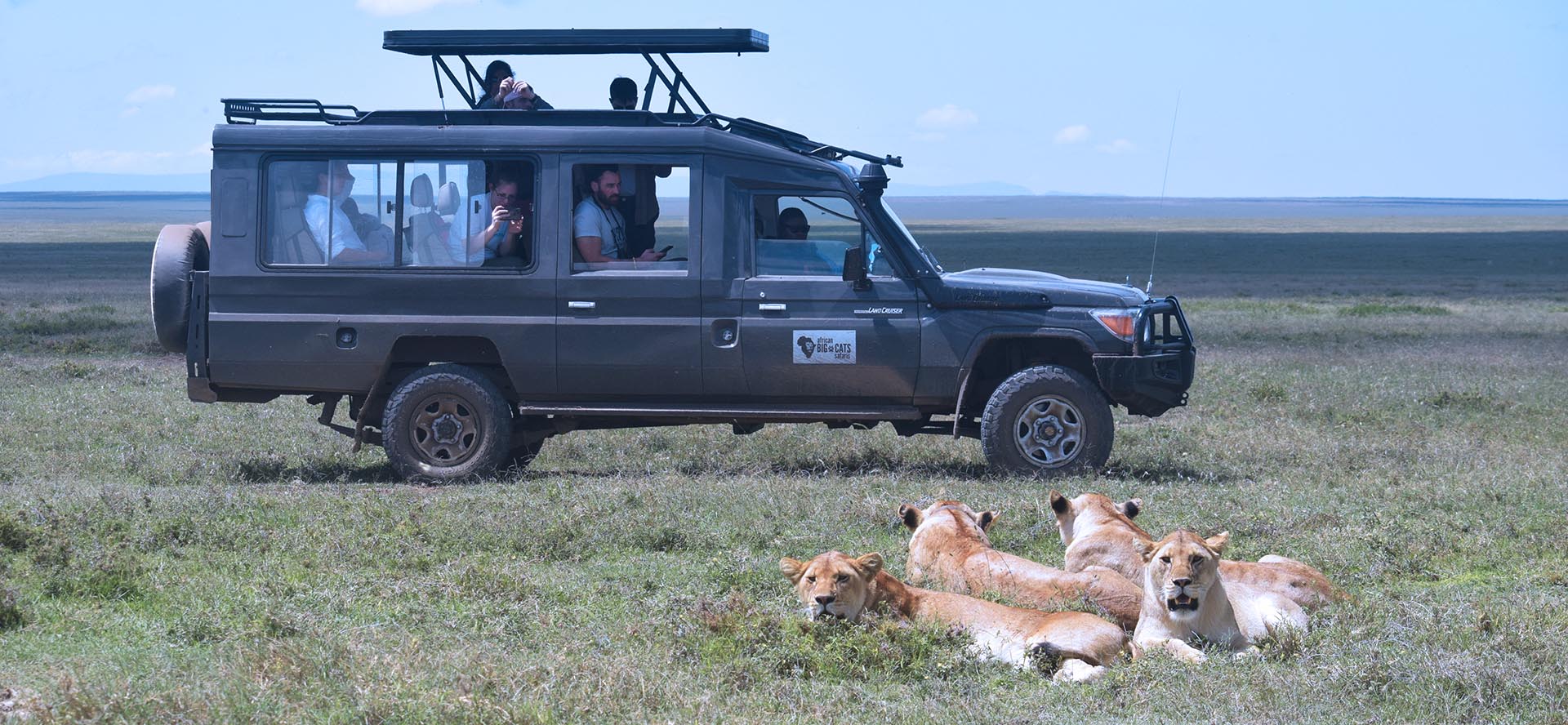
Our luxury safari programs
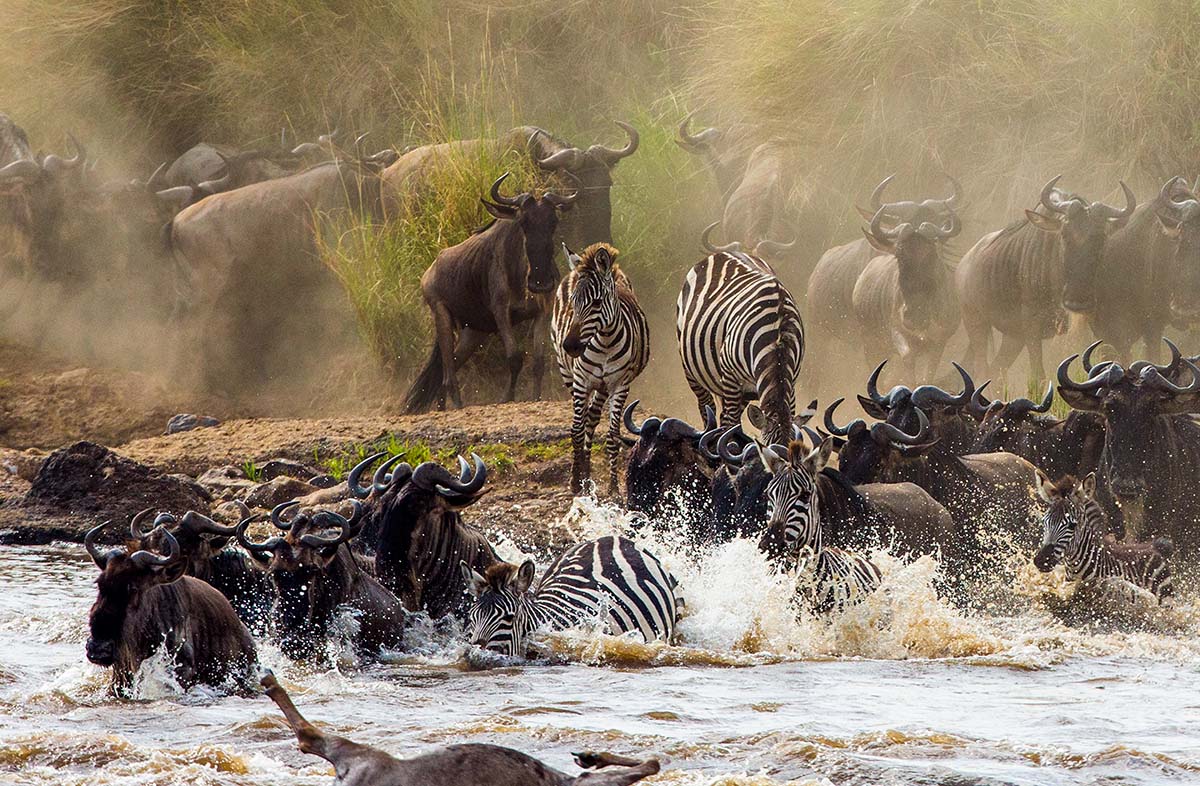
Share Africa with Family and Friends on your Second Safari in East Africa
Your second safari also provides the perfect opportunity to introduce loved ones to Africa’s incredible beauty. Parents often return with their children, grandparents gather the family for a once-in-a-lifetime adventure, and friends celebrate important milestones surrounded by nature.
Watching someone experience their very first safari through your eyes creates unforgettable memories while strengthening the bonds you share. In many cases, these shared experiences become just as rewarding as the wildlife itself.
Create a More Luxurious Safari Experience
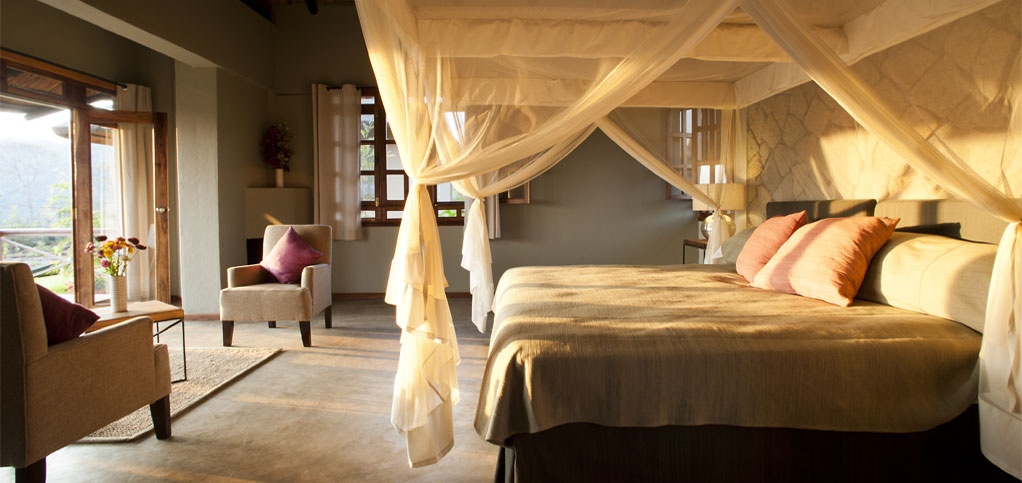
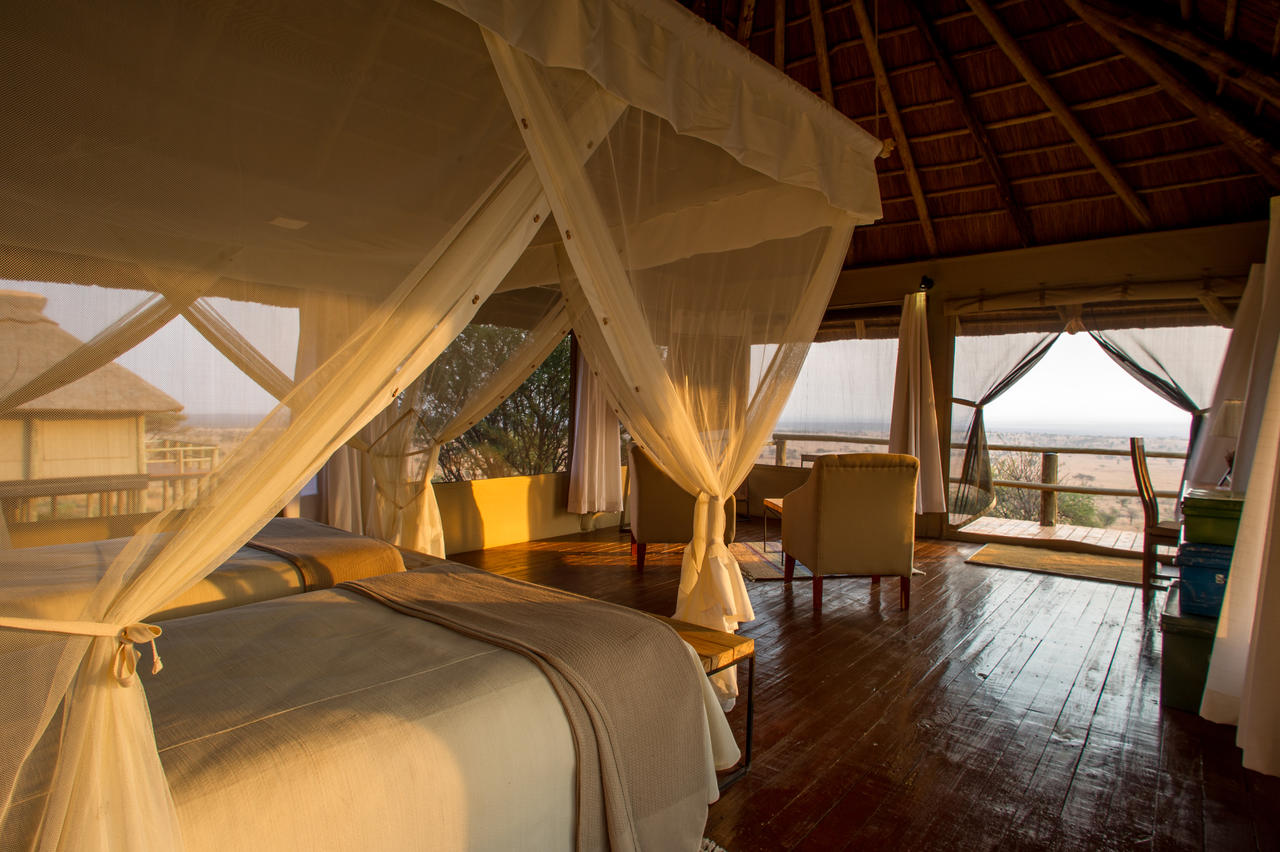
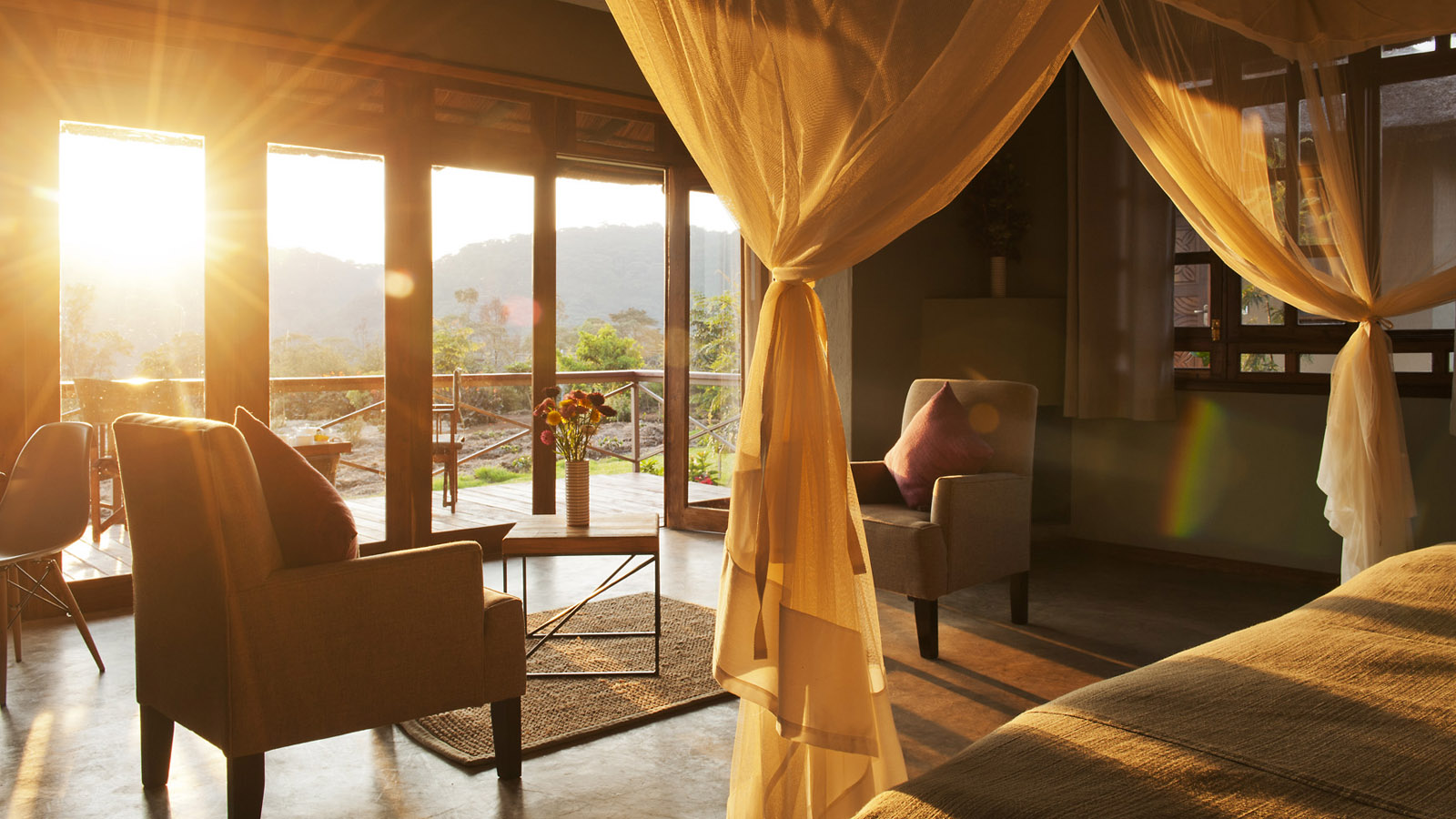
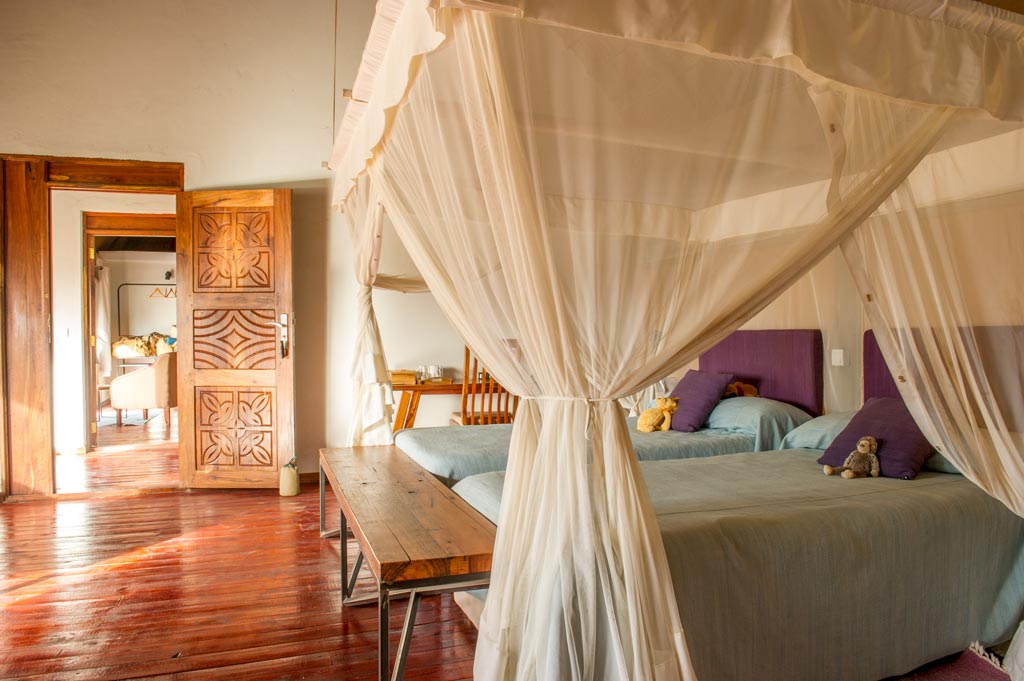
Returning travelers often choose to elevate every aspect of their journey. Exclusive safari camps, private guides, personalized service, and unique dining experiences allow you to enjoy East Africa at your own pace.
Above all, luxury safari travel focuses on creating experiences that reflect your personal interests rather than following a standard itinerary. Every journey becomes unique, comfortable, and deeply memorable.