
June 23, 2026 By Bigcats Comments are Off Cheetah, running, Safari, Serengeti, speed, Tanzania
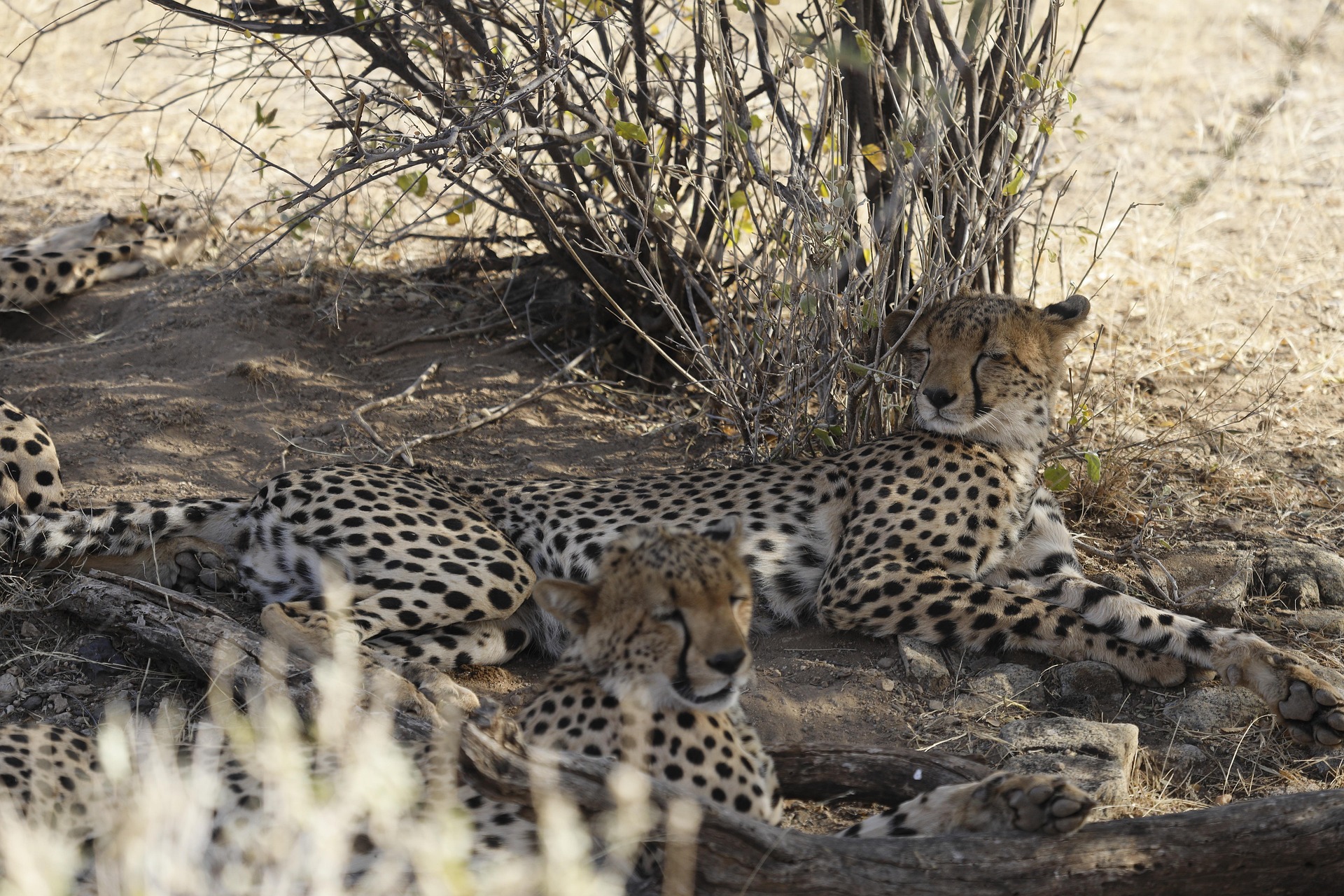
Watching a cheetah sprint across the African savannah is one of the most breathtaking wildlife experiences you can have on safari. In a matter of seconds, this remarkable predator transforms from a calm observer into a blur of speed, chasing its prey with unmatched precision.
As the fastest land animal on Earth, the cheetah can reach speeds of up to 100 kilometers per hour (62 miles per hour). However, its incredible performance is not simply the result of powerful muscles. Millions of years of evolution have shaped the cheetah into one of nature’s most specialized hunters.
So, what makes a cheetah so fast? Let’s explore the fascinating adaptations that allow this iconic African cat to outrun every other land animal.
The Cheetah: Built Specifically for Speed
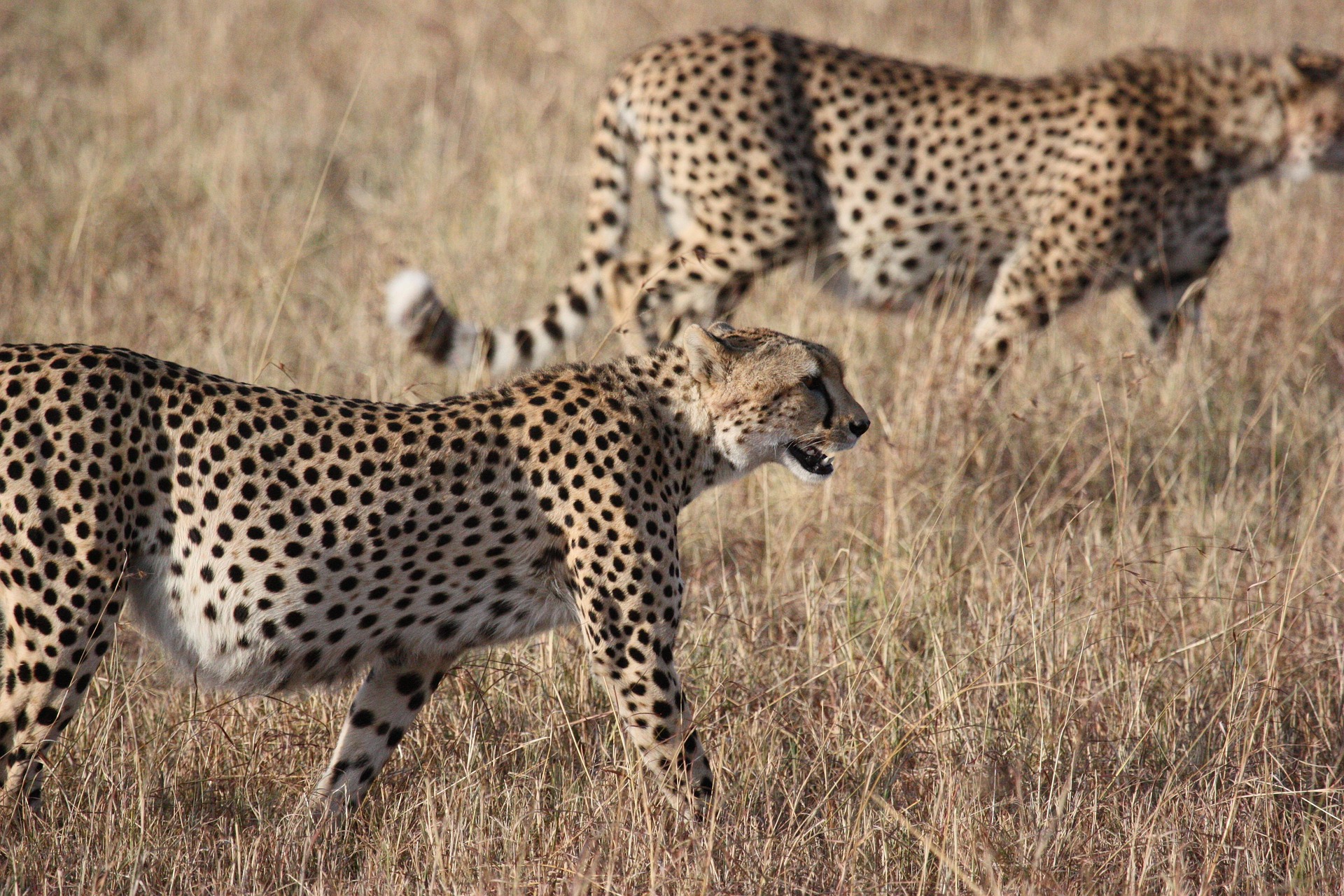
Unlike lions, leopards, and other big cats that rely on strength and ambush tactics, cheetahs are designed almost entirely for speed. Their lightweight bodies, long legs, flexible spine, and aerodynamic build work together to create the ultimate sprinting machine.
Every aspect of a cheetah’s anatomy serves a purpose. From its tail to its claws, each feature contributes to acceleration, balance, as well as agility during high-speed chases across open grasslands.
A Flexible Spine Creates Extraordinary Strides
One of the cheetah’s most important adaptations is its highly flexible spine.
As the animal runs, its spine stretches and contracts like a giant spring. This unique movement allows the cheetah to extend its stride dramatically, covering up to seven meters in a single leap. With each bound, the spine stores and releases energy, helping the animal accelerate rapidly while maintaining efficiency.
This remarkable flexibility is a major reason why cheetahs can achieve speeds that no other land mammal can match.
Powerful Legs Deliver Explosive Acceleration
Speed is not only about top performance; acceleration matters just as much.
A cheetah’s long, muscular legs generate tremendous power, allowing it to accelerate from a standstill to full speed in just a few seconds. Many wildlife experts compare this acceleration to that of a high-performance sports car.
For antelopes, gazelles, and other prey species, those first moments of a chase often determine whether they escape or become a meal.
Cheetah Tail Functions Like a Rudder
Running at extreme speeds presents a challenge that many people overlook: balance.
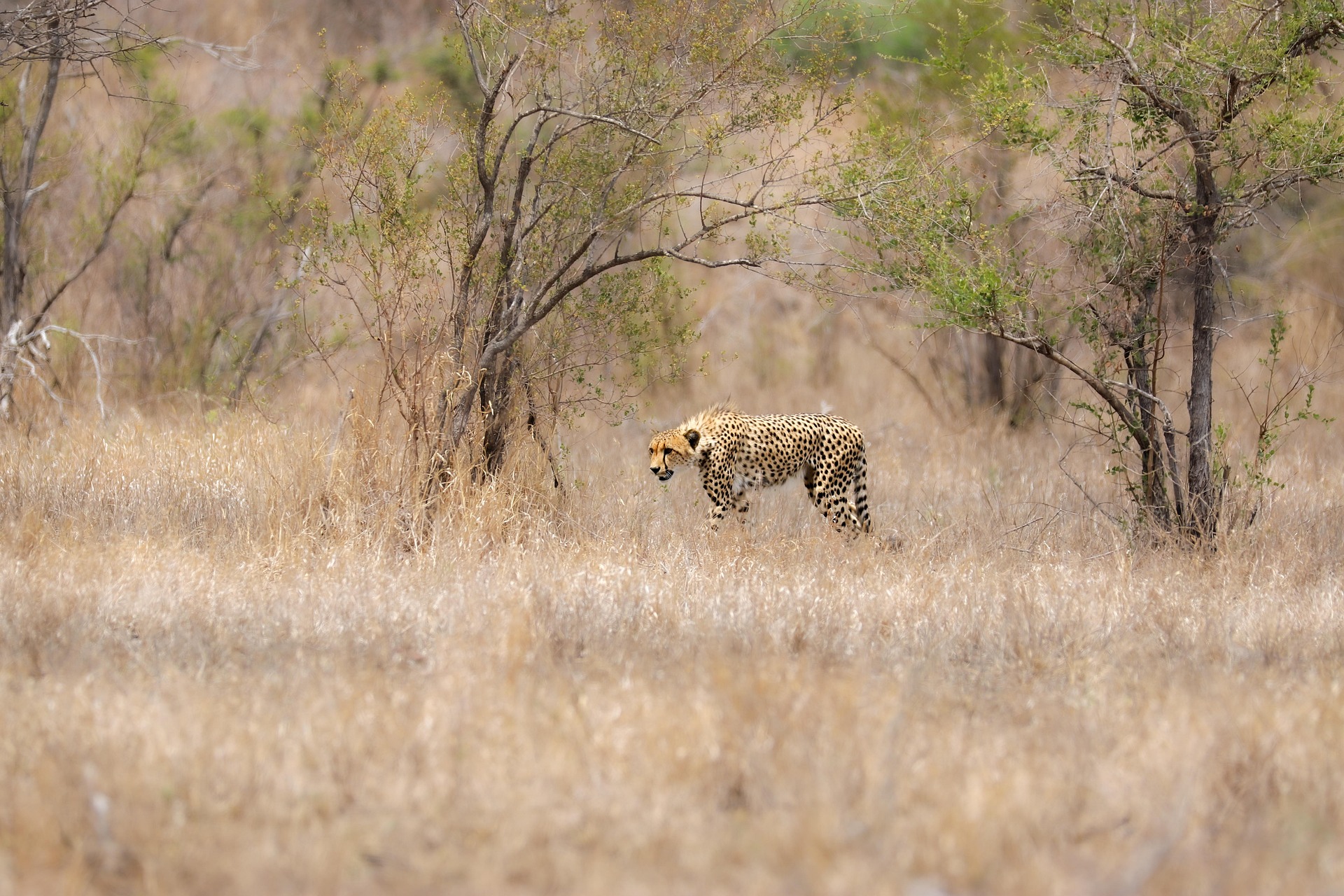
As prey animals zigzag and change direction, the cheetah must react instantly. Its long, muscular tail acts as a counterbalance and steering mechanism, much like a rudder on a boat.
This allows the cheetah to make sharp turns without losing stability, helping it stay locked onto fast-moving prey even during unpredictable pursuits.
Specialized Claws Provide Superior Grip
Unlike most cat species, cheetahs cannot fully retract their claws.
While this may seem unusual, it gives them a significant advantage when running. The semi-retractable claws function similarly to the spikes worn by professional athletes, providing additional traction on the ground.
This improved grip reduces slipping and helps the cheetah maintain maximum acceleration during a chase.
Cheetah Unique Facial Markings Improve Vision
The distinctive black tear marks running from a cheetah’s eyes to the corners of its mouth are among its most recognizable features.
These markings help reduce glare from the bright African sun, improving focus and visibility during daytime hunts. Since cheetahs often hunt during daylight hours, excellent vision is essential for tracking prey at high speeds across open terrain.
Consequently, this adaptation gives them another important advantage in the African wilderness.
Why Can’t Cheetahs Run at Top Speed for Long?
Despite their incredible athletic abilities, cheetahs are not endurance runners.
Most hunts last less than one minute because sprinting at maximum speed requires enormous energy and generates significant body heat. After a chase, whether successful or not, cheetahs often need time to recover before resuming normal activity.
Their speed is extraordinary, but it comes at a cost.
Our Luxury Safari programs




Cheetah is much more Than Just the Fastest Animal on Land
Although speed is the trait that makes cheetahs famous, there is much more to these fascinating predators.
Cheetahs are highly intelligent hunters, attentive mothers, and an important part of Africa’s ecosystems. By helping regulate prey populations, they contribute to the natural balance of the savannah.
Every cheetah represents millions of years of evolutionary refinement, resulting in one of nature’s most specialized and efficient predators.
Where Can You See Cheetahs on Safari?
Cheetahs are commonly found in several of Africa’s premier safari destinations, including:
- Serengeti National Park
- Maasai Mara National Reserve
- Ndutu Conservation Area
- Ruaha National Park
- Kafue National Park
Open grasslands and lightly wooded savannahs provide the ideal environment for these speed specialists, allowing them to spot prey from a distance and launch their famous pursuits.
Experience the World’s Fastest Land Animal
Seeing a cheetah in the wild is undeniably one of the most unforgettable safari experiences in Africa. Whether resting on a termite mound, scanning the horizon for prey, or launching into a breathtaking sprint, these magnificent cats showcase the beauty and power of natural evolution.
When a cheetah begins to run, you are witnessing one of the greatest athletic performances in the animal kingdom—a display of speed, precision, and survival perfected over millions of years. On safari with African Big Cats Safaris, we make sure you never miss these unforgettable moments. Karibu Sana!