African Big Cats Safaris

What It Really Feels Like to Climb Kilimanjaro

The Kilimanjaro Experience takes you through changing landscapes, challenging high-altitude trails and unforgettable moments before you finally reach the Roof of Africa.

From the rainforest trails to sunrise at Uhuru Peak, discover what each stage of a Kilimanjaro climb brings and how the mountain changes along the way.

Climbing Mount Kilimanjaro involves much more than reaching Africa’s highest point. Instead, the journey unfolds gradually as you cross changing landscapes, gain altitude and settle into the simple rhythm of mountain life. At 5,895 metres, Uhuru Peak provides the ultimate goal; however, the days leading there create the experience you will remember.

Before Kilimanjaro Experience: Preparing for the Mountain

Your adventure usually starts in Arusha or Moshi. Here, you meet your guides, discuss the route and organize your equipment. Your team also explains the daily schedule, mountain conditions and what you can expect at different elevations. Therefore, this final evening gives you an important opportunity to prepare, relax and get a good night’s sleep.

The First Days: From Rainforest to Open Moorland

On your first trekking day, you enter Kilimanjaro’s lush montane rainforest. Tall trees surround the trail, mist drifts through the branches and birds or monkeys may call from the canopy. Meanwhile, your guides introduce one of the mountain’s most important principles: pole pole — slowly, slowly.

Rather than rushing toward camp, you maintain a comfortable, steady pace and conserve energy for the days ahead.

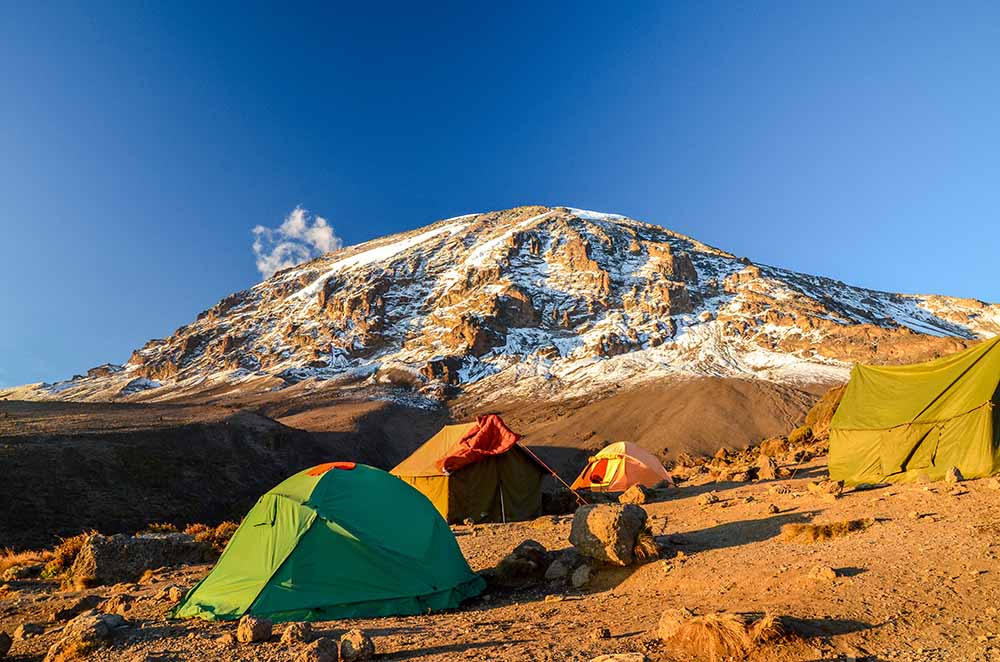
As you climb higher, the rainforest gradually gives way to heather and moorland. Consequently, the views open, temperatures fall and Kilimanjaro’s summit starts appearing through the clouds. Mountain life also develops a simple rhythm: wake, eat, walk, rest and repeat.
Kilimanjaro Experience

Higher Ground: Acclimatization and Alpine Landscapes

Altitude soon becomes an important part of the journey. You may breathe harder, walk more slowly or find ordinary uphill sections surprisingly demanding. Therefore, your guides monitor how you feel and encourage you to drink regularly, eat properly and maintain a steady pace. Longer itineraries also give your body more time to adapt.

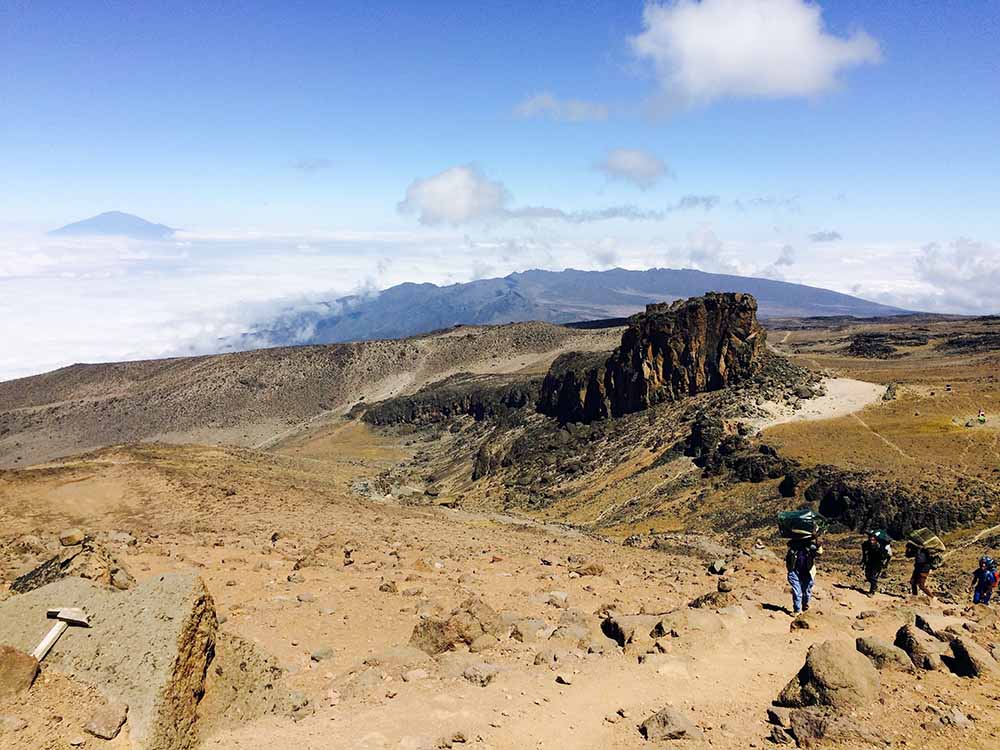
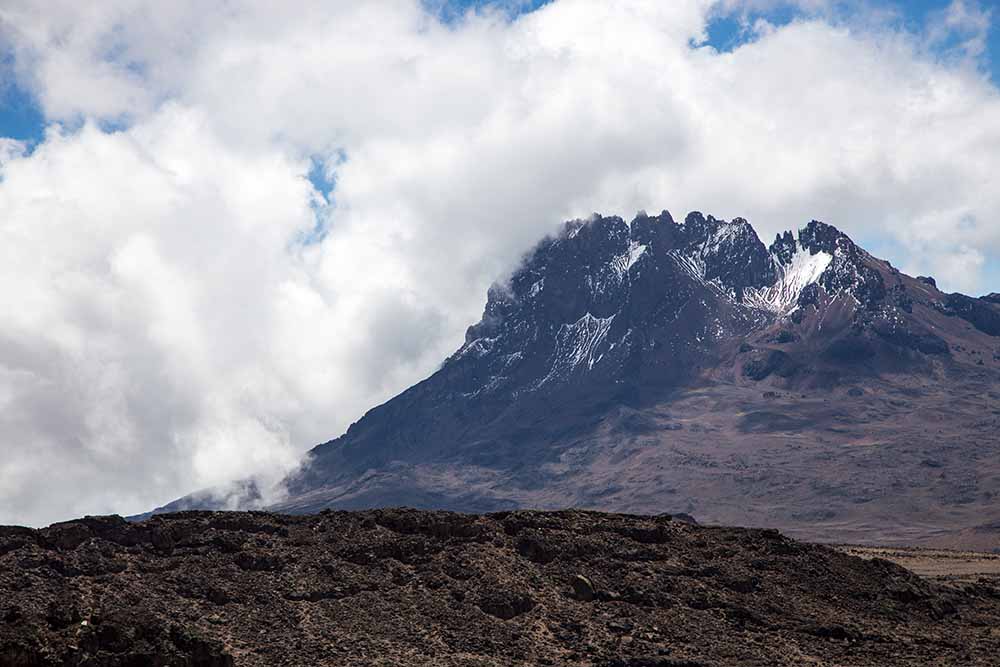
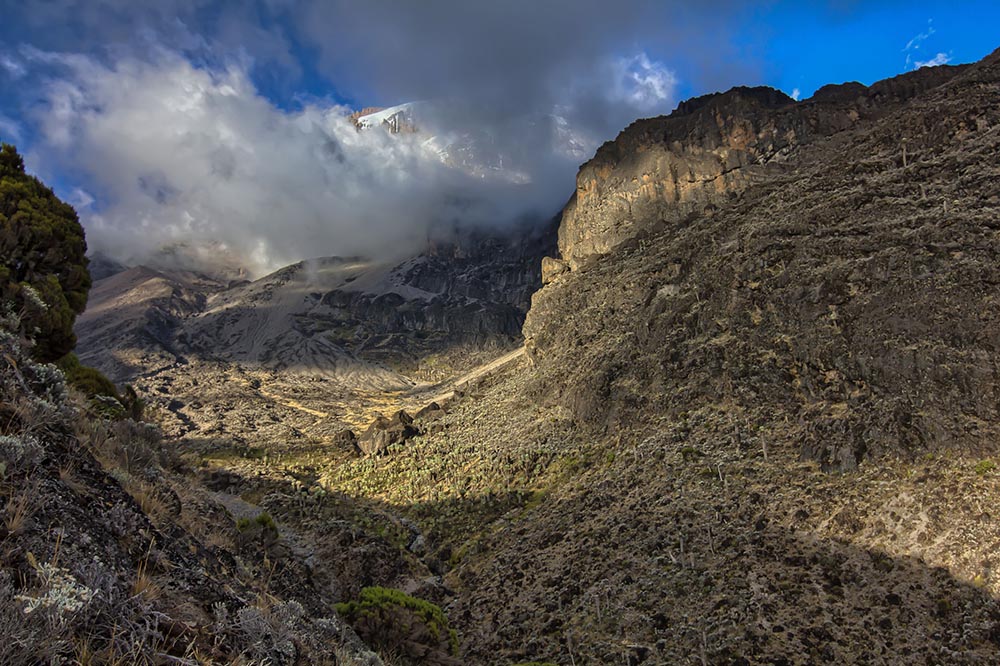
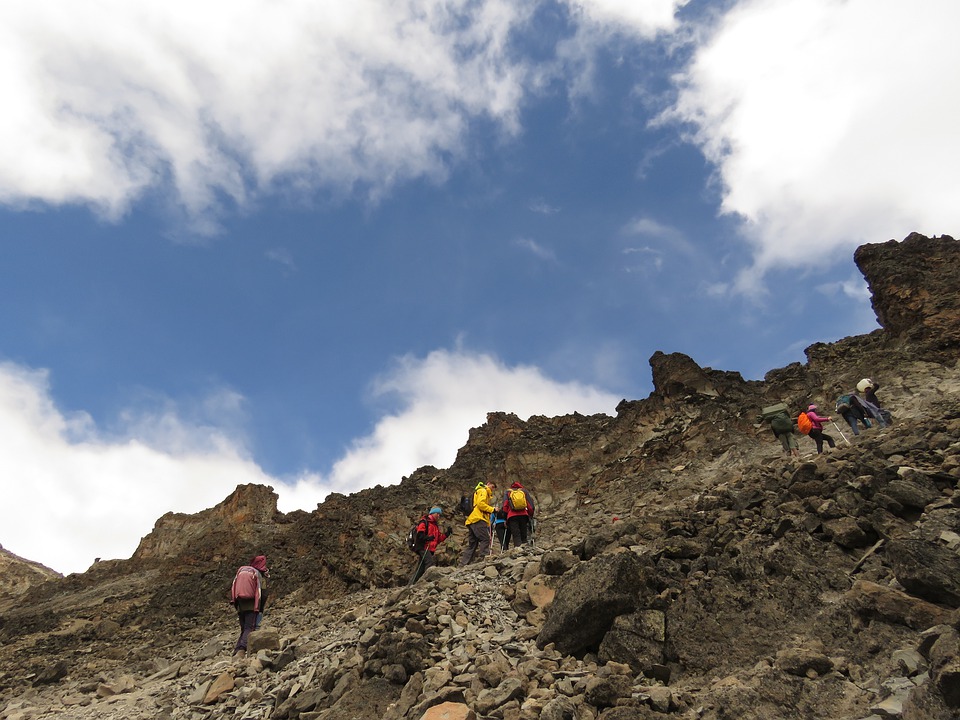
Meanwhile, the scenery changes again. Vegetation becomes sparse, volcanic rock dominates the landscape and clouds may sit far below you. On routes that cross the famous Barranco Wall, you carefully work your way upward with guidance from your mountain crew. Although the wall can look intimidating, it does not require technical rock-climbing skills.

Summit Night: One Step at a Time

Eventually, you reach high camp and prepare for the summit attempt. After an early rest, you wake around midnight or during the early morning hours, put on your warmest layers and begin climbing under the beam of your headlamp.

The trail grows steeper while the air becomes thinner. As a result, patience matters far more than speed. Instead of thinking about the entire climb ahead, you concentrate on one step, then another.

Eventually, darkness begins to fade. For climbers approaching from the southern routes, Stella Point marks a major milestone. Then sunrise spreads across the horizon as you continue around the crater rim toward Uhuru Peak.

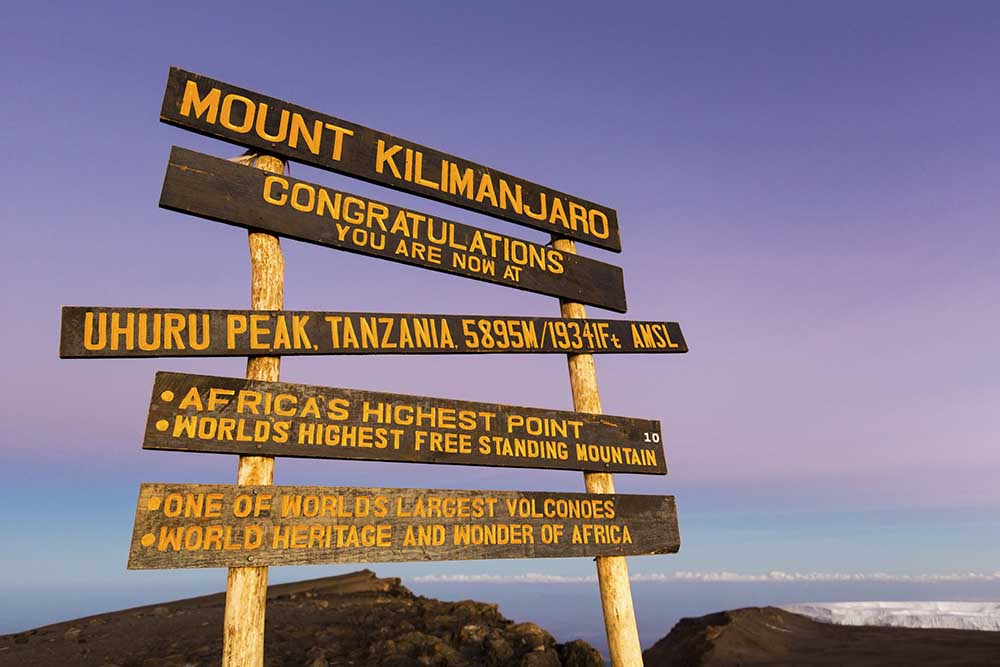
Finally, you reach 5,895 metres — the highest point in Africa.

The Journey Down: Returning to the Forest

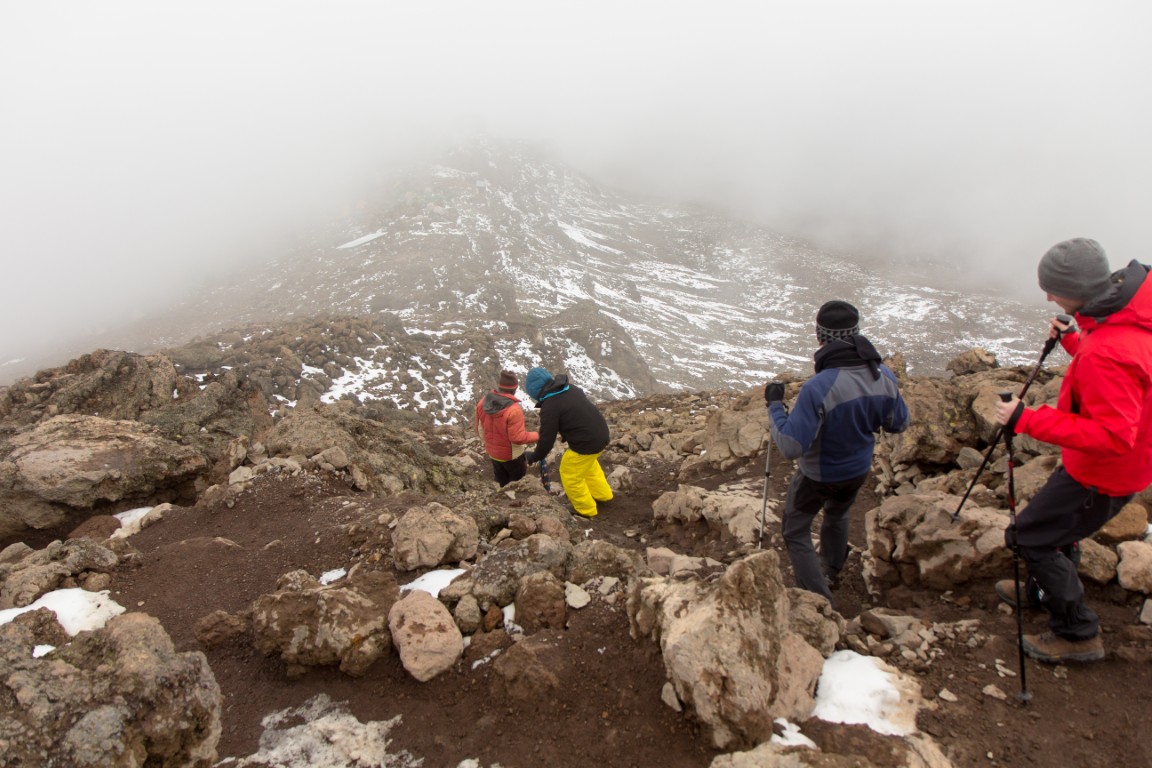
However, reaching Uhuru Peak does not finish the climb. You still face a long descent, and tired legs can make it surprisingly demanding. Nevertheless, each step downward brings thicker air and an increasing sense of relief.

Eventually, vegetation returns, temperatures rise and birdsong replaces the silence of the high mountain. Finally, you reach the gate and return to ordinary life after several extraordinary days on Kilimanjaro.

Life on Kilimanjaro: Food, Rest and Your Mountain Crew

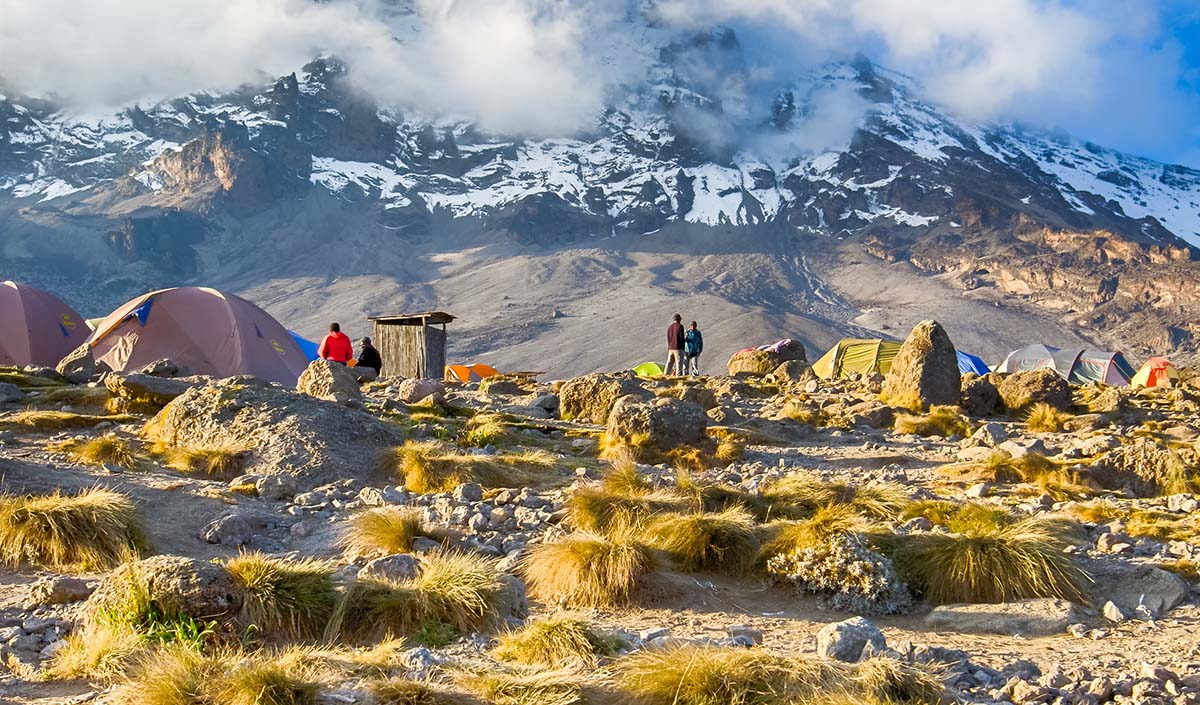
Most days follow a straightforward routine. You eat breakfast, pack your day bag and start walking. Throughout the day, you take breaks, drink water and follow your guide’s pace. Later, you reach camp, eat dinner, prepare for tomorrow and sleep.

Furthermore, your mountain crew plays an essential role. Guides monitor your pace and condition, while porters and camp staff establish camps, transport equipment and prepare meals. Therefore, choosing an operator that treats its mountain crew fairly should form an important part of your planning.

Kilimanjaro Experience Is a Journey, Not Just a Summit

The summit photograph may become your most famous Kilimanjaro memory. However, smaller moments often stay with you just as strongly: walking beneath the rainforest canopy, drinking warm tea at camp, watching clouds gather below you or seeing sunrise from the crater rim.

Ultimately, Kilimanjaro offers much more than a chance to stand at 5,895 metres. The mountain asks for patience, preparation and determination. Most importantly, it turns every slow step into part of the adventure.

Ready to climb Kilimanjaro? African Big Cats Safaris can help you choose the route, itinerary and pace that suit your time, preferences and approach to the mountain.