
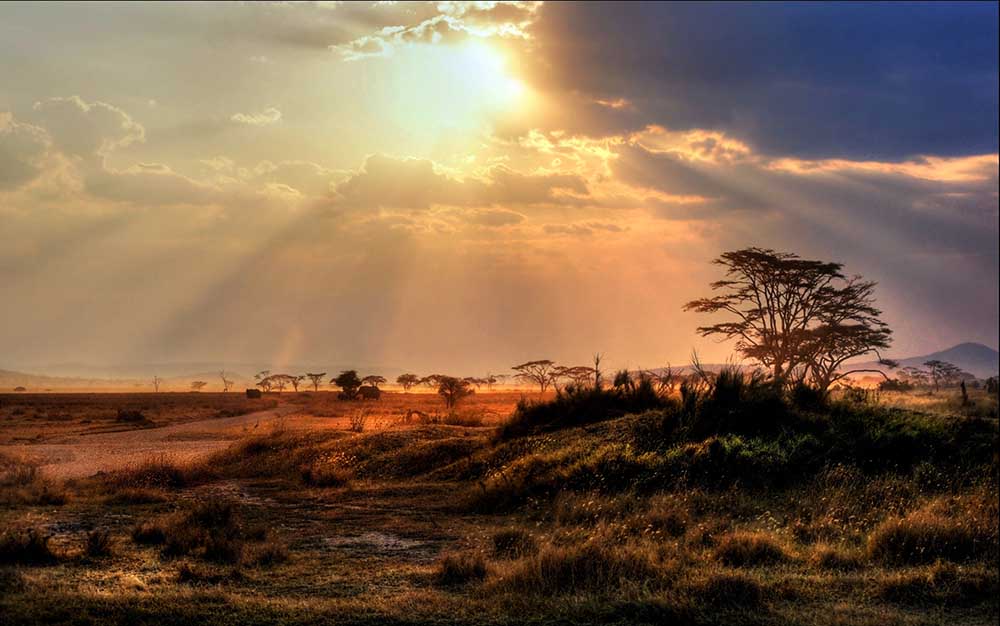
May 11, 2026 By Bigcats Comments are Off formation, Ngorongoro Crater, Serengeti, Tanzania, tectonic, volcanic
Serengeti & Ngorongoro Formation story reveals how volcanic activity and tectonic movements shaped two of Tanzania’s most iconic safari landscapes over millions of years.
Northern Tanzania holds some of Africa’s most iconic safari destinations, yet wildlife tells only part of the story. Beneath the endless plains of the Serengeti and the dramatic walls of the Ngorongoro Crater lies a geological history that stretches back millions of years. Powerful volcanic eruptions, shifting tectonic plates, and ancient natural forces shaped these remarkable landscapes long before the first wildebeest crossed the savannah.
Today, travelers visit the Serengeti and Ngorongoro mainly for unforgettable safari experiences. However, understanding how these landscapes formed adds a completely different dimension to the journey. Every crater wall, open plain, and volcanic ridge reflects a story of constant transformation that still continues today.
The Great Rift Valley Created Northern Tanzania
The geological history of the Serengeti and Ngorongoro begins with the formation of the Great Rift Valley. This enormous geological system developed as tectonic plates beneath East Africa slowly pulled apart over millions of years. As the Earth’s crust shifted, volcanic activity intensified throughout the region and dramatically reshaped the landscape.
Consequently, mountains, valleys, volcanoes, and craters emerged across northern Tanzania. This period of geological activity created the foundation for many of East Africa’s most famous natural attractions. Both the Serengeti ecosystem and the Ngorongoro Conservation Area remain deeply connected to these ancient tectonic movements.
Even today, the Rift Valley continues to evolve slowly, reminding visitors that East Africa remains one of the world’s most geologically active regions.
Serengeti & Ngorongoro Formation: How the Ngorongoro Crater Formed
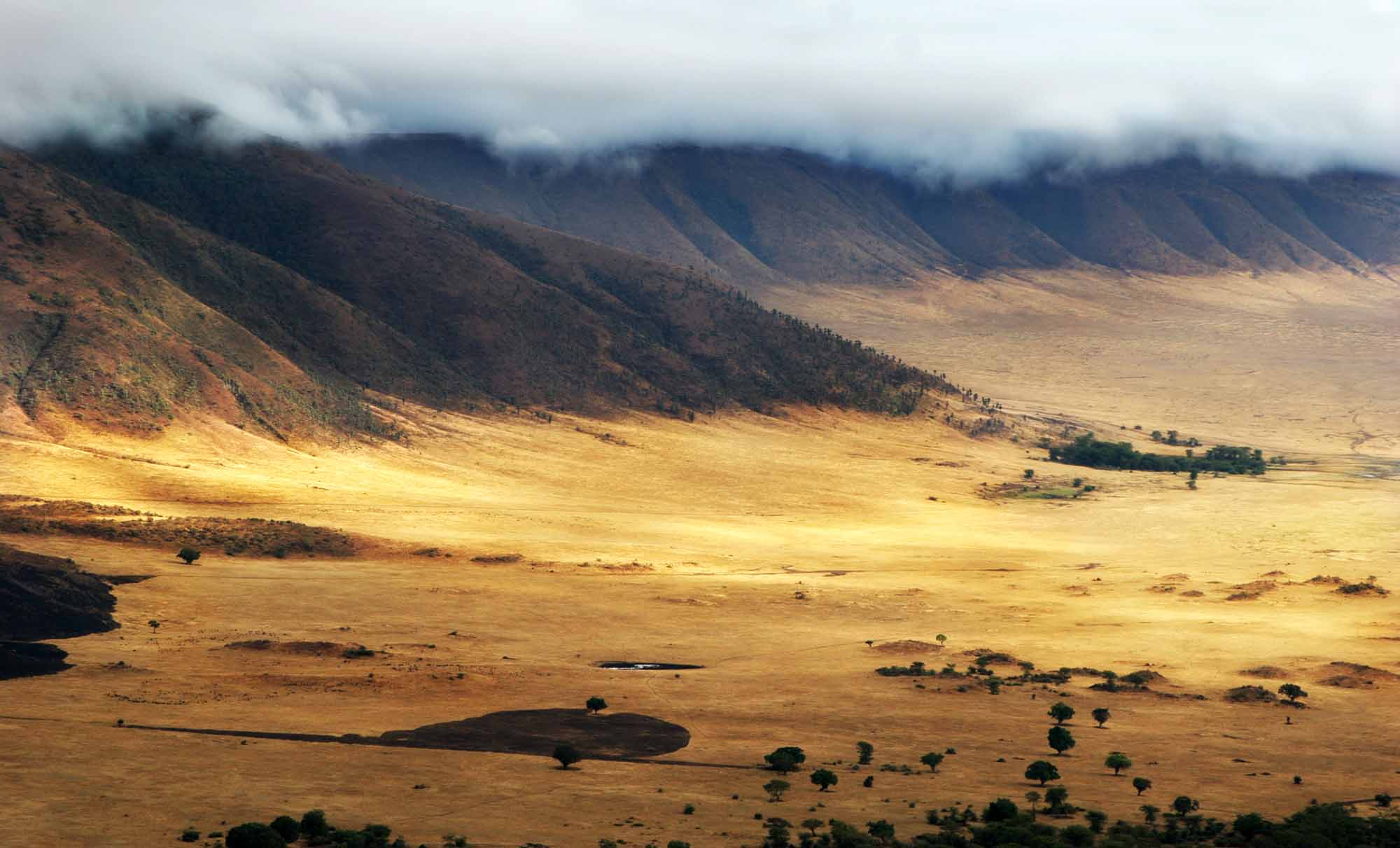
Millions of years ago, the Ngorongoro Crater existed as a massive volcano that may have stood taller than Mount Kilimanjaro. Over time, repeated eruptions weakened the structure of the volcano until it eventually collapsed inward. Instead of forming a standard volcanic crater, the collapse created a gigantic caldera that still dominates the landscape today.
Unlike explosive craters, a caldera forms when the top of a volcano sinks into an empty magma chamber below. As a result, Ngorongoro became one of the largest intact volcanic calderas in the world. Over thousands of years, vegetation spread across the crater floor while natural water sources attracted increasing numbers of animals.
Today, the crater creates one of Africa’s most extraordinary safari environments. Visitors can experience forests, grasslands, swamps, and lakes within a relatively compact area, which makes wildlife viewing exceptionally rewarding.
Why the Ngorongoro Crater Supports So Much Wildlife
The shape of the crater plays a major role in supporting wildlife year-round. Since the caldera forms a natural enclosure, animals find reliable access to food, water, and shelter throughout the seasons. Furthermore, the diversity of habitats inside the crater supports an impressive concentration of species.
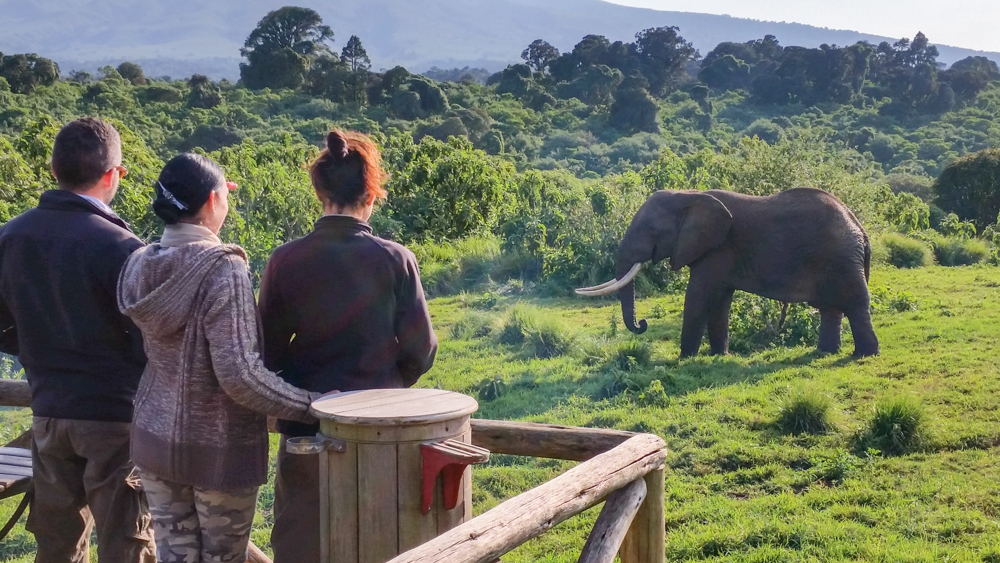
Lions roam the grasslands while elephants move through forested areas near the crater walls. Meanwhile, hippos remain close to water sources and flamingos gather around alkaline lakes. Because resources remain available during most of the year, many animals stay inside the crater permanently instead of migrating across large distances.
As a result, Ngorongoro offers some of the most consistent safari viewing opportunities in Tanzania.
Serengeti & Ngorongoro Formation: The Volcanic Origins of the Serengeti Plains
While the Ngorongoro Crater formed through volcanic collapse, the Serengeti developed differently. Ancient volcanic eruptions spread nutrient-rich ash across the region for thousands of years. Eventually, this ash created fertile soils capable of supporting vast grasslands.
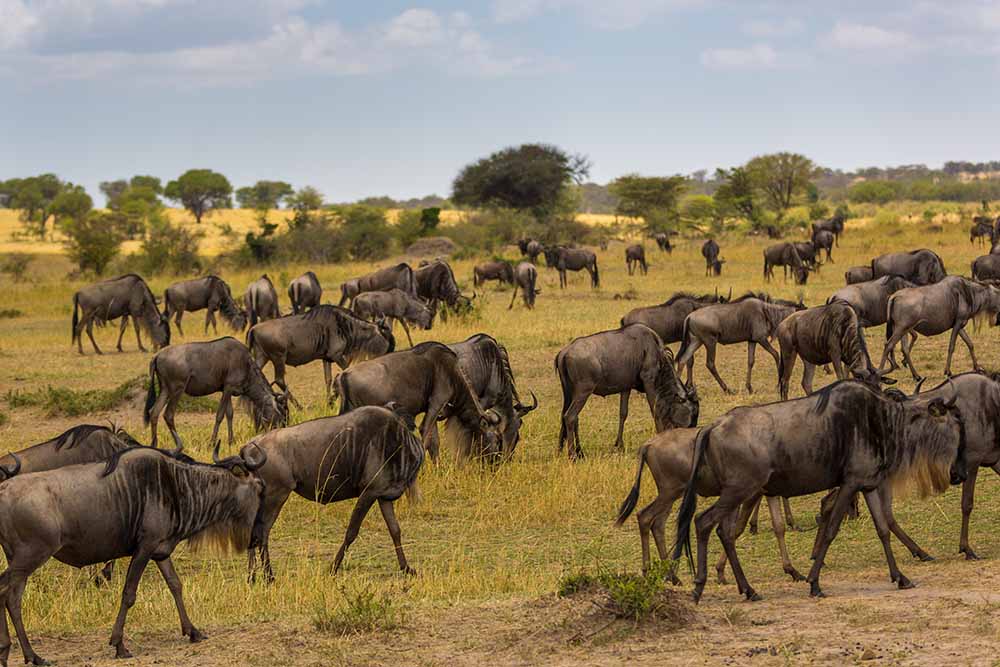
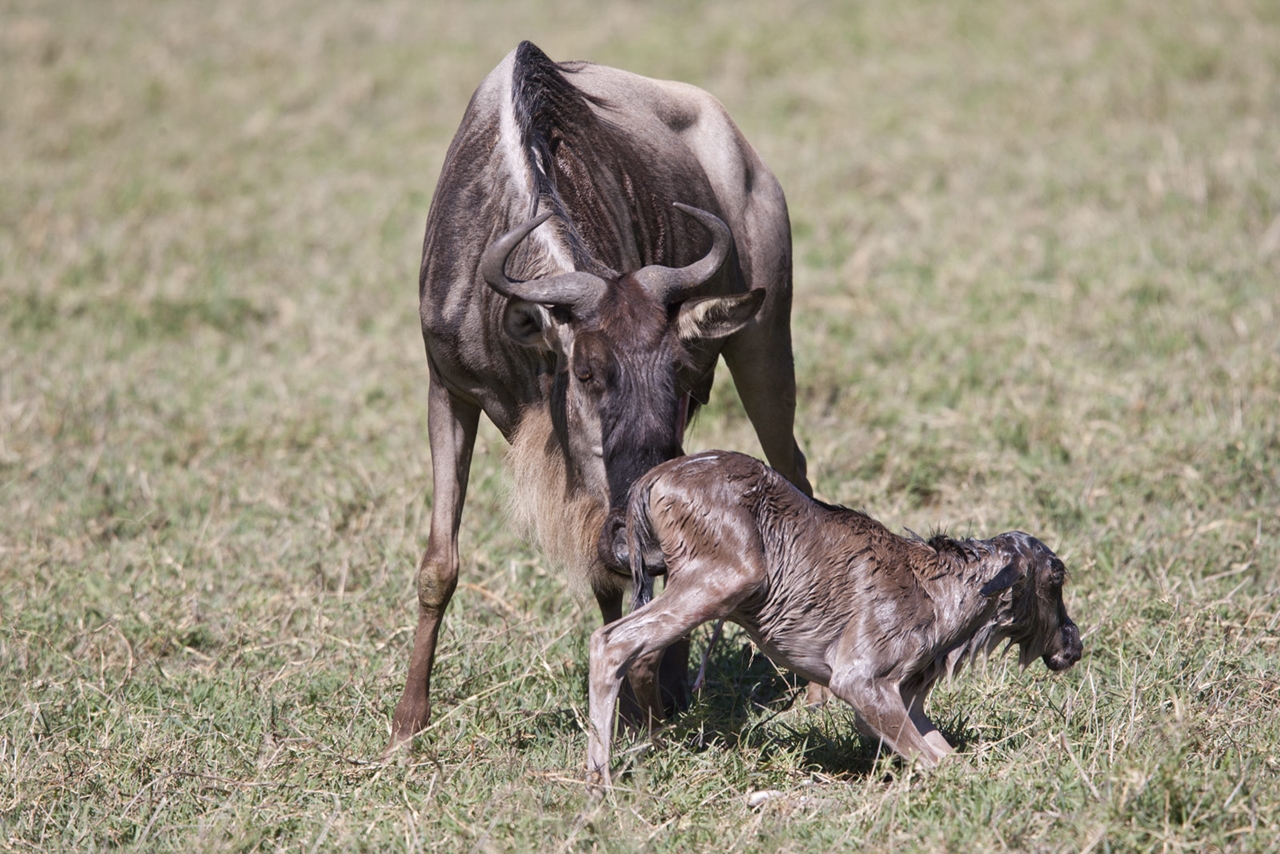
These nutrient-rich plains became the foundation of the Serengeti ecosystem. Large herbivores such as wildebeest and zebras thrived on the short grasses, which in turn attracted predators including lions, cheetahs, and hyenas. Over time, the region evolved into one of the world’s greatest wildlife ecosystems.
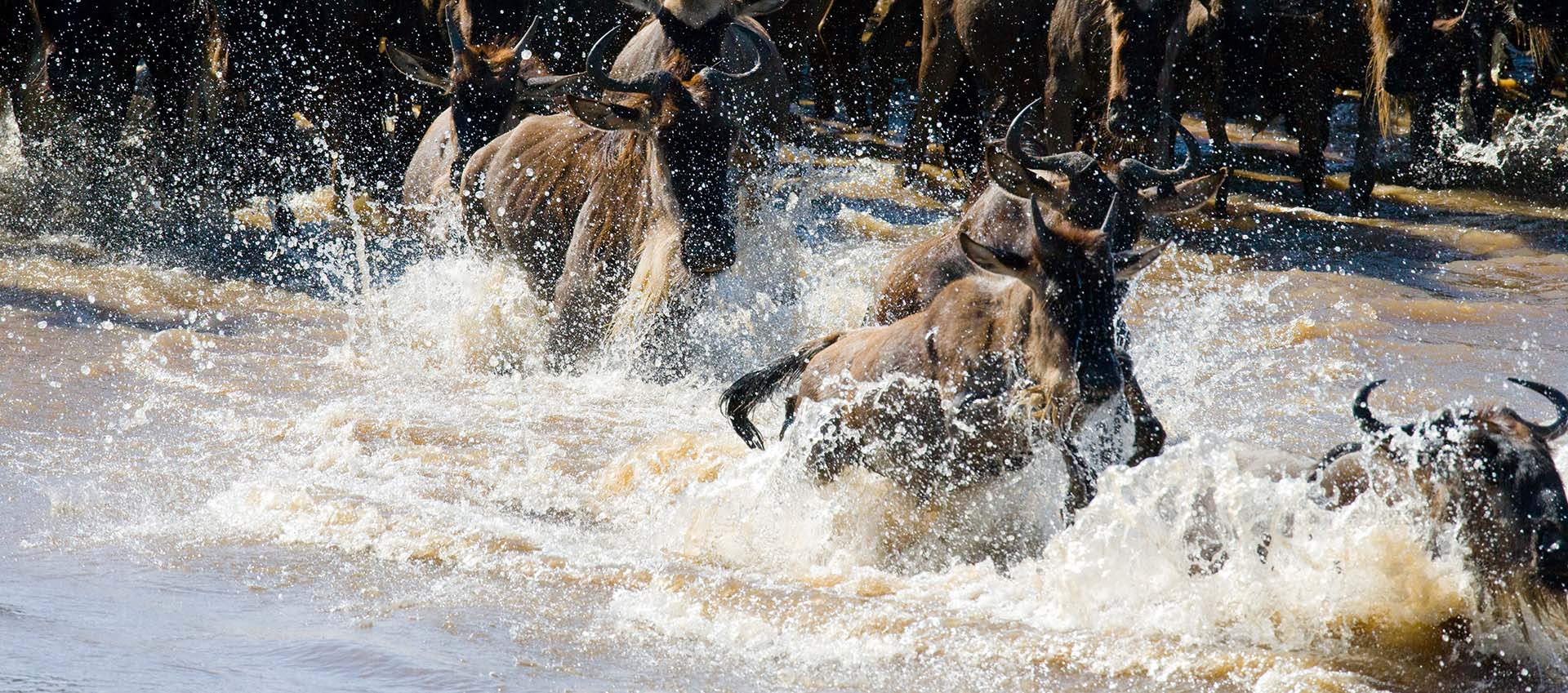
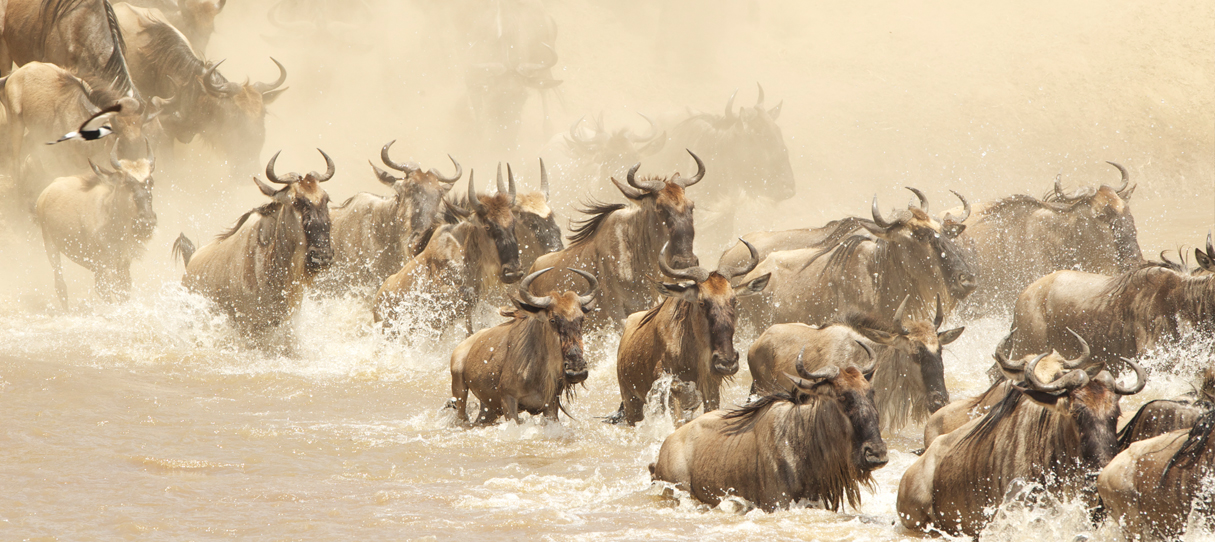
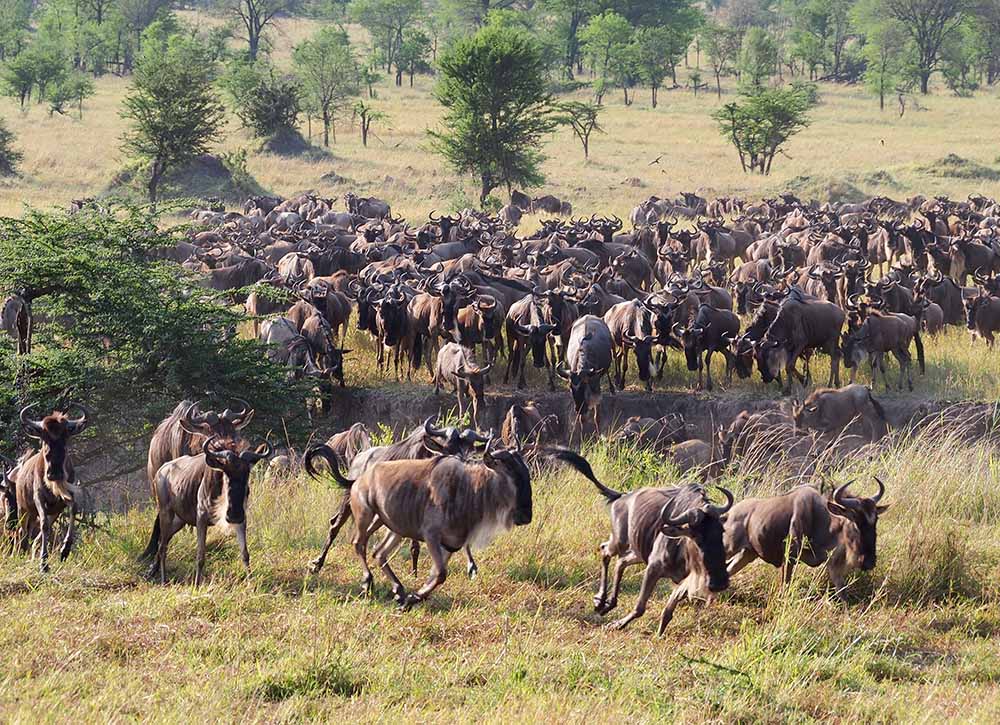
Today, the Serengeti hosts the Great Migration, where millions of animals move across the plains in search of fresh grazing. Without the volcanic activity that enriched the soil, this incredible natural phenomenon might never have developed.
Our Great Migration Safari programs

Serengeti & Ngorongoro Formation: A Landscape That Continues to Change
Although millions of years have passed since these landscapes first formed, geological activity still shapes northern Tanzania today. Volcanoes such as Oldoinyo Lengai continue to influence the region and remind travelers that the Earth beneath East Africa remains active.
Therefore, the Serengeti and Ngorongoro represent far more than safari destinations. They stand as living records of Earth’s history, where wildlife and geology combine to create one of the most fascinating natural environments on the planet.