African Big Cats Safaris

Kilimanjaro Routes: Which One Should You Choose?

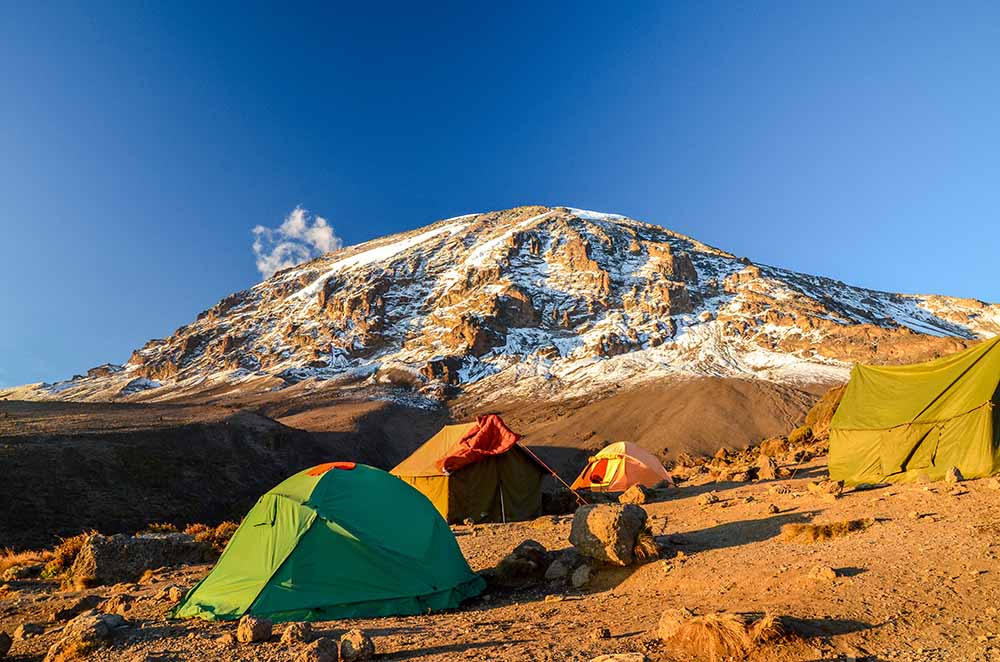
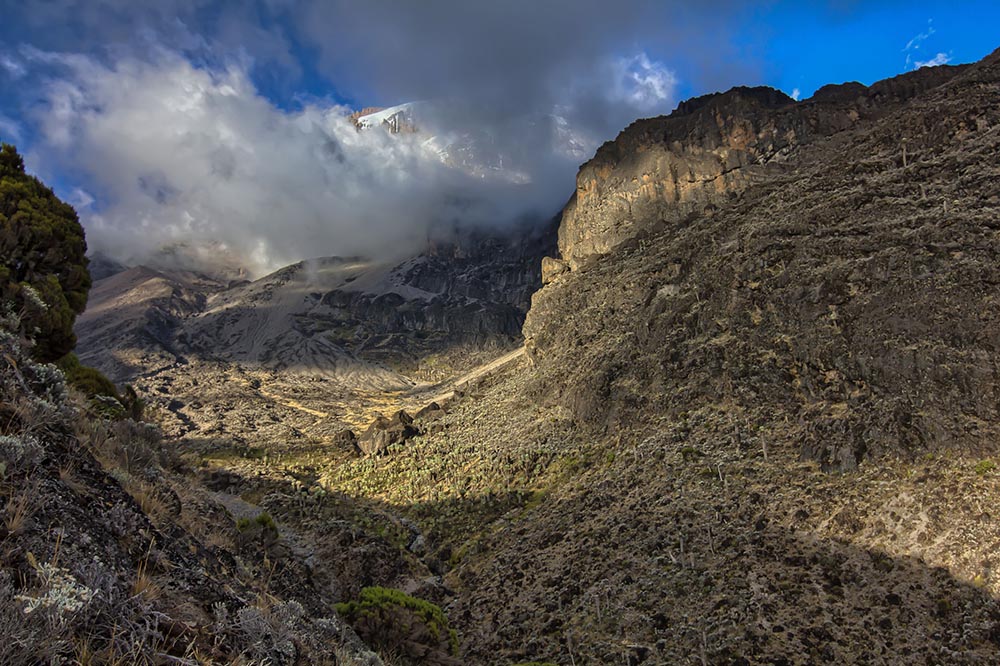
All Kilimanjaro Routes lead toward the same summit, but each trail offers a different combination of scenery, pace, solitude and challenge.

At 5,895 metres, Mount Kilimanjaro offers one of Africa’s greatest trekking adventures. However, before you start climbing, you need to make an important decision: which route should you take?

Kilimanjaro offers several established routes, and each creates a different experience. Some provide spectacular scenery, while others offer quieter trails, longer acclimatization or mountain huts. Therefore, you should choose a route that matches your available time, trekking experience and preferred style of adventure rather than simply selecting the shortest or cheapest option.

Lemosho: A Scenic and Well-Paced Adventure

Lemosho combines varied scenery with a gradual approach, which makes it particularly attractive to first-time Kilimanjaro climbers.

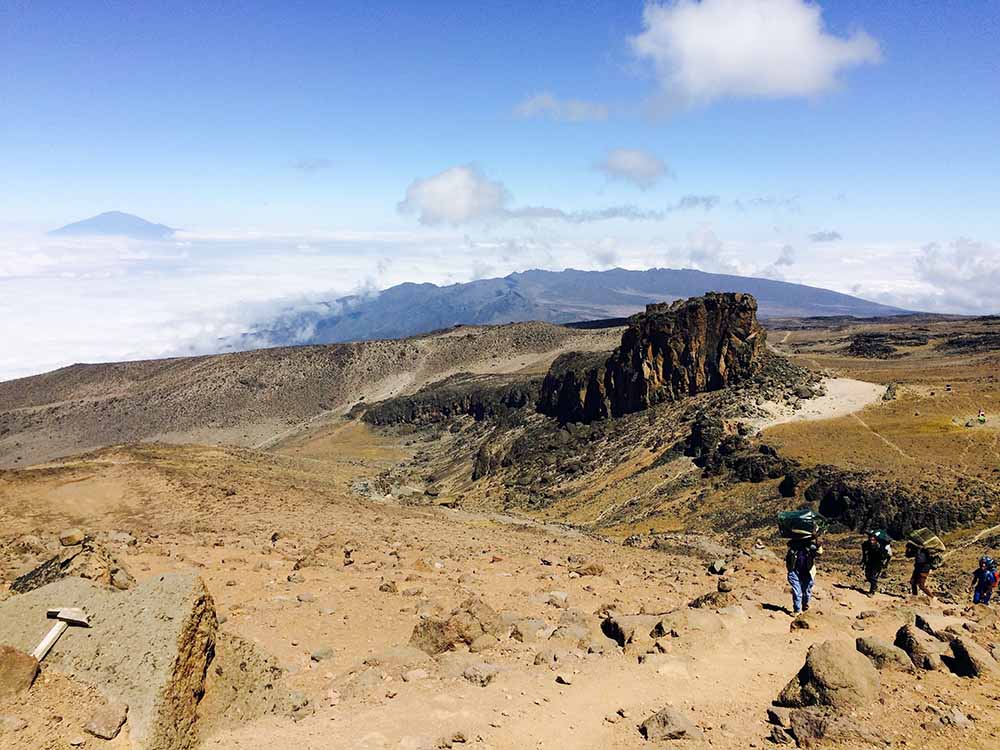
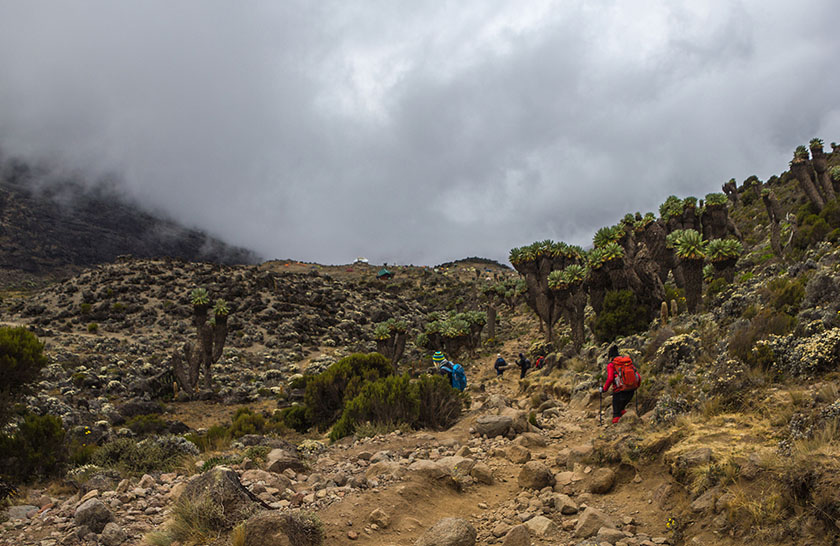
The route starts on the western side of the mountain and crosses the spectacular Shira Plateau before joining the southern trails. Along the way, you travel through rainforest, moorland, volcanic terrain and high-altitude wilderness.

Moreover, most Lemosho itineraries take seven or eight days. Consequently, you gain more time to acclimatize while enjoying several of Kilimanjaro’s ecological zones.

Choose Lemosho if you value scenery, a comfortable pace and a strong balance between adventure and acclimatization.
Kilimanjaro Routes

Machame: One of The Classic Kilimanjaro Routes

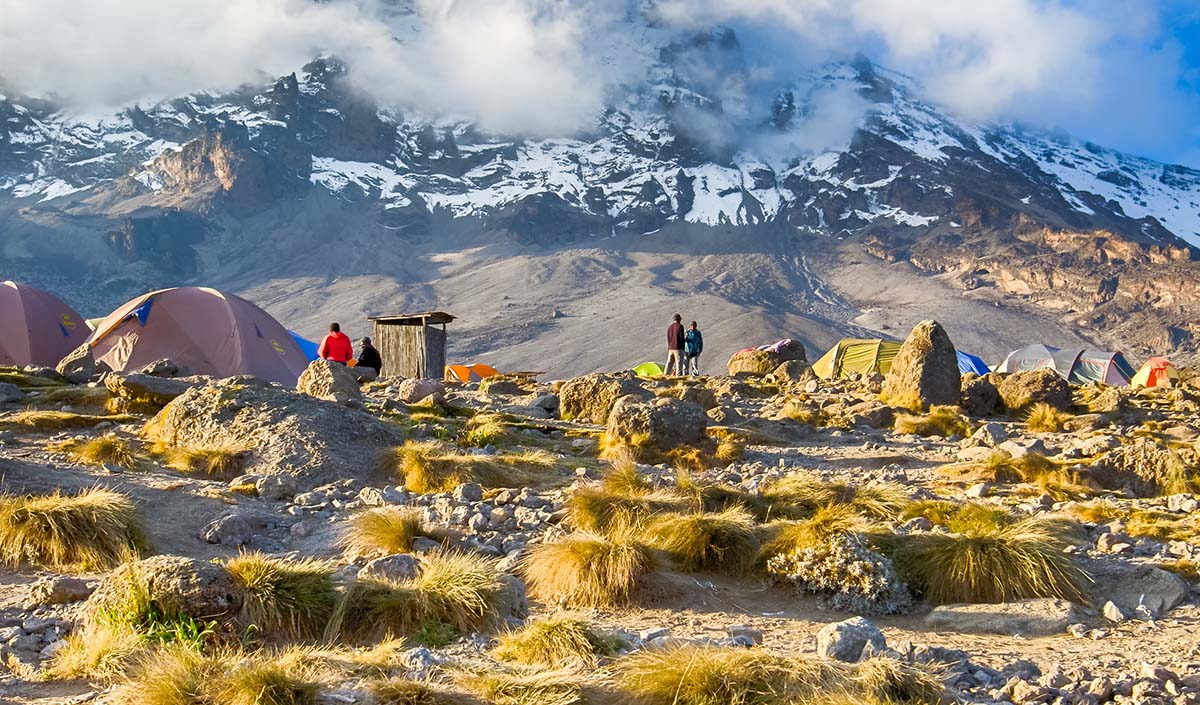
Machame attracts trekkers who want an active and visually dramatic climb. Often called the “Whiskey Route,” it passes through rainforest before crossing the Shira Plateau and continuing toward the impressive Barranco area.

Although Machame includes steeper sections and the famous Barranco Wall, you do not need technical climbing skills. However, its popularity means you may encounter more trekkers during busy periods.

Choose Machame if you enjoy challenging hiking, spectacular landscapes and the atmosphere of a classic mountain adventure.

Northern Circuit: More Time and Fewer Crowds

If you want to experience Kilimanjaro without rushing, consider the Northern Circuit.

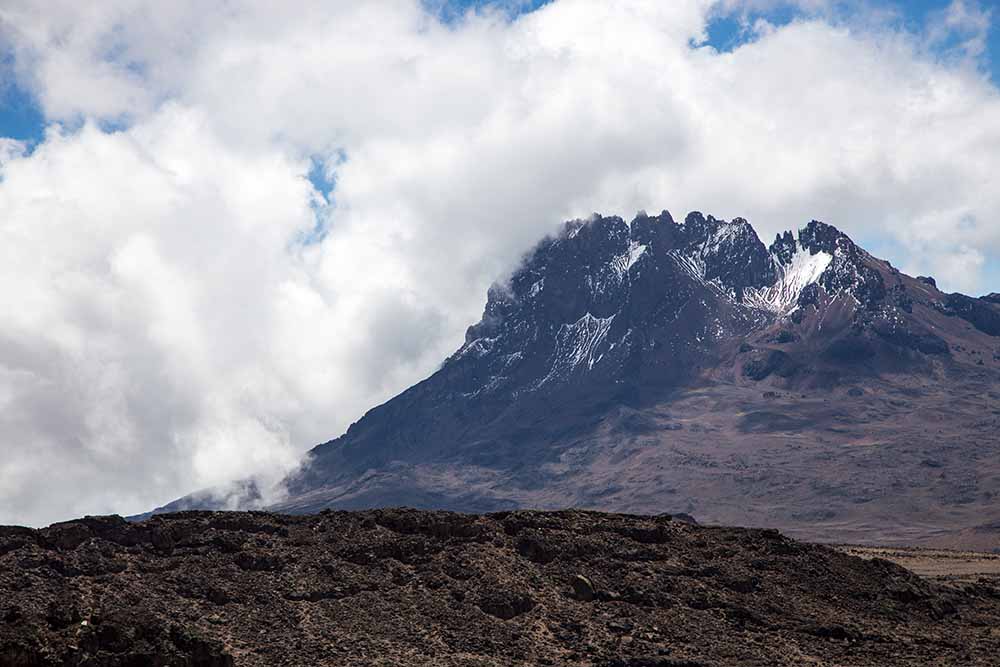
Typically lasting eight or nine days, this route travels around the quieter northern slopes of Kibo. Therefore, it gives you more time to adapt to altitude and explore the mountain. Furthermore, fewer climbers use these northern trails, so the route offers a stronger sense of wilderness.

Choose the Northern Circuit if you prioritize acclimatization, solitude and a slower journey.

Rongai: Discover Kilimanjaro’s Quieter Side

Rongai approaches Kilimanjaro from the north near the Kenyan border. As a result, it offers a noticeably different atmosphere from the busier southern routes.

The northern slopes generally receive less rainfall and attract fewer trekkers. Additionally, the route offers gentler gradients during its earlier stages.

Choose Rongai if you prefer quieter trails, remote landscapes or plan to climb during wetter months.

Marangu: Kilimanjaro with Mountain Huts

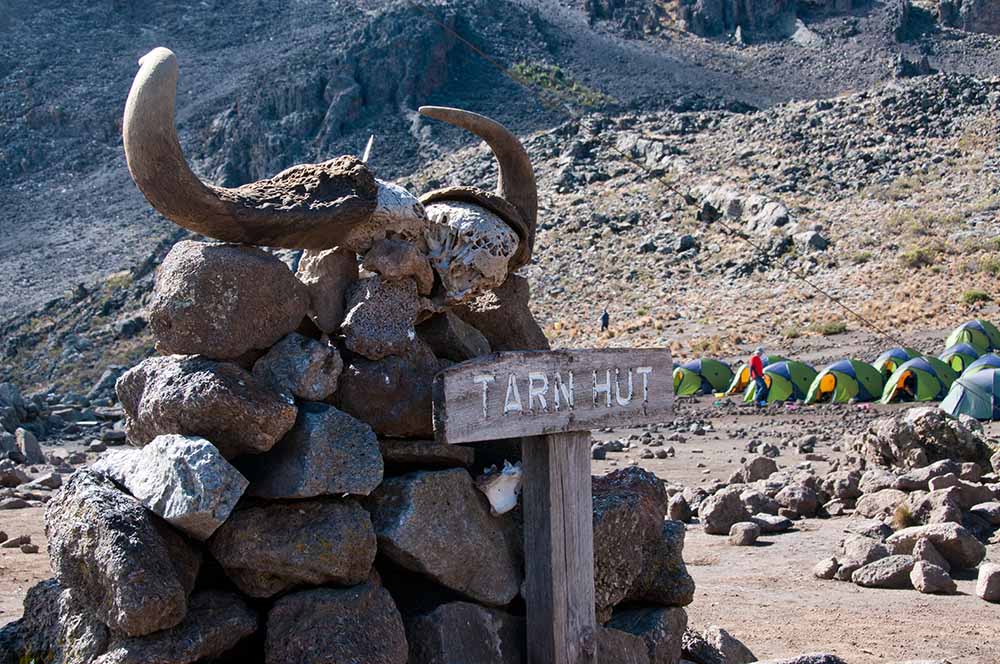
Marangu stands apart because climbers sleep in permanent mountain huts rather than tents. Consequently, it appeals to travelers who prefer a roof and a bed after each day’s trek.

However, don’t assume that a shorter itinerary makes Marangu easier. Shorter climbs give your body less time to acclimatize, so choosing a longer Marangu itinerary can provide a better-paced experience.

Choose Marangu if hut accommodation strongly influences your decision.

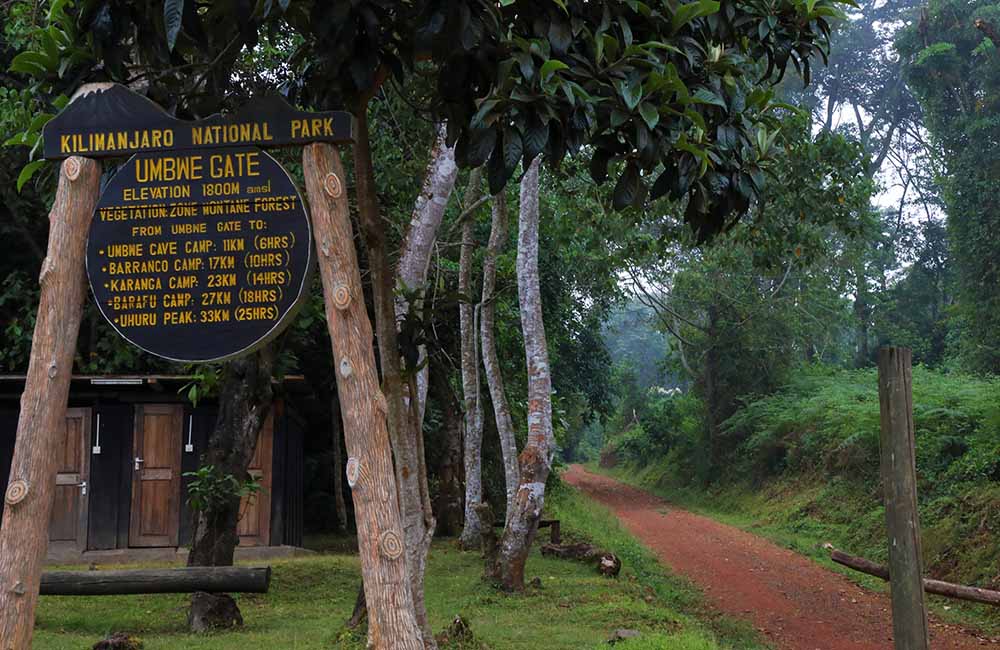
Umbwe: One of the Steeper Kilimanjaro Routes for Experienced Trekkers

Umbwe offers a much more demanding approach. The trail climbs steeply and gains altitude quickly, so it provides fewer opportunities for gradual acclimatization during the early stages.

Therefore, experienced high-altitude trekkers will usually find this route more suitable than first-time climbers.

Choose Umbwe if you already understand high-altitude trekking and want a steeper, quieter challenge.

How to Find Your Ideal Kilimanjaro Route

Ultimately, no single Kilimanjaro route suits everyone. Lemosho offers an excellent all-round experience, while Machame delivers a more adventurous classic climb. Meanwhile, the Northern Circuit rewards travelers with extra time, Rongai offers greater solitude, Marangu provides huts and Umbwe presents a tougher challenge.

Most importantly, consider acclimatization. Altitude creates Kilimanjaro’s greatest challenge, so giving your body enough time to adapt can make your climb more comfortable and improve your overall experience.

Start Your Kilimanjaro Journey with the Right Route

Your Kilimanjaro Experience should reflect your pace, preferences and sense of adventure. Therefore, don’t choose a route simply because it costs less or reaches the summit faster. Instead, choose the journey you genuinely want to experience.

African Big Cats Safaris can help you compare the routes and create a private Kilimanjaro climb around your schedule, experience and travel style. After all, your journey to Uhuru Peak starts long before summit day — and choosing the right route marks the first step.