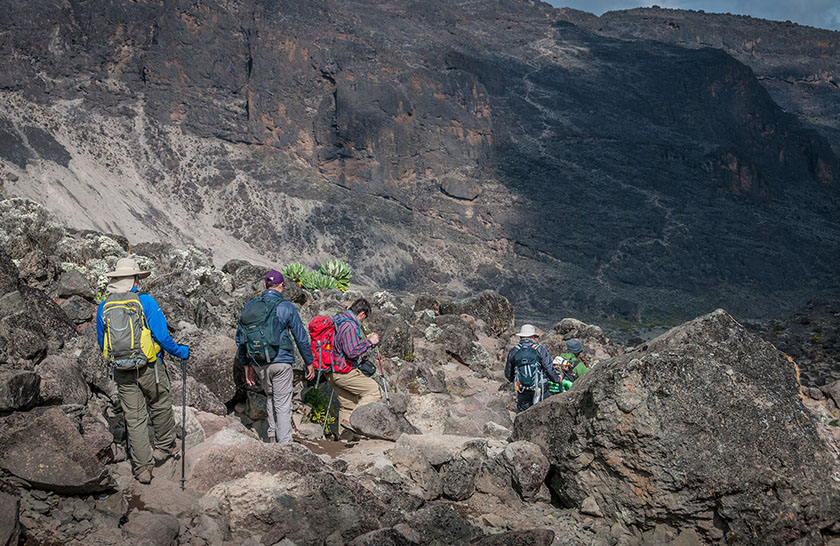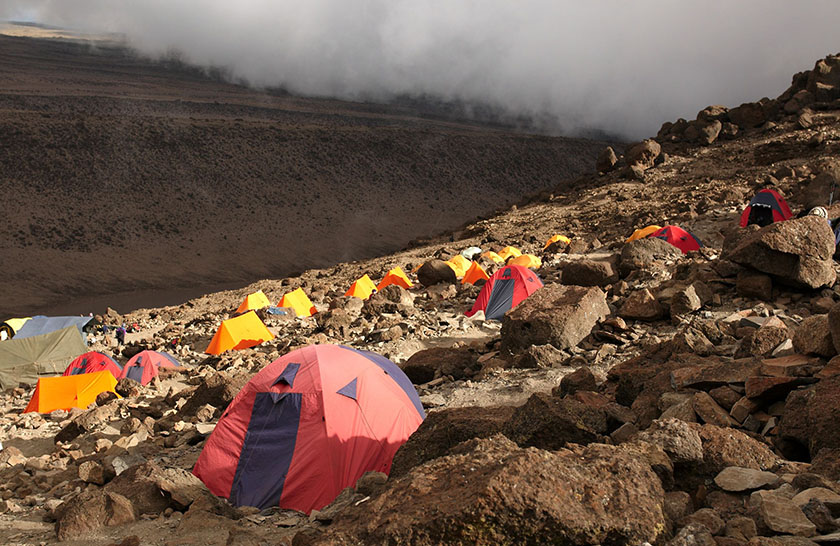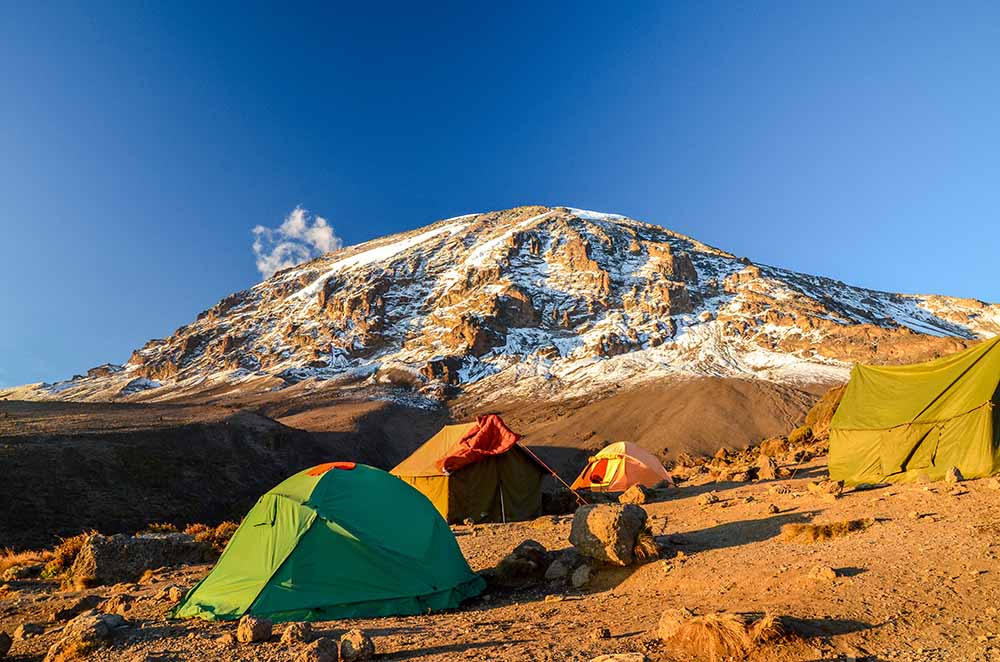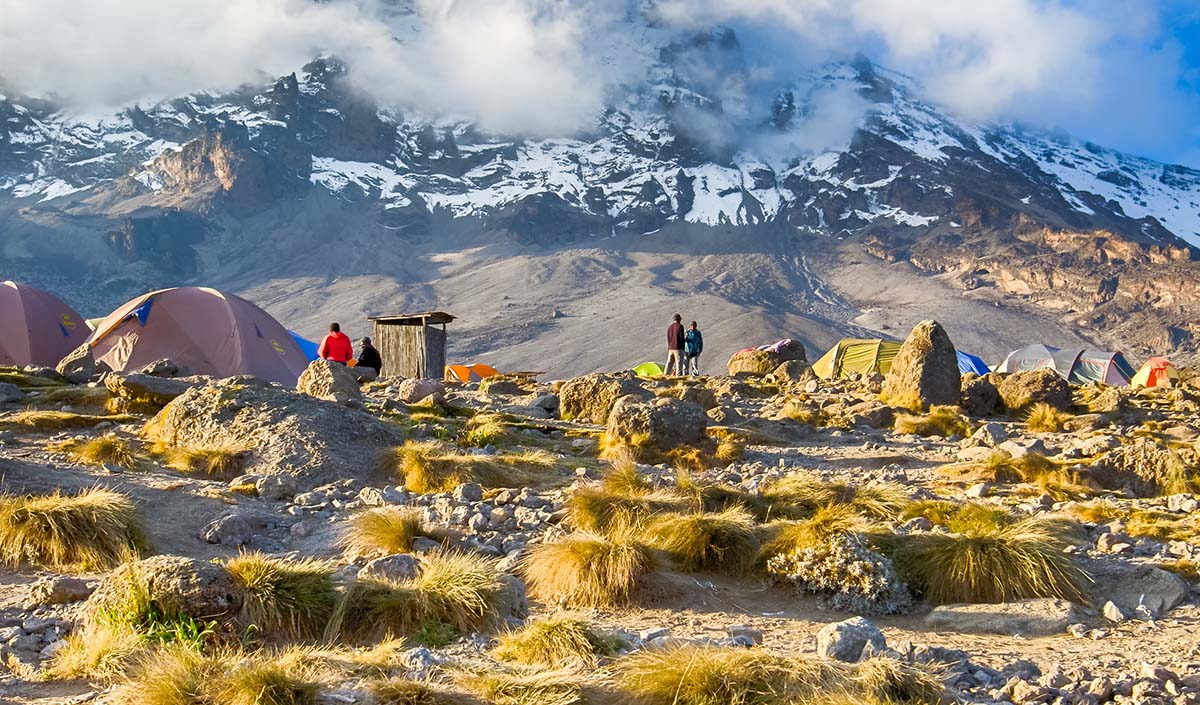
Climbing Mount Kilimanjaro offers an unforgettable adventure through changing landscapes before reaching the spectacular Rooftop of Africa.
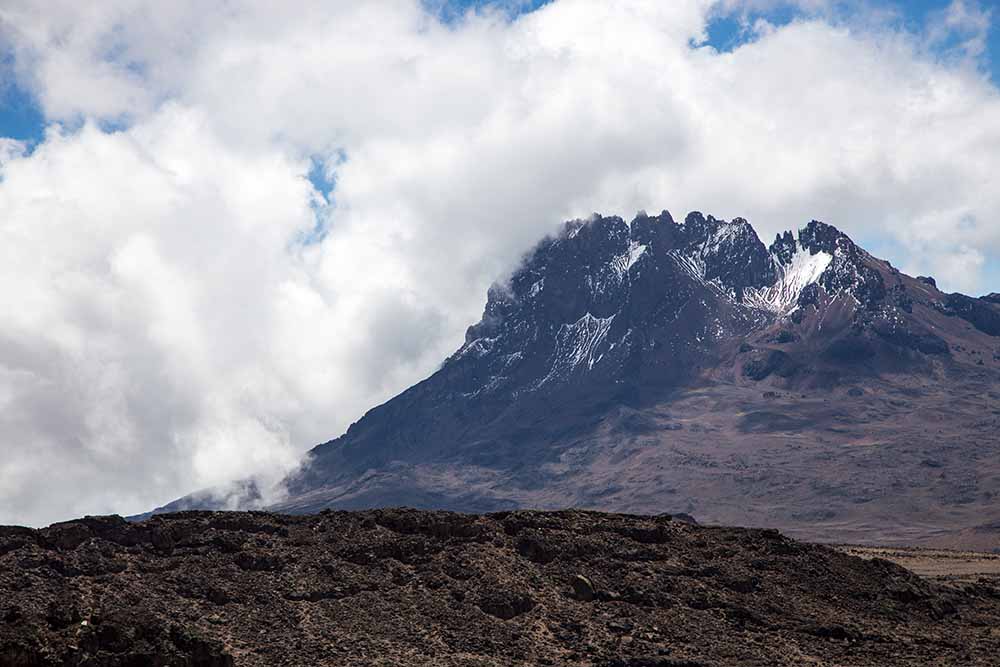
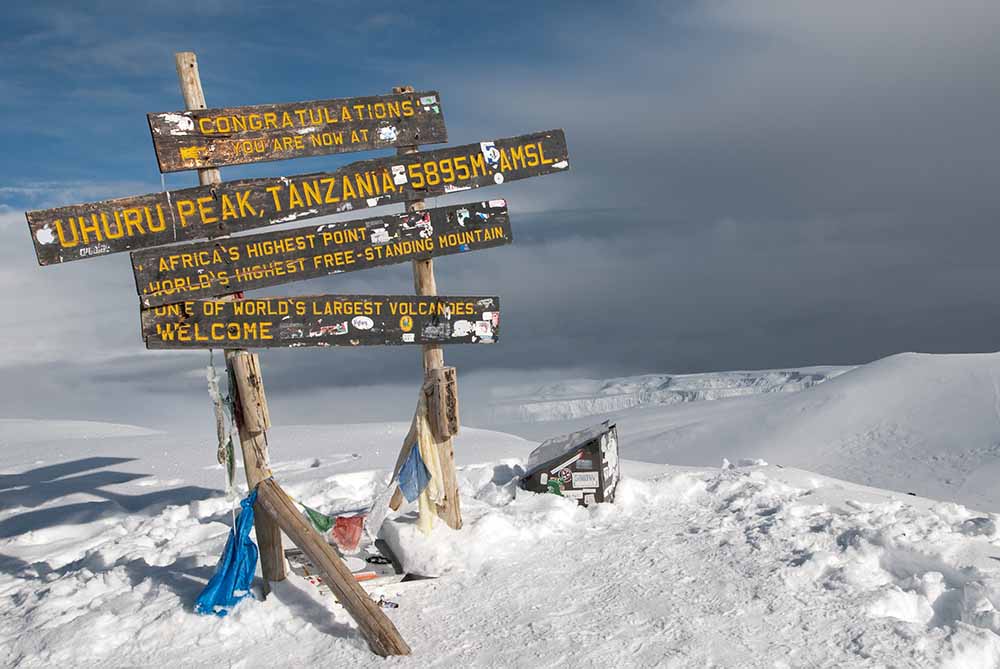
Mount Kilimanjaro rises 5,895 metres above Tanzania and offers one of Africa’s most remarkable trekking adventures. Unlike technical mountains, Kilimanjaro allows prepared trekkers to reach Africa’s highest point without advanced mountaineering skills.
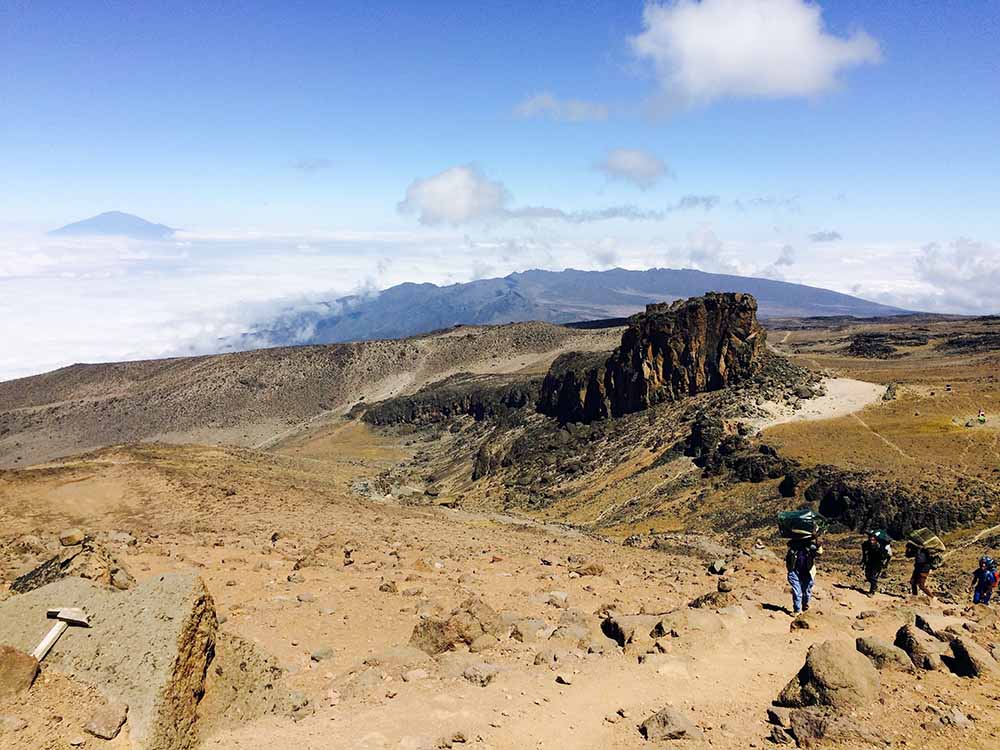
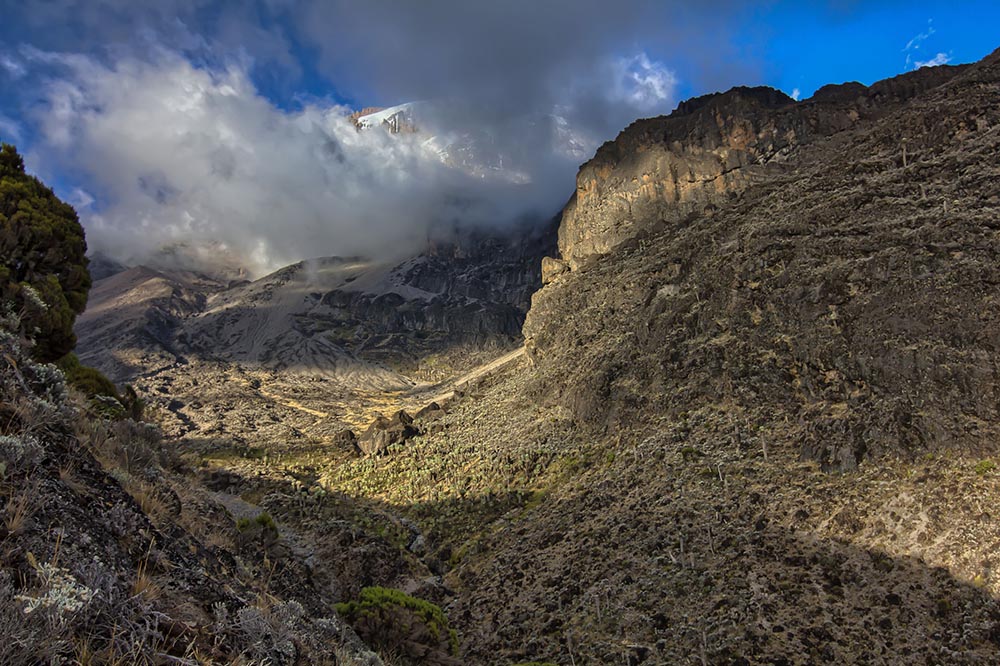
However, reaching Uhuru Peak still demands preparation, patience, and respect for altitude. During the journey, climbers cross rainforest, moorland, alpine desert, and finally the dramatic high-altitude summit zone.
Therefore, choosing the right route, schedule, equipment, and professional mountain team can significantly improve your overall Kilimanjaro experience.
How Difficult Is Climbing Mount Kilimanjaro?
Although Kilimanjaro requires no technical climbing on standard routes, you should never underestimate the physical challenge. Instead, altitude usually creates the greatest difficulty because oxygen levels decrease steadily as you climb higher.
Consequently, your body needs enough time to acclimatize before attempting the summit. Longer routes generally provide better opportunities for gradual adjustment than short, rushed itineraries.
Good physical preparation also helps considerably. Regular hiking, cardiovascular training, hill walking, stair climbing, and leg strengthening can prepare you for demanding trekking days.