
June 1, 2026 By Bigcats Comments are Off Africa, big five, elephant, lion, Safari, Tanzania
Big Five Origin traces back to early African hunters who used it to describe the five most difficult and dangerous animals to track and hunt on foot.
The Big Five are among the most famous animals in Africa. Travelers from around the world dream of seeing them during a safari, and many consider a Big Five safari one of the ultimate wildlife experiences. However, few people know how the term originated or why these five species became so important.
Today, the Big Five symbolize wildlife conservation, photography, as well as the incredible biodiversity of Africa. Yet their story began during a very different era.
Where Did the Big Five Origin Come From?
The phrase “Big Five” emerged during the early years of African exploration and safari. Professional hunters used it to describe the five most difficult and dangerous animals to track and hunt on foot.
The classification was never based solely on size. Instead, it reflected the challenge, skill, patience, and courage required to approach these animals in the wild. Many could become highly unpredictable when threatened, making them particularly dangerous encounters.
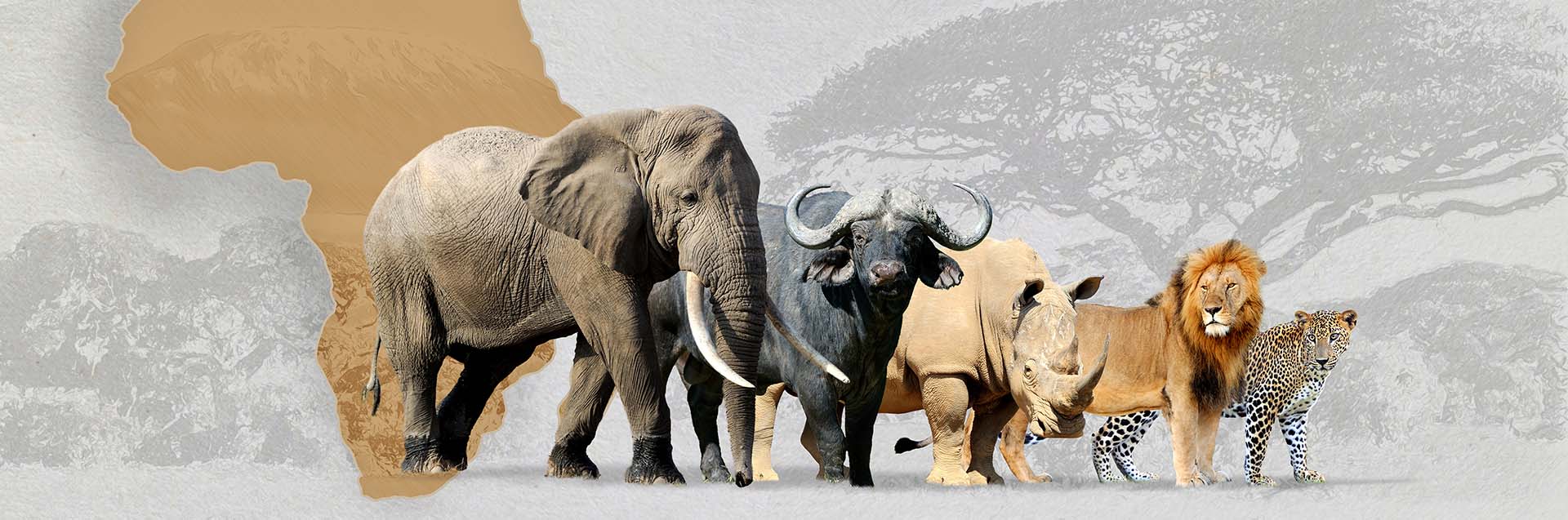
The original Big Five include:
- Lion
- Leopard
- African Elephant
- Rhinoceros
- African Buffalo
While the term originated in the hunting industry, its meaning has changed significantly over time. Modern safaris focus on wildlife viewing, photography, conservation, and education rather than hunting.
Today, spotting the Big Five represents one of Africa’s greatest wildlife achievements.
The Lion: Africa’s Most Famous Predator
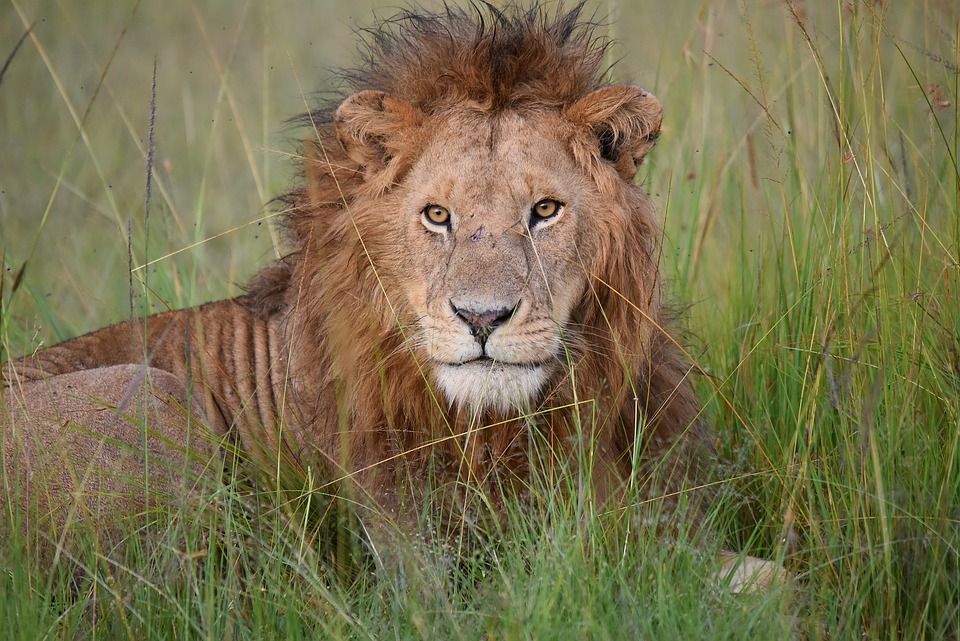
Few animals capture the imagination like the lion. Often referred to as the King of the Jungle, lions have become one of the most recognizable symbols of Africa.
Their powerful build, social structure, and unmistakable roar make every sighting memorable. Unlike many large predators, lions live in prides, creating fascinating opportunities to observe family interactions, territorial behavior, and cooperative hunting strategies.
Watching a pride resting beneath an acacia tree or seeing cubs play in the grasslands remains one of the highlights of any African safari.
For many visitors, the first lion sighting marks the moment when a safari becomes a truly unforgettable experience.
The Leopard: Africa’s Master of Stealth
Leopards are among the most elusive animals in Africa. Their secretive nature, exceptional camouflage, and solitary lifestyle make them one of the most challenging members of the Big Five to find.
Unlike lions, leopards prefer to spend much of their time alone. They often rest in trees during the day and become more active during the cooler hours of morning and evening.
A leopard sighting feels different from most wildlife encounters. Rather than simply observing an animal, visitors often experience the thrill of discovering a hidden predator perfectly adapted to its environment.
Because of their rarity and mysterious behavior, leopard sightings are often considered among the most rewarding moments on safari.
The African Elephant: The Gentle Giant of Big Five Origin
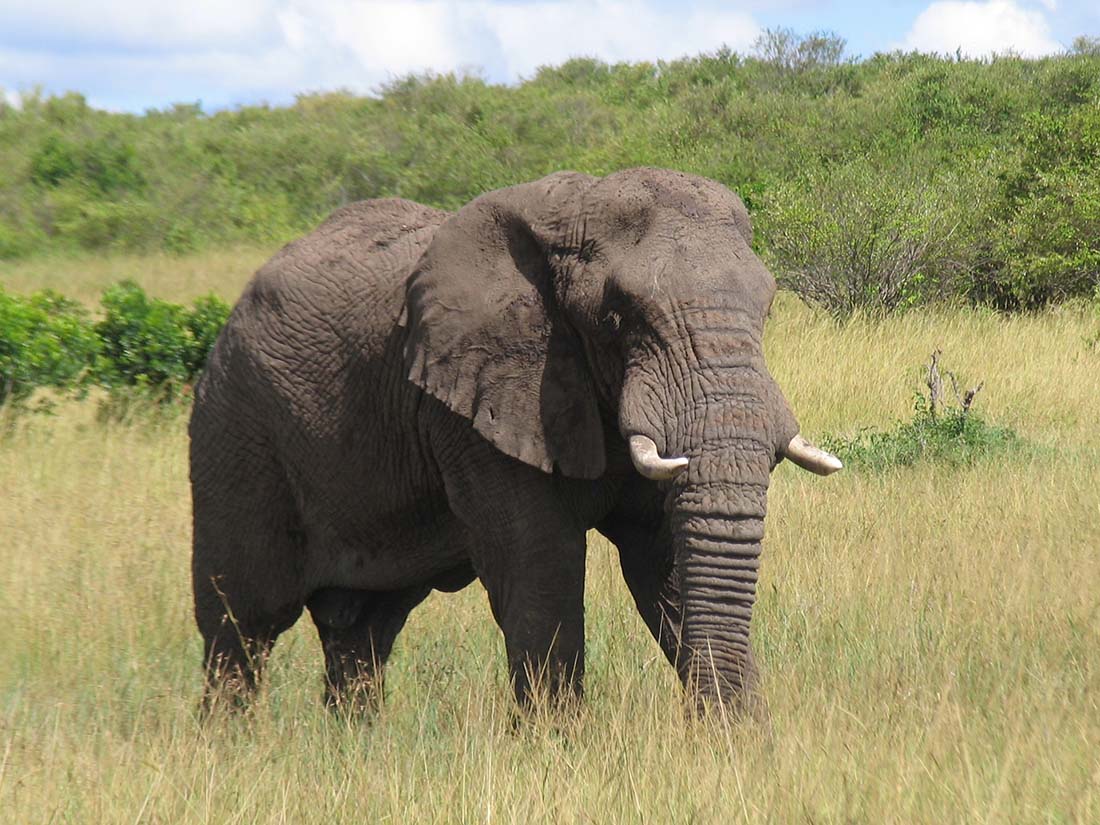
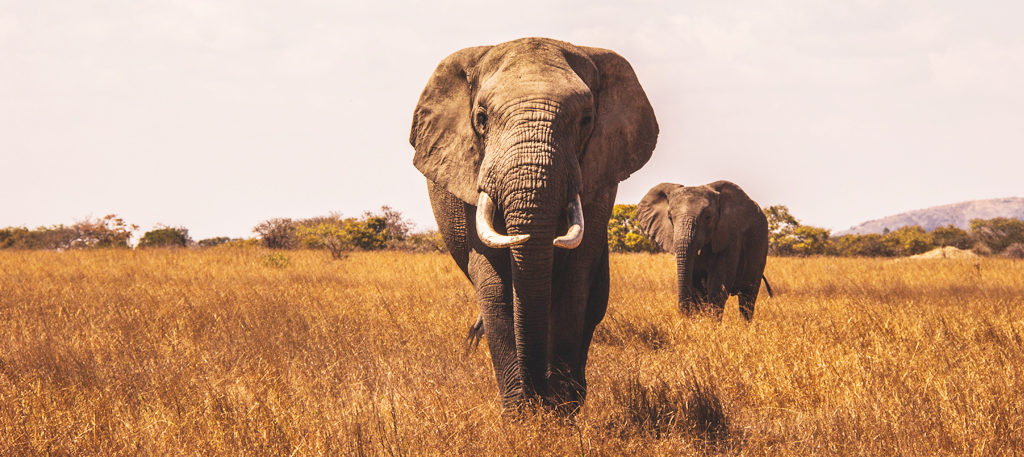
The African elephant is the largest land mammal on Earth and one of the continent’s most beloved species.
Despite their immense size and strength, elephants are widely admired for their intelligence, strong family bonds, and emotional complexity. Herds are typically led by experienced matriarchs who guide family members across vast landscapes in search of food and water.
Watching elephants interact reveals remarkable social behavior. They communicate through sounds, body language, and even low-frequency vibrations that travel across long distances.
Their combination of power, wisdom, and gentleness makes them one of the most inspiring animals to encounter in the wild.
The Rhinoceros: A Symbol of Conservation
Rhinos represent one of Africa’s greatest conservation success stories as well as one of its biggest challenges.
Decades of poaching have dramatically reduced rhino populations throughout the continent. As a result, every rhino sighting has become increasingly meaningful for travelers and conservationists alike.
Seeing a rhino in its natural habitat offers more than just an exciting wildlife encounter. It also serves as a reminder of the importance of protecting endangered species and preserving Africa’s natural heritage for future generations.
Many safari destinations continue to invest heavily in anti-poaching efforts and conservation programs to secure a future for these remarkable animals.
The African Buffalo: The Most Underrated Member of the Big Five
Among the Big Five, the African buffalo often receives the least attention from first-time safari visitors. However, experienced guides and wildlife experts know that buffalo deserve enormous respect.
These powerful animals live in large herds that can number hundreds or even thousands of individuals. Their strong social structure and unpredictable behavior contributed to their reputation among early hunters.
Buffalo are highly adaptable and play an important role within African ecosystems. Observing a massive herd moving across the savannah provides a spectacular display of strength, cooperation, and survival.
While they may not enjoy the same popularity as lions or elephants, buffalo remain one of the most impressive animals in Africa.
Our Luxury Safari programs




The Big Five Are More Than a Safari Checklist
Modern travelers often view the Big Five as a collection of animals to find during a safari. However, their significance extends far beyond a simple checklist.
Each species plays a vital role within its ecosystem. Together, they represent the diversity, complexity, and beauty of African wildlife.
Understanding their behavior, ecological importance, and conservation challenges creates a far deeper safari experience than simply counting sightings.
The Big Five Origin outgrows its iconic animals. They are ambassadors for conservation and symbols of Africa’s extraordinary natural heritage.
Beyond the Big Five Origin
Although the Big Five remain a major attraction, Africa’s wildlife extends far beyond these famous species.
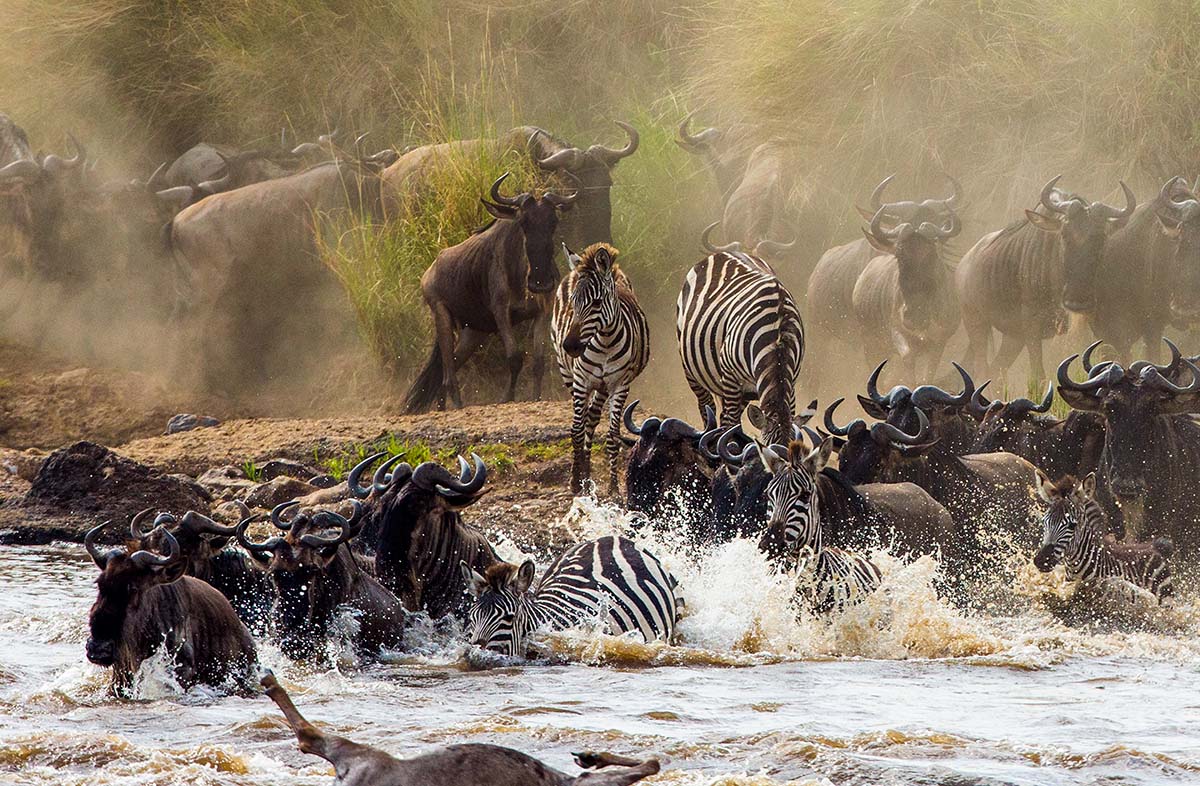
Many experienced safari travelers discover that some of their most memorable encounters involve animals outside the traditional Big Five list. Cheetahs, giraffes, zebras, hippos, crocodiles, African wild dogs, hyenas, antelope species, and thousands of birds all contribute to the richness of the safari experience.
East Africa alone supports an astonishing variety of wildlife across its national parks, conservation areas, wetlands, forests, and savannahs.
The Big Five may inspire the journey, but the entire ecosystem creates the magic.
Experience the Big Five on an African Safari
A safari with African Big Cats Safaris offers far more than wildlife sightings. It provides an opportunity to understand nature, conservation, and the interconnected relationships that sustain Africa’s ecosystems.
Whether you encounter a lion resting beneath an acacia tree, a leopard hidden among branches, an elephant herd crossing the plains, a rhino grazing quietly, or a buffalo herd stretching across the horizon, each sighting tells part of Africa’s remarkable story.
Understanding the Big Five Origin helps explain why these iconic animals remain at the heart of African safaris, representing the wildlife heritage, natural beauty, and conservation legacy that make Africa one of the world’s most extraordinary travel destinations.