African Big Cats Safaris

White Rhinos in Ngorongoro: Story behind Tanzania Conservation Initiative

White Rhinos in Ngorongoro initiative marks an exciting new chapter in Tanzania’s efforts to protect threatened wildlife and strengthen long-term rhino conservation.

Something remarkable is happening in northern Tanzania. For generations, the Ngorongoro Crater has ranked among Africa’s most extraordinary wildlife destinations, supporting lions, elephants, buffalo, hippos, and the critically endangered black rhino. However, Tanzania has now added a new chapter to Ngorongoro’s conservation story: southern white rhinos have arrived in the wider Ngorongoro Conservation Area.

Rather than simply introducing another iconic animal for safari visitors to see, conservationists designed the initiative to support the long-term survival of white rhinos, strengthen scientific research, expand conservation education, and establish a genetically diverse breeding population in Tanzania.

White Rhinos Arrive in Tanzania

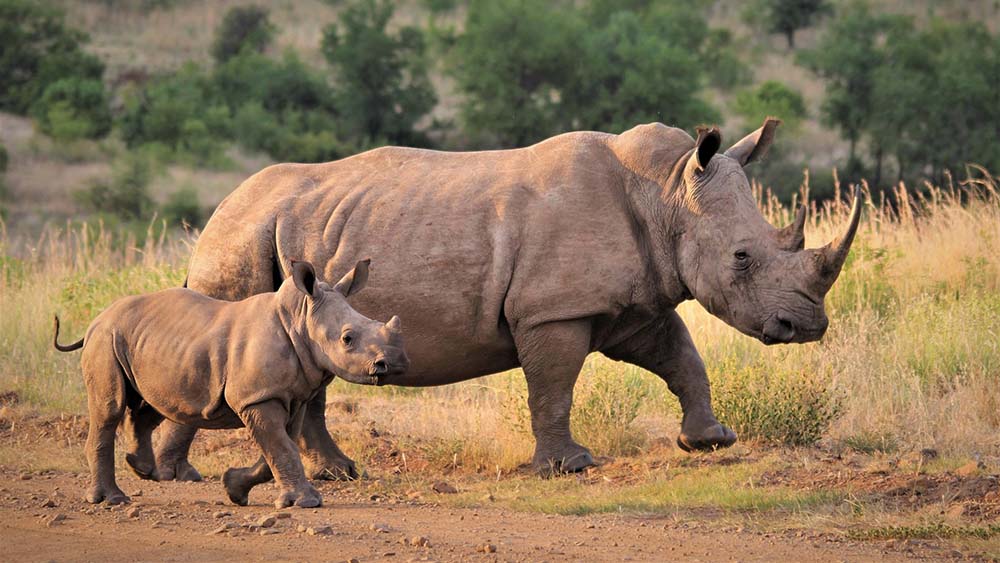
In March 2025, 18 southern white rhinos arrived in Tanzania from South Africa through a planned conservation translocation. Munywana Conservancy in KwaZulu-Natal donated the animals, while Tanzania’s Ministry of Natural Resources and Tourism, the Ngorongoro Conservation Area Authority, South African conservation partners, and andBeyond collaborated on the operation.

Then, in June 2026, the project reached another major milestone when conservation teams released 17 white rhinos from protected holding areas into the wider Ngorongoro Conservation Area. Consequently, the initiative moved from introduction and acclimatization toward long-term conservation management.
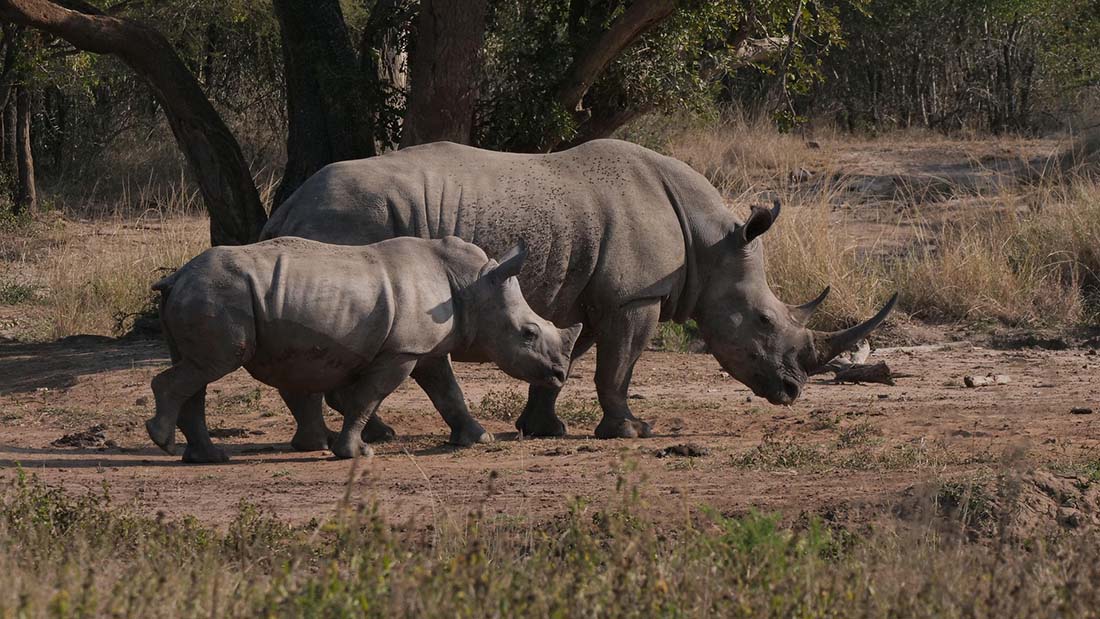
White Rhinos in Ngorongoro

Why Introduce White Rhinos to Tanzania?

White rhinos continue to face serious threats, particularly from poaching driven by illegal demand for rhino horn. Although South Africa supports the world’s largest white rhino population, persistent poaching creates significant conservation challenges. Therefore, establishing secure populations in additional protected areas could make the species more resilient over the long term.

Essentially, conservationists aim to reduce the risks that come with concentrating too many animals in relatively few locations. As a result, the Ngorongoro project forms part of a broader strategy to strengthen the future of white rhino conservation.

Why Ngorongoro Conservation Area?

Ngorongoro already has decades of experience protecting rhinos. In particular, conservation teams have protected black rhinos through intensive monitoring and anti-poaching programs.

Moreover, the area offers extensive grasslands, reliable water, suitable habitat, and established conservation infrastructure. Before introducing the white rhinos, wildlife authorities also assessed environmental, climatic, and disease-related factors. Their findings supported the area’s suitability for the animals.

Therefore, Ngorongoro offers not only habitat but also the security and conservation expertise necessary for such an ambitious project.

White Rhinos in Ngorongoro

White Rhinos in Ngorongoro: More Than a New Safari Attraction

Although safari travelers may naturally feel excited about seeing white rhinos in Tanzania, the project reaches far beyond tourism.

For example, researchers can study how the rhinos adapt to their new environment. Meanwhile, conservationists can monitor their behavior and breeding patterns. Furthermore, students can learn about large-mammal conservation through practical research and observation.

Consequently, the project creates opportunities for scientific research, conservation education, wildlife monitoring, and international knowledge sharing.

White Rhinos and Black Rhinos in Ngorongoro

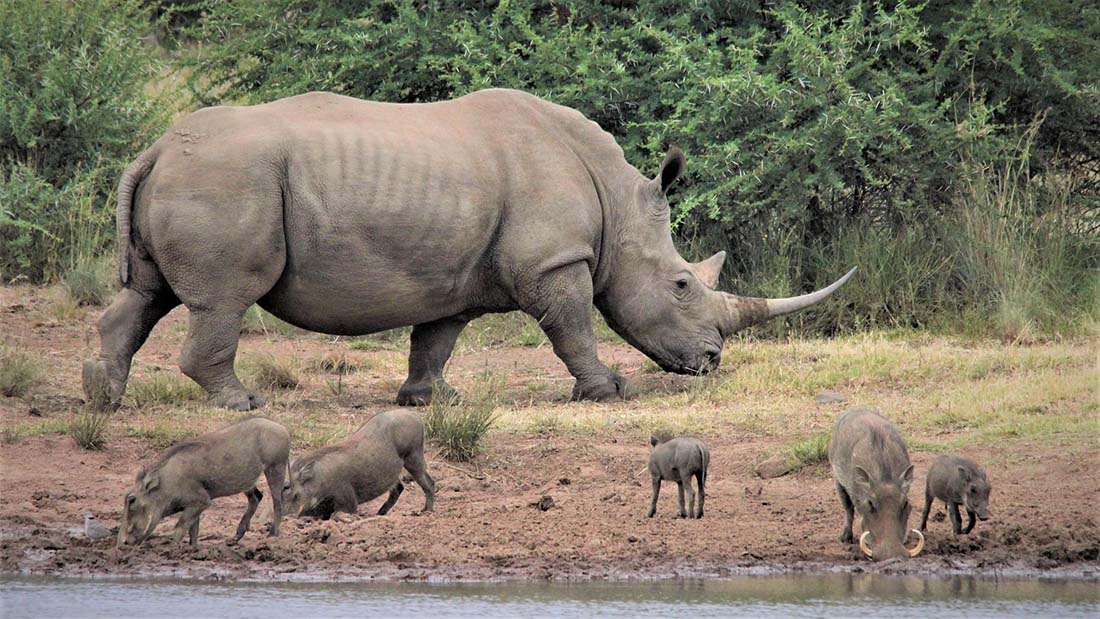
Importantly, travelers should understand the difference between Ngorongoro’s rhinos. The area traditionally protects black rhinos, whereas the newly introduced animals are southern white rhinos.

These species have different characteristics and ecological histories. Moreover, southern white rhinos do not form part of Tanzania’s contemporary native range. Therefore, UNESCO and IUCN have called for careful consideration of ecological, disease, social, tourism, and security implications surrounding the introduction.

This distinction makes the initiative especially significant because conservationists are exploring a modern strategy for strengthening the future of a threatened species rather than simply restoring a historical population.

What White Rhinos Mean for Ngorongoro Safaris

For visitors, Ngorongoro already provides one of Africa’s most remarkable wildlife experiences. Seeing a black rhino crossing the crater floor remains one of East Africa’s most treasured safari sightings. Now, white rhinos add another fascinating dimension.

However, their greatest significance extends beyond wildlife viewing. Visitors can now experience a landscape where researchers, conservationists, and wildlife authorities actively explore new approaches to species protection. In this sense, a Ngorongoro safari can offer a window into conservation in action.

A New Chapter for Rhino Conservation in Tanzania

Ultimately, conservationists will measure the project’s success over many years. The rhinos must adapt, reproduce, and eventually establish a healthy, genetically diverse population. Therefore, patience, scientific research, protection, monitoring, and international cooperation will remain essential.

At African Big Cats Safaris, we believe safari experiences should help travelers understand not only Africa’s wildlife but also the conservation stories behind it.

Ngorongoro already stands among Africa’s greatest natural wonders. Now, Tanzania’s white rhino initiative adds an entirely new conservation story to this extraordinary landscape and, ultimately, offers another opportunity to strengthen the future of one of Africa’s most iconic animals.