
May 20, 2026 By Bigcats Comments are Off ant lion, buffalo weaver, elephant shrew, leopard tortoise, rhinoceros beetle, Tanzania
The Little Five of East Africa reveal a fascinating side of safari travel that many visitors overlook while searching for the famous Big Five.
Most safari travelers arrive in East Africa hoping to see the famous Big Five. Lions, elephants, leopards, rhinos, and buffalo dominate wildlife documentaries, safari brochures, and travel photography across the world.
However, Africa’s wilderness holds far more than large mammals and dramatic predators. Hidden beneath grasses, inside riverbanks, and among scattered acacia trees lives another fascinating group of animals known as the Little Five.
Although these creatures rarely attract attention from safari vehicles, they reveal an entirely different side of African wildlife. Consequently, travelers who notice them often enjoy deeper and more rewarding safari experiences.
What Are the Little Five?
The Little Five consist of five smaller species whose names cleverly connect to the famous Big Five animals. This unique wildlife group includes the ant lion, elephant shrew, buffalo weaver, leopard tortoise, and rhinoceros beetle.
Despite their tiny size, these animals play important ecological roles throughout East Africa’s diverse ecosystems. Moreover, each species demonstrates remarkable survival skills, adaptation strategies, and natural behavior patterns.
Many safari guests initially overlook these creatures completely. Nevertheless, once guides introduce travelers to the Little Five, wildlife viewing becomes significantly more engaging and detailed.
The Little Five of East Africa: The Ant Lion Uses Patience and Precision
The ant lion may look harmless at first glance, yet it ranks among nature’s most effective miniature predators.
Its larvae dig cone-shaped traps in sandy ground before hiding beneath the surface patiently. Once an ant slips into the trap, the ant lion attacks quickly and efficiently.
Interestingly, this hunting method closely resembles the patience and strategy associated with larger African predators. Therefore, the ant lion truly earns its dramatic name through behavior rather than size alone.
Elephant Shrews Move Through the Bush With Incredible Speed
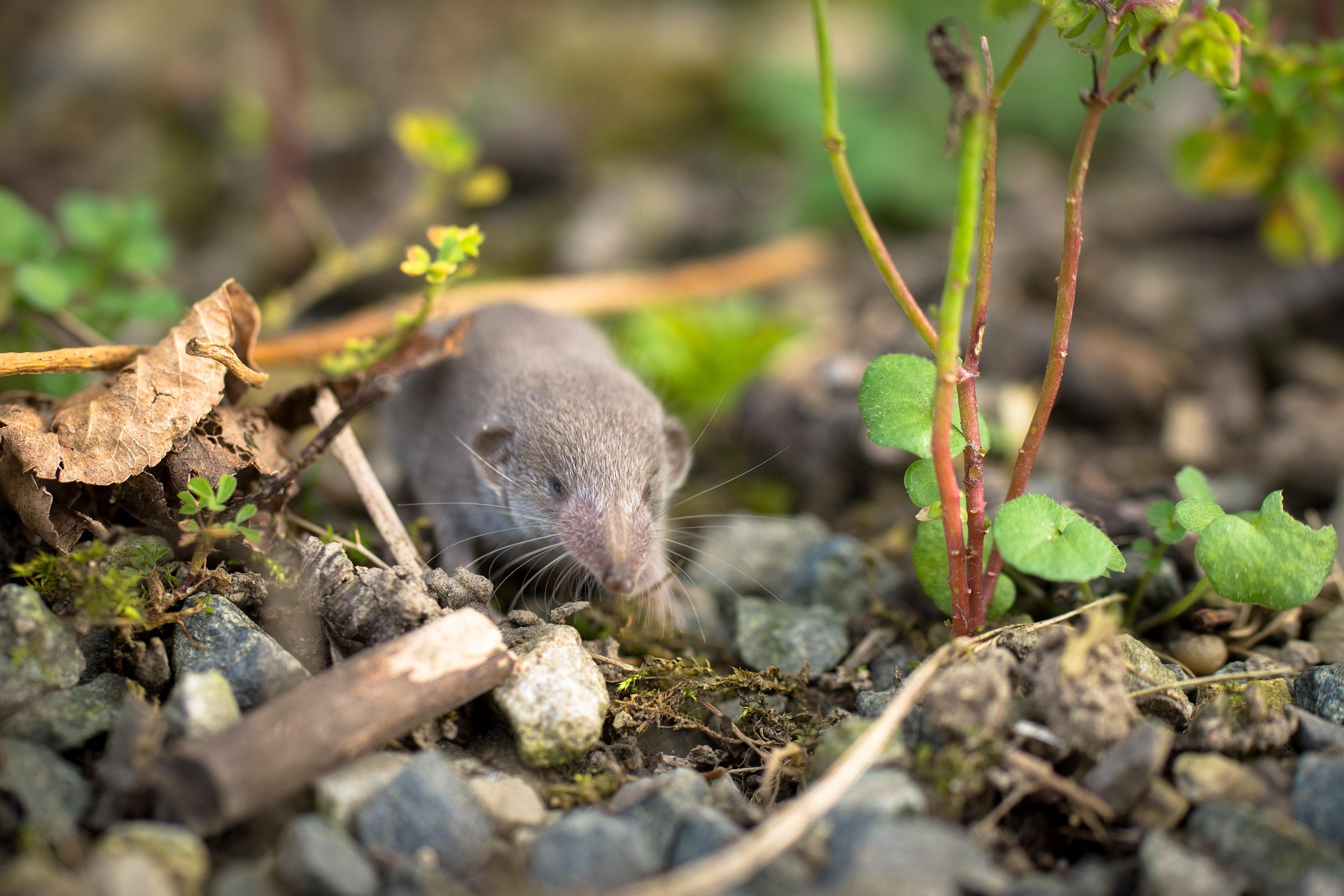
The elephant shrew stands out immediately because of its long, flexible nose resembling a miniature elephant trunk.
Unlike slow-moving rodents, elephant shrews travel through vegetation with remarkable speed and agility. Additionally, their energetic behavior makes sightings both exciting and memorable during nature walks or game drives.
These tiny animals often appear briefly before disappearing back into dense cover. As a result, spotting one feels like discovering a hidden secret within the African wilderness.
The Little Five of East Africa: Buffalo Weavers Build Some of Africa’s Most Impressive Nests
Buffalo weavers showcase teamwork, persistence, and remarkable construction abilities across East Africa.
These birds create large woven nests using branches, grass, and natural materials collected carefully from surrounding habitats. Some nests survive for years because buffalo weavers constantly maintain and strengthen them.
Much like buffalo herds, these birds thrive through cooperation and social structure. Consequently, observing buffalo weavers offers valuable insight into the interconnected nature of African ecosystems.
Leopard Tortoises Reveal the Beauty of Slow Safari Moments
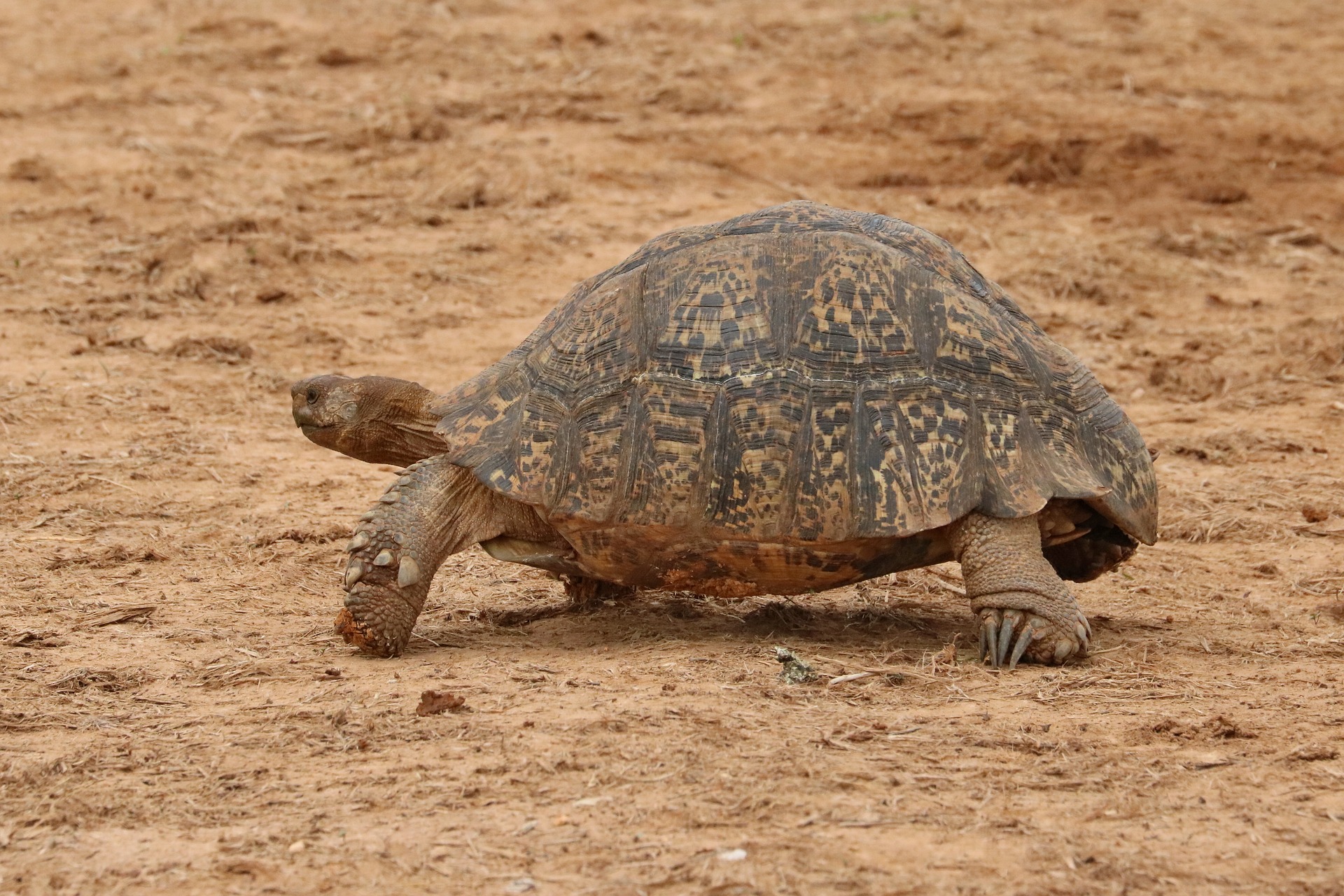
Leopard tortoises carry beautifully patterned shells that resemble leopard markings closely. However, unlike their fast-moving feline namesake, these tortoises move slowly and peacefully through grasslands and bush areas.
Their calm presence reminds travelers that safari experiences do not always require action or speed. Sometimes, quiet wildlife encounters leave the strongest impressions.
Watching a leopard tortoise crossing open ground often encourages travelers to slow down and appreciate smaller details within nature.
Rhinoceros Beetles Demonstrate Extraordinary Strength
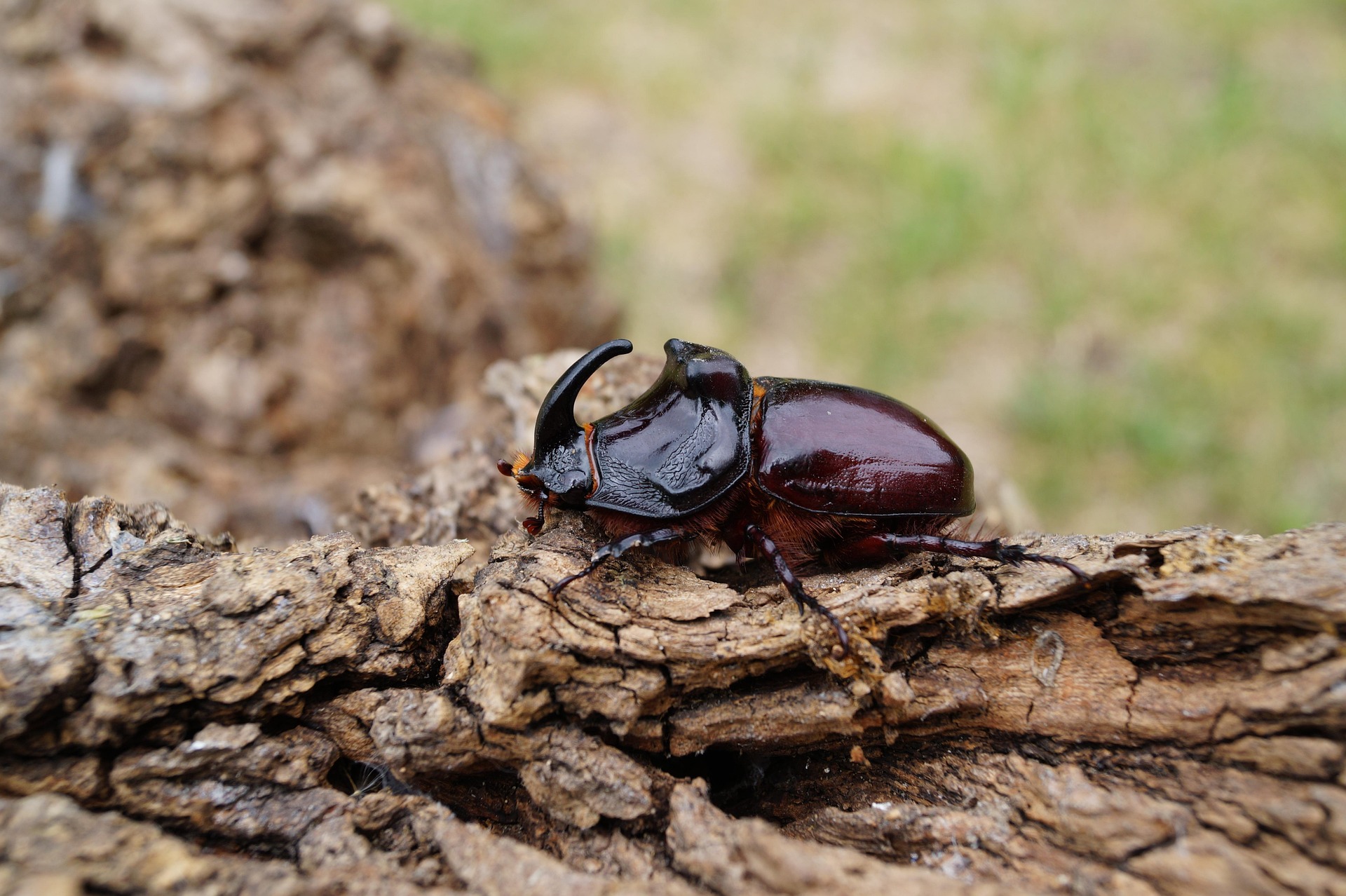
Rhinoceros beetles may appear small, but they possess impressive strength compared to their body size.
Their horn-like structures immediately explain the connection to African rhinos. Furthermore, these insects can carry objects many times heavier than themselves, making them among nature’s strongest tiny creatures.
East Africa’s wilderness constantly proves that size alone does not determine power or importance within an ecosystem.
Our Luxury Safari programs




The Little Five of East Africa: Safari Experiences Become Richer Through Observation
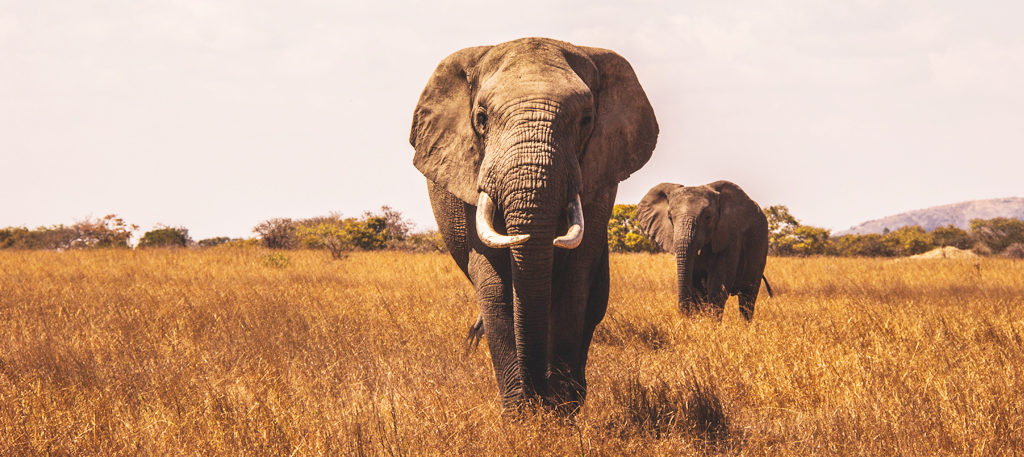
Many travelers focus entirely on locating the Big Five during safari adventures. While these iconic animals certainly deserve attention, the surrounding wildlife creates equally fascinating stories throughout the journey.
Birds, insects, reptiles, and smaller mammals add depth and complexity to every game drive. Therefore, learning to notice these creatures transforms safari from simple sightseeing into meaningful exploration.
Experienced African Big Cats Safaris guides understand this balance clearly. Instead of chasing only famous animals, they help travelers appreciate the full diversity of East Africa’s landscapes.
The Little Five Reveal a Different Side of Africa
The Little Five encourage travelers to observe nature more carefully and patiently. Gradually, safari guests begin noticing movement in the grass, unusual sounds in trees, and hidden wildlife activity previously ignored.
This shift changes the entire safari experience completely.
Suddenly, every corner of the bush feels alive with discovery and possibility.
East Africa’s smallest creatures often leave the biggest impressions because they remind travelers that nature’s magic exists everywhere, not only in dramatic wildlife sightings.