
May 18, 2026 By Bigcats Comments are Off conservation, East Africa Safaris, responsible tourism, safari guides, Tanzania safaris, wildlife
Responsible Safari Guiding protects wildlife, improves guest experiences, and supports long-term conservation across Tanzania’s national parks.
Every safari traveler dreams about unforgettable wildlife encounters. Lions resting beneath acacia trees, elephants crossing open plains, and cheetahs scanning distant horizons create moments that stay with visitors forever. However, exceptional safari experiences depend on far more than wildlife sightings alone.
Professional safari guides shape every moment in the bush. Their decisions influence animal behavior, guest safety, conservation efforts, and the overall quality of the safari itself. Consequently, responsible safari guiding has become one of the most important elements of sustainable tourism in Tanzania.
Ethical Safari Guiding Protects Wildlife First
Experienced safari guides understand that wildlife welfare always comes before photography or close encounters. Therefore, ethical guides focus on creating respectful experiences rather than aggressive wildlife approaches.
Professional guides maintain safe distances, avoid blocking animal movement, and observe behavior patterns carefully before positioning safari vehicles. As a result, animals continue behaving naturally without unnecessary stress or disturbance.
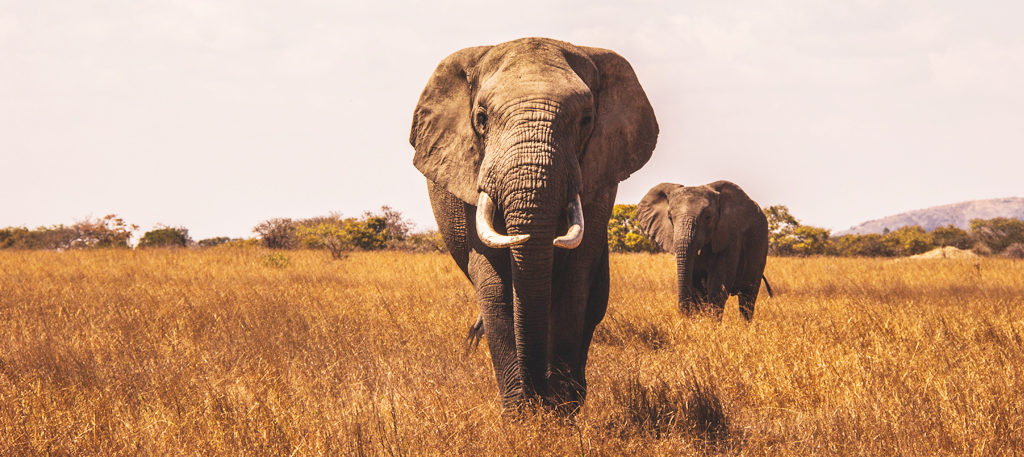
Many travelers initially believe closer always means better. In reality, respectful wildlife viewing often creates far more authentic safari moments. Calm elephants interacting naturally or lions resting peacefully provide deeper experiences than rushed encounters caused by pressure from vehicles.
Responsible Safari Guiding: Great Safari Guides Read Animal Behavior Constantly
African Big Cats Safaris guides do much more than locate wildlife. Instead, they continuously study animal behavior, environmental signals, and changing movement patterns throughout every game drive.
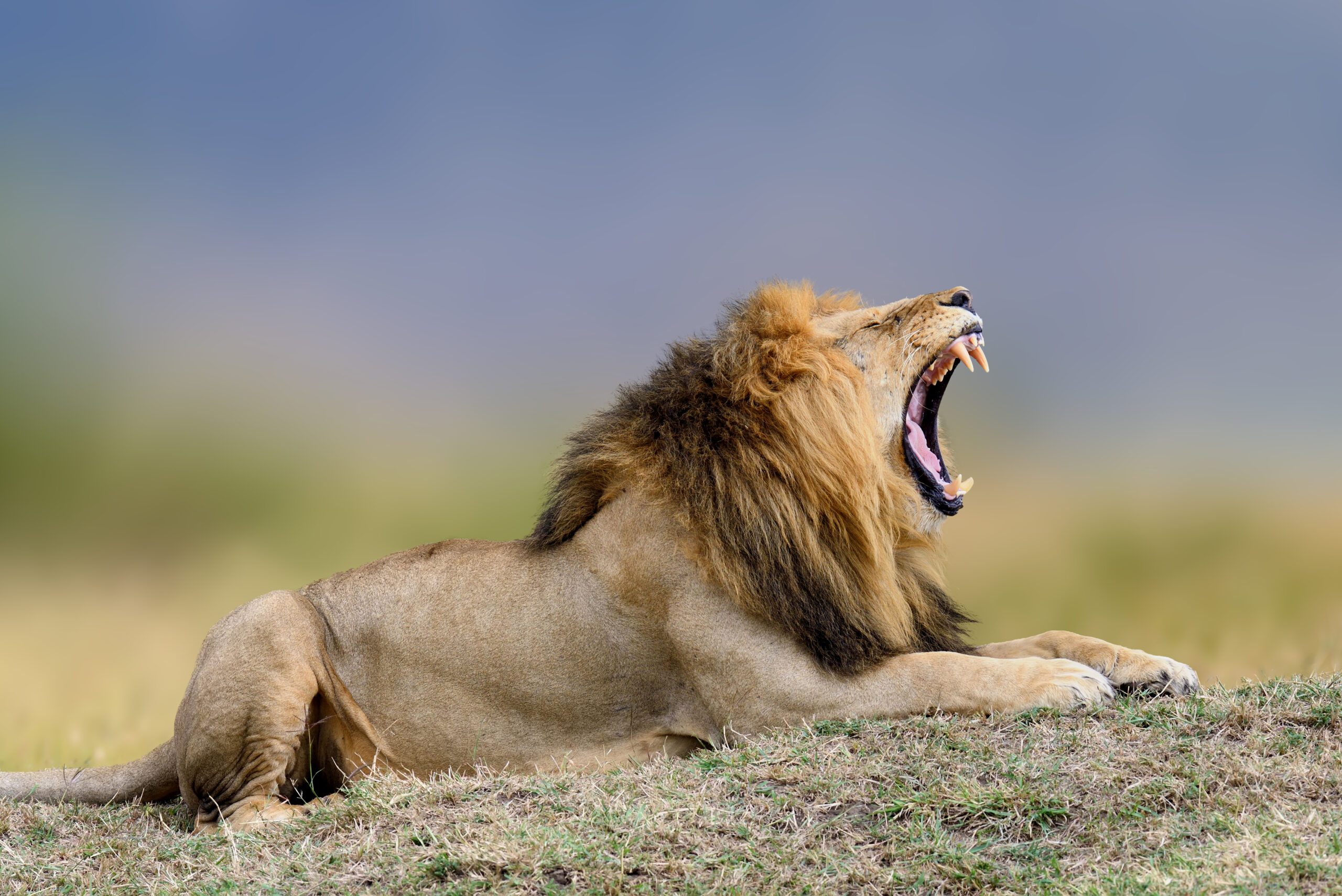
A lion raising its head suddenly may indicate discomfort nearby. Meanwhile, elephants changing direction often reveal stress or caution within the herd. Even birds reacting unexpectedly can signal hidden predators or environmental changes across the savannah.
Because experienced guides understand these signs immediately, they know when to wait patiently and when to move away carefully. This balance protects wildlife while also improving the guest experience dramatically.
Responsible Tourism Supports Conservation Efforts
Ethical safari practices play a major role in wildlife conservation across East Africa. Every respectful safari encounter helps preserve natural ecosystems for future generations.
Poor safari behavior can interrupt hunting patterns, increase animal stress, and negatively affect natural wildlife movement. On the other hand, responsible tourism creates sustainable long-term benefits for conservation areas, local communities, and safari operators alike.
Tanzania depends heavily on conservation-driven tourism. Therefore, professional guiding standards directly influence the future protection of national parks and wildlife habitats throughout the region.
Safari travelers increasingly seek environmentally responsible experiences as well. Consequently, ethical safari companies now attract visitors who value conservation alongside adventure and luxury travel.

Responsible Safari Guiding: Authentic Wildlife Encounters Feel More Meaningful
Interestingly, the best safari moments often happen naturally without forcing interactions. Quiet observation frequently creates stronger emotional connections between travelers and wildlife.
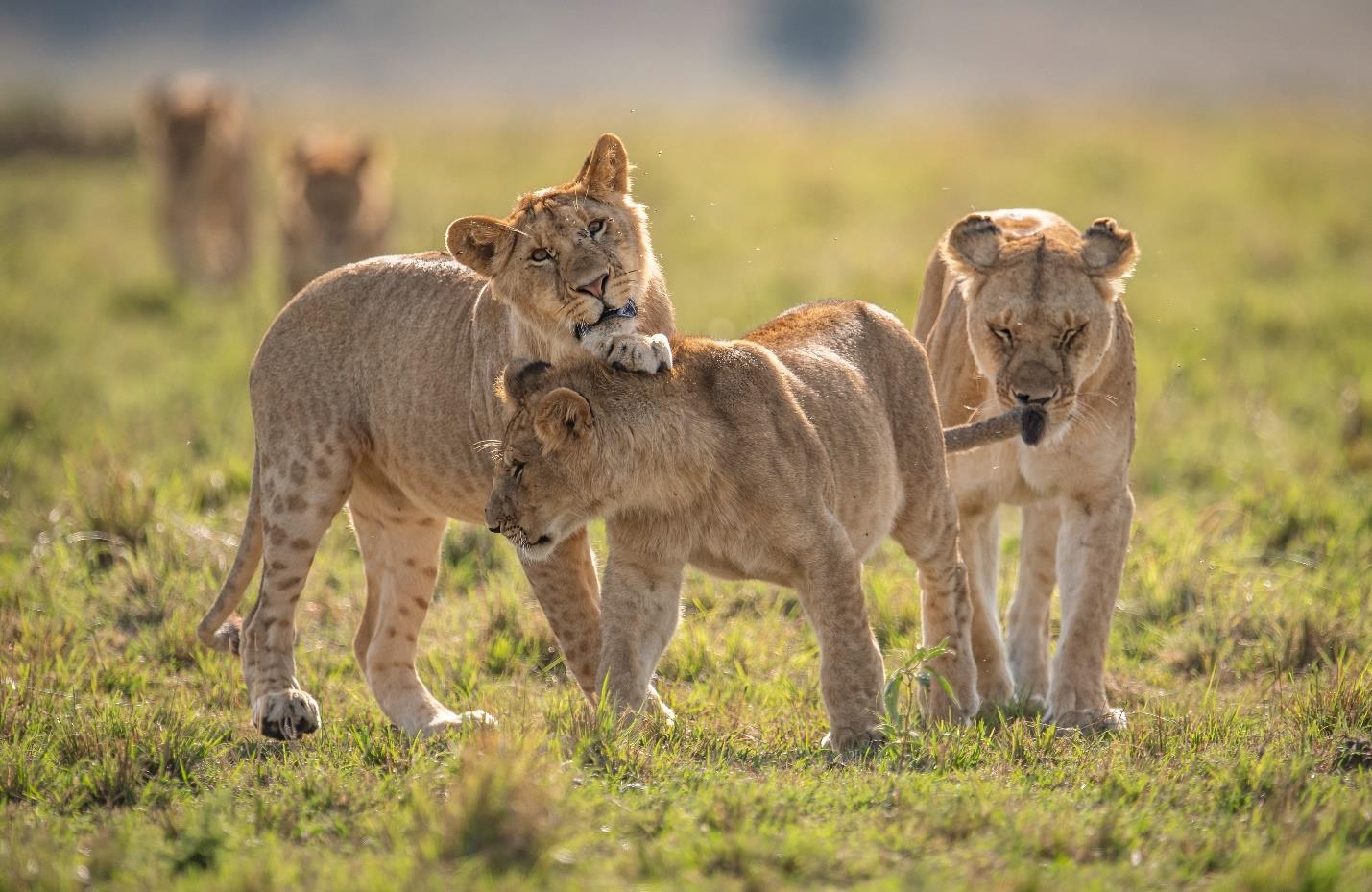
Guests who witness undisturbed animal behavior experience something genuinely rare. A leopard relaxing peacefully in a tree or a herd of giraffes moving silently across the plains feels far more powerful when the scene unfolds naturally.
Responsible guides understand this difference clearly. Rather than chasing dramatic moments constantly, they focus on patience, timing, and respect for the natural environment.
Because of this approach, travelers leave with richer memories and deeper appreciation for African wildlife.
Professional Safari Guides Represent the Wilderness
Safari guides do far more than drive vehicles through national parks. They also serve as educators, conservation ambassadors, safety experts, and protectors of the natural world.
Strong guiding requires patience, environmental knowledge, communication skills, and deep respect for wildlife behavior. Additionally, professional guides must balance guest expectations with ethical tourism principles every single day.
The best safari guides understand that true expertise does not come from getting closest to wildlife. Instead, real professionalism comes from creating extraordinary experiences while protecting the environment completely.
Our Luxury Safari programs




Responsible Safari Guiding: Ethical Safaris Create a Better Future for African Tourism
Responsible safari tourism continues shaping the future of wildlife conservation across Tanzania and East Africa. Travelers now recognize the importance of sustainable experiences that respect animals and preserve fragile ecosystems.
Safari companies that prioritize ethical guiding help protect biodiversity while delivering authentic adventures travelers genuinely remember. Furthermore, conservation-focused tourism creates long-term value for local communities and protected areas throughout the region.
Ultimately, the greatest safari experiences leave lasting memories without leaving negative impact behind.
That philosophy defines truly responsible safari travel.