Kilimanjaro Treks
Ascending Mount Kilimanjaro remains one of the most rewarding physical challenges on the planet. As the highest free-standing mountain in the world, this Tanzanian giant attracts thousands of trekkers every year. Because the climb requires no technical mountaineering skills, many people mistakenly assume the journey is easy. However, Mount Kilimanjaro Treks require considerable physical training and mental resilience.
Mount Kilimanjaro Treks: Choosing Your Path
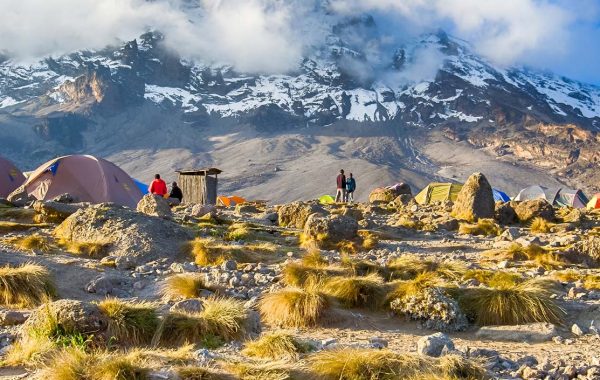
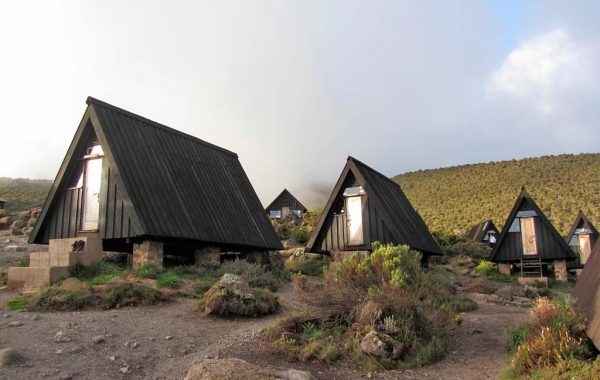
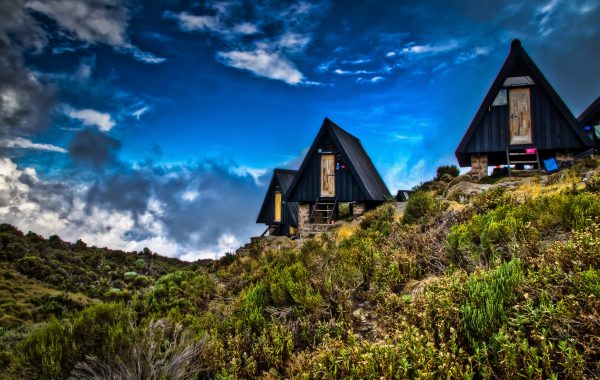
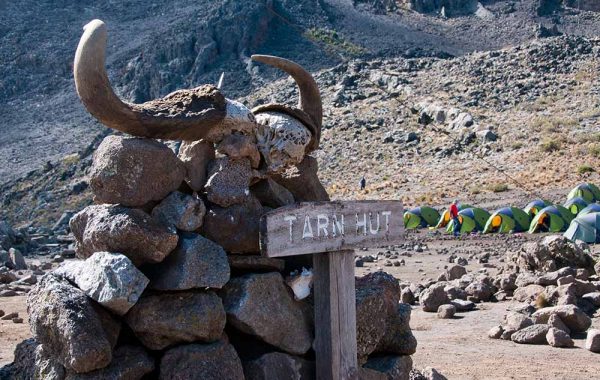
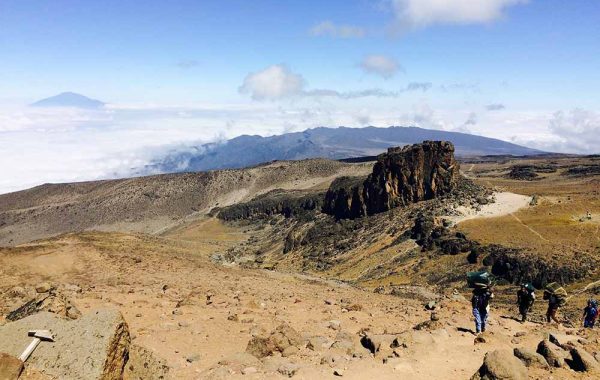
First and foremost, you must select one of the seven main routes to the summit. Each path offers a distinct perspective of the mountain’s diverse ecosystems. For instance, the Marangu Route provides dormitory-style huts for sleeping, which appeals to those who prefer a solid roof over a tent. Conversely, the Machame Route offers steeper climbs and more scenic vistas, making it a favorite for adventurous hikers.
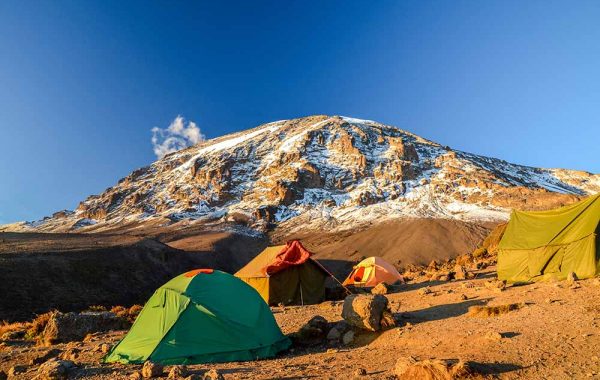
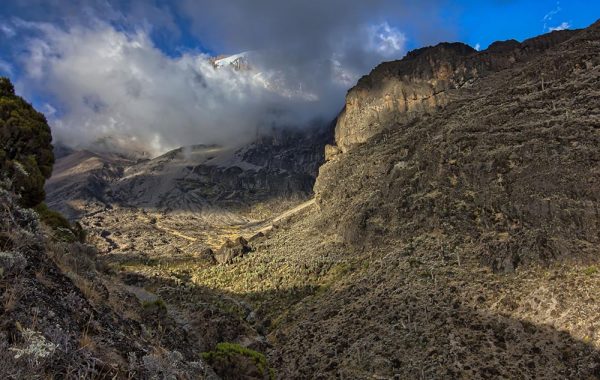
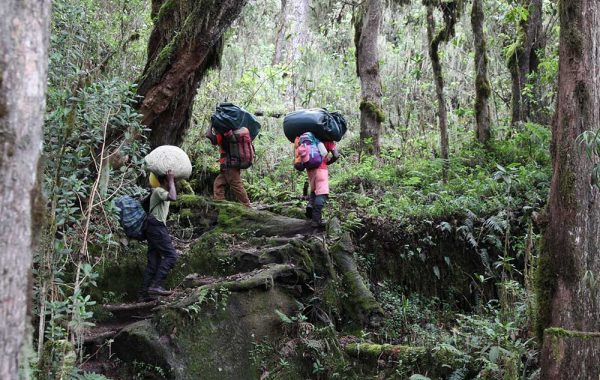
If you seek a quieter experience, you might consider the Lemosho or Northern Circuit routes. These longer trails allow for better altitude acclimatization and boast much higher success rates. Furthermore, these paths lead you through five distinct climate zones, ranging from lush tropical rainforests to the desolate, icy arctic zone at the peak.
The Importance of Acclimatization
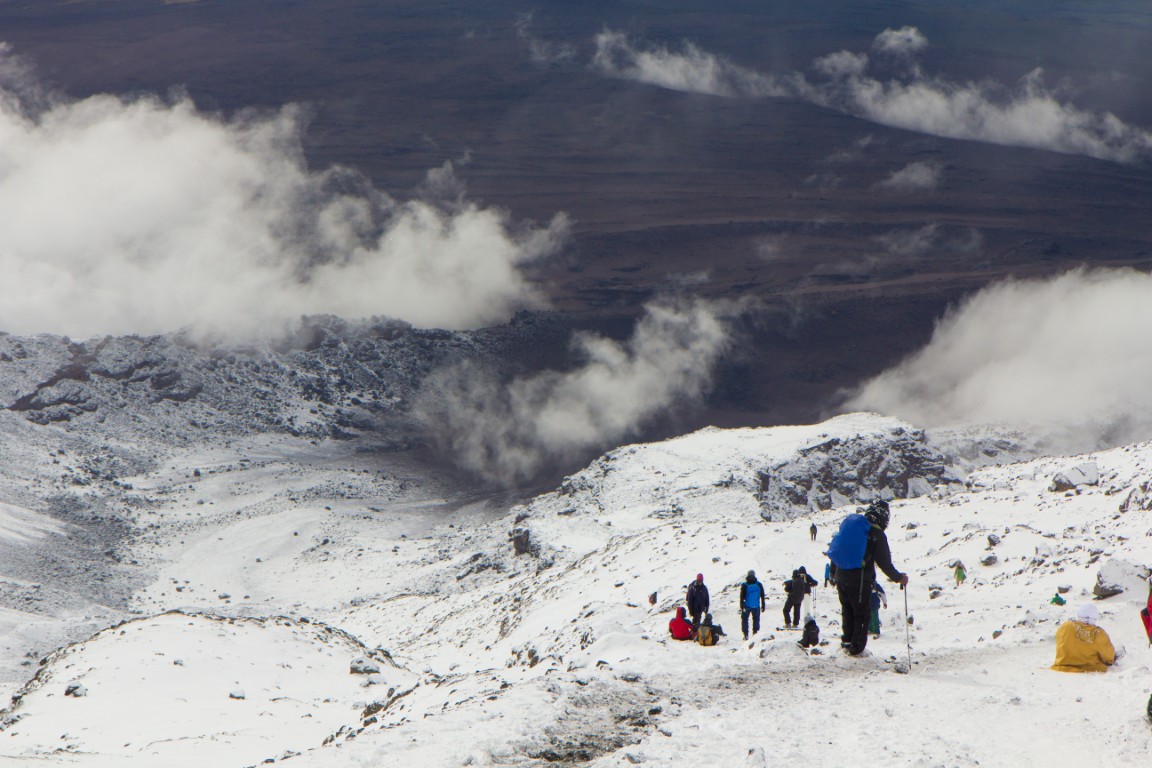
During the trek, your body must adapt to decreasing oxygen levels. Most guides advocate for the “pole pole” philosophy, which means “slowly, slowly” in Swahili. By maintaining a gradual pace, you give your heart and lungs time to adjust. Additionally, many routes follow the “climb high, sleep low” principle. This strategy involves hiking to a higher elevation during the day and descending to a lower camp for the night, which effectively triggers the production of more red blood cells.
Mount Kilimanjaro Treks: The Final Ascent
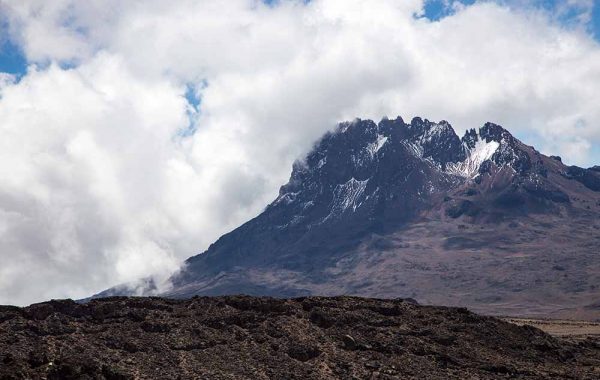
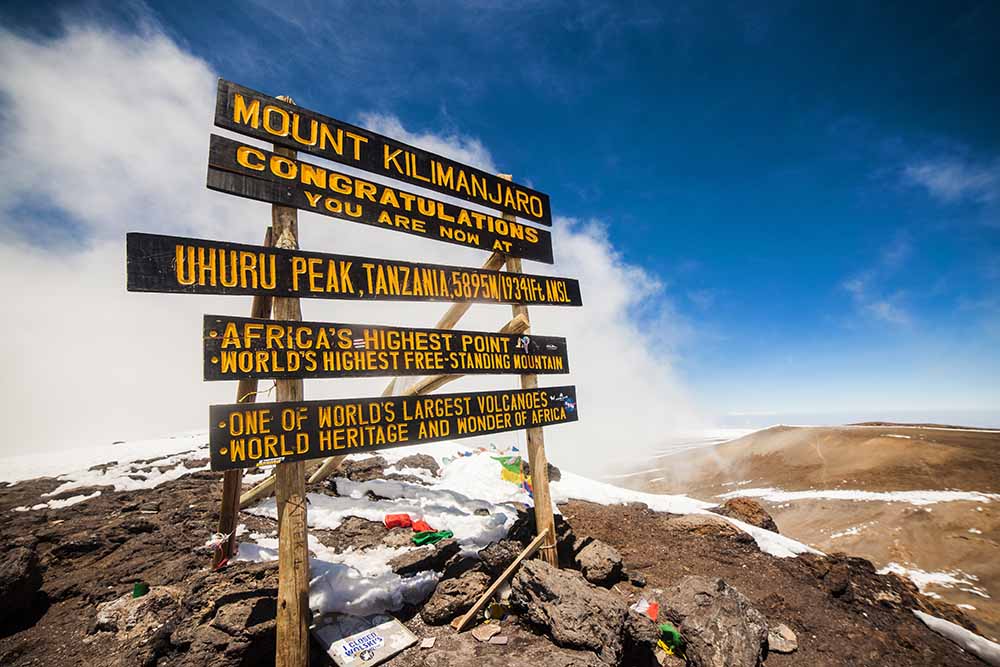
Eventually, you will reach the grueling summit night. Most groups begin their final push around midnight to reach Uhuru Peak by sunrise. This section tests your endurance to the limit as you battle freezing temperatures and thinning air. Nevertheless, the sight of the sun rising over the African plains provides an unparalleled sense of triumph. You will stand at 5,895 meters, looking down at the glaciers that crown the “Roof of Africa.”
Preparation and Safety
Undoubtedly, waterproof layers, broken-in trekking boots, and a warm sleeping bag remain non-negotiable items. Our local experts monitor your oxygen levels daily and carry emergency medical supplies. Ultimately, a successful Kilimanjaro trek relies on a combination of respect for the mountain, proper pacing, and a positive mindset.